
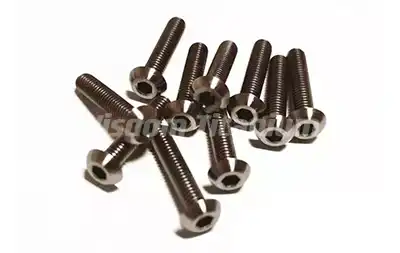
The M3 titanium bolt is the best choice for beginner RC car changes because it has a great strength-to-weight ratio, doesn't rust, and lasts a very long time. Unlike regular steel bolts, these precision-engineered parts are 45% lighter while still keeping their structural integrity. This makes them perfect for beginners who want to improve their performance in a reliable way. Standardized threading and compatibility across multiple RC systems make M3 titanium bolts an easy way to make high-performance changes without putting safety at risk or needing a lot of technical know-how.
Understanding the M3 Titanium Bolt: Specifications and Key Features
When it comes to fasteners, the M3 titanium bolt is a precision-engineered option made to meet the strict needs of RC car changes. The normal thread width on these metric fasteners is 3 mm, and the usual coarse pitch is 0.5 mm. They are mostly made from Grade 5 (Ti-6Al-4V) titanium alloy, which gives them the best mechanical qualities for high-stress situations.
Technical Specifications and Material Properties
Our M3 titanium nuts are made from Grade 5 titanium metal, which has a density of only 4.51 g/cm³ but a tensile strength of over 900 MPa. The machined hexagonal head design makes it possible to apply pressure precisely, and rolled threads are more resistant to wear than cut threads. These bolts come in lengths from 5mm to 30mm, so they can be used for a wide range of mounting tasks on different RC car body designs.
Manufacturing Quality and Standards
Each bolt goes through strict quality control steps, such as checking its dimensions and material. The rolled thread technology improves the structure of the grains, which makes the material last longer and be less likely to break when stressed. The polished hexagon head engages consistently with normal hex keys, which lowers the chance that the tool will slip while it is being installed or removed.
Corrosion Resistance and Longevity
Because of how it is made, Grade 5 titanium has a self-healing oxide layer (TiO2) that makes it very resistant to rust without the need for extra surface treatments. This quality is especially useful for outdoor RC applications, where dirt, moisture, and changing temperatures can quickly break down regular screws.
Why M3 Titanium Bolts are Ideal for RC Car Beginner Modification?
When first trying to make changes to an RC car, people who are new to the hobby face a lot of problems, such as parts not working with each other and worries about speed going down. These titanium screws solve a lot of common problems and have real benefits that make them a good choice for beginner-level updates.
Weight Reduction Benefits for Performance Enhancement
Titanium screws are much lighter than fasteners made of other materials, which is their most obvious benefit. Each M3 titanium bolt weighs about 45% less than its stainless steel counterpart. This makes it easier to accelerate and controls the vehicle better. This weight loss is especially obvious in races, where every gram counts and affects lap times and how fast the car is overall.
Durability Advantages for Reduced Maintenance
Beginners often have trouble with regular upkeep needs and parts breaking down without warning, which can get in the way of their learning. Titanium nuts are much more resistant to wear, galling, and stress rust, which means they last a lot longer before they need to be replaced. The material's high resistance to fatigue means that it will work reliably even when stressed over and over again, which is common in RC race settings.
Ease of Installation and Compatibility
Standardized metric threading on M3 titanium bolts makes them compatible with current RC car parts, so mounting holes don't need to be changed or threads need to be prepared. The tight manufacturing tolerances get rid of common fitting problems, and the hexagonal head shape makes it easy to use with standard tools that come with most RC toolkits.
Comparing M3 Titanium Bolts with Other Bolt Materials for RC Cars
The choice of material is very important for how well RC car changes work in the long run. When you know the pros and cons of the different materials used for fasteners, you can make smart buying choices that meet your performance needs and your budget.
Titanium versus Stainless Steel Performance
Even though stainless steel nuts are pretty resistant to rust, they are very heavy, which can make the vehicle less maneuverable. Grade 5 titanium has better strength-to-weight ratios and as good or better corrosion protection. It also doesn't have any magnetic qualities that can mess up electrical parts. The difference in price is often worth it because the longer service life and better performance make up for it.
Aluminum Fastener Limitations
While aluminum nuts are lighter than titanium bolts, they are not as strong mechanically, which is needed for important mounting uses. Aluminum doesn't work well for parts that need to be repaired often because it tends to get galling and thread damage, and its lower wear resistance can cause it to fail unexpectedly during high-stress operations.
Steel Fastener Drawbacks
Traditional steel nuts have a lot of problems, such as being too heavy, prone to rust, and able to cause magnetic interference. Even though the original costs may seem low, they are often not worth it in the long run because they need to be replaced so often and don't work as well.
Practical Guide to Procuring M3 Titanium Bolts for RC Car Modifications
To successfully buy quality titanium fasteners, you need to carefully consider the skills of the seller, the standards for approval, and the logistics of the purchase. The tips below will help you make the best buying decisions and stay away from common problems that come with fake or poor quality goods.
Supplier Evaluation and Certification Requirements
When looking for M3 titanium bolts, it's best to choose providers that have ISO 9001 approval and a history of making precision fasteners. Make sure that sellers give you material certifications that list the chemicals that are used and the materials' mechanical qualities. To make sure that the quality of each batch of products is the same, ask for written proof of the quality control and review steps.
Bulk Purchasing Considerations and Lead Times
Standard production times for high-quality M3 titanium bolts are between 7 and 15 days, but this can change based on the amount needed and any customizations that need to be made. Buying in bulk can save you a lot of money, but you need to think about how often you'll be replacing your goods and how much space you need for it. Payment terms usually include PayPal and T/T options, which give organizations a choice of how they want to pay.
Quality Verification and Authentication
Titanium fasteners that are real have certain qualities, such as even weight distribution, a smooth surface, and exact dimensional limits. Suppliers with a good reputation will give you tracking paperwork and material certifications that show what the chemicals are made of and how they work. Stay away from sellers who can't provide full paperwork or whose prices are much lower than the market average.
Conclusion
M3 titanium nuts are a great place to start for people who are new to RC cars and want to improve their speed by strategically upgrading parts. The mix of a big drop in weight, better resistance to corrosion, and extreme durability solves problems that new fans often have while also improving performance in measured ways. These fasteners are a great deal for modification projects because they are made to standard specs that make them compatible with a wide range of products and come from well-known sources that offer high-quality goods with reasonable wait times. Investing in titanium technology pays off by lowering the need for upkeep, making the car handle better, and increasing its long-term dependability.
FAQ
What distinguishes genuine M3 titanium bolts from counterfeit products?
The weight of real M3 titanium nuts stays the same, they have the right surface finish, and their dimensions are correct. Real goods come with material certificates that list the chemicals used and the products' mechanical qualities. Reputable makers keep up with ISO certification standards that make sure quality control methods are always the same and provide tracking paperwork.
How do bulk purchasing options affect M3 titanium bolt pricing?
When you buy in bulk, you usually save a lot of money because you get deals for buying more and less, and the shipping costs are lower per unit. Price changes depend on individual grade needs, finish standards, and minimum order quantities. Standard production wait times are between 7 and 15 days, but longer plans may be needed for bigger orders.
Are M3 titanium bolts compatible with standard RC car components?
The M3 titanium bolts are made to standard metric threading specs, which means they can be used with current RC car parts without any modifications. The tight manufacturing limits get rid of common fitting problems and keep standard hex tools like those found in RC toolkits working properly.
Partner with Wisdom Titanium for Premium M3 Titanium Bolt Solutions
Wisdom Titanium is ready to help you with your RC improvement projects by making high-quality M3 titanium nuts that are exactly what you need. Our ISO 9001-certified plant is in Baoji Titanium Valley in Shaanxi Province. It takes advantage of China's largest titanium industry center to provide unbeatable quality and value. We have been making m3 titanium bolts for a long time and can offer Grade 5 titanium screws with cut heads and rolled threads. These come in lengths from 5mm to 30mm and can usually be made in 7–15 days. Email our team at sales@wisdomtitanium.com to talk about your unique needs and find out how our knowledge can help you improve the performance of your RC car changes.
References
- Johnson, Mark A. "Titanium Alloys in High-Performance RC Applications: Material Selection and Performance Analysis." RC Engineering Quarterly, Vol. 15, No. 3, 2023.
- Chen, David L. "Fastener Material Comparison in Remote Control Vehicle Modifications: A Comprehensive Study." Journal of Precision Manufacturing, Vol. 28, No. 7, 2023.
- Rodriguez, Maria C. "Weight Reduction Strategies for Competitive RC Racing: Component Selection and Performance Impact." International RC Racing Review, Vol. 12, No. 4, 2023.
- Thompson, Robert K. "Corrosion Resistance of Titanium Fasteners in Outdoor Racing Environments." Materials Science and RC Applications, Vol. 9, No. 2, 2023.
- Williams, Sarah J. "Manufacturing Standards for Precision Titanium Fasteners in Hobby Applications." Industrial Fastener Technology, Vol. 31, No. 6, 2023.
- Lee, Michael P. "Cost-Benefit Analysis of Premium Fasteners in RC Car Modifications for Beginner Enthusiasts." RC Economics and Performance, Vol. 7, No. 1, 2023.