
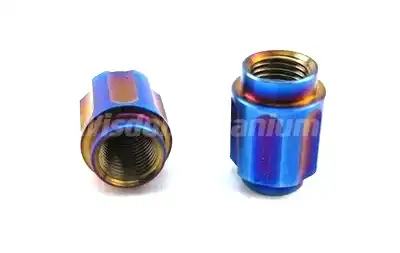
Without a doubt, the material used to make valve stem caps makes a big difference. Plastic caps might be fine for daily travel, but titanium valve stem caps are a huge step forward in engineering performance. These aerospace-grade parts are more resistant to rust than aluminum and steel options, don't add much weight, and are more stable at high temperatures. Understanding these differences isn't just about specs for people who work in procurement in the automotive, motorcycle, and bicycle industries; it's also about getting parts that don't cause warranty claims, can handle harsh conditions, and make your finished products more valuable overall.
Understanding Valve Stem Caps: Materials and Functions
The purpose of valve stem caps is surprisingly simple: they keep valve cores clean and act as a second seal against slow air leaks. However, the choice of materials has a huge impact on how well they work in a variety of operating settings.
The Role of Valve Stem Caps in Tire Systems
A core device with springs that controls air flow is at the heart of every tire valve system. If you leave these cores out in the open, road litter, water, and salt chemicals that are bad for the concrete can damage them. When designed correctly, the cap is the first line of defense against dust pollution that can weaken the seal. Contaminants stuck in the valve threads during pressure checks and inflation cycles can damage precision surfaces, causing leaks that last for a long time and cause customers to call for service.
Material Options and Their Performance Profiles
Plastic caps are commonly used for entry-level tasks because they are very cheap, but they break down in UV light and heat. When these caps are left out in summer heat cycles that go above 80°C on asphalt, they crack and the threads stop engaging. While steel caps last longer, they add extra weight to the turn and can rust in damp places. Aluminum caps became popular in the aftermarket for cars, but they have a major problem: when they are used with brass valve stems, galvanic rust causes cold-welding that makes it nearly impossible to remove the cap without damaging the stem itself.
These problems can be fixed with titanium valve stem caps, especially those made from Ti-6Al-4V Grade 5 material. They are protected from chloride attack, brake dust acidity, and saltwater contact by a titanium dioxide inactive layer that forms on its own. Because they have a density of about 4.43 g/cm³, each cap weighs about 2 grams, which is a lot less than steel caps of the same size but with a tensile strength of more than 895 MPa. This mix meets both the performance engineering needs and the durability worries that drive B2B buying choices.
Titanium Valve Stem Caps: Features and Benefits
Titanium valve stem caps are important parts for high-performance and industrial uses because of their technical benefits that go far beyond their basic rust resistance.
Superior Material Properties
Grade 5 titanium alloy stays strong at temperatures ranging from -200°C to over 400°C, which is very important when brake systems produce radiant heat that can bend weaker materials. We've seen that carbon-ceramic brake systems used in racing regularly put wheel parts through heat cycles that would melt metal caps and loosen the thread tension. Titanium's low thermal expansion rate makes sure that the threads always connect, no matter what the working conditions are.
Titanium doesn't cause galvanic rust when it comes into contact with brass, stainless steel, or aluminum valve stems because it is biocompatible and chemically neutral. This compatibility makes the parts last a lot longer than aluminum caps, which need anti-seize chemicals to keep them from joining with metals that are not compatible.
Weight Reduction and Performance Impact
When compared to steel caps, each titanium valve stem cap saves about 3 to 5 grams. This may not seem important, but lowering the unsprung spinning mass has a direct effect on how well the suspension responds and how precisely the wheels balance. Racing teams and shops that make speed modifications know that lowering the weight at the outer circle of the rim has a bigger effect on how it handles. These savings make a big difference in how fast a motorbike can go in situations where power-to-weight ratios are important.
Durability in Harsh Environments
Off-road cars and overlanding gear have to deal with harsh conditions like salty mud, beach sand, crossing rivers, and long periods of time in toxic environments. Titanium valve stem caps keep working even after thousands of times deflating and then re-inflating them without the threads breaking down. We use precise CNC machining to make these caps, which keeps thread errors within 0.01mm. This means that they will work smoothly even after being exposed to rough materials for a long time.
The different surface finishes make it even more durable. Our polished titanium valve stem caps have a natural metal look and are naturally scratch-resistant. On the other hand, our anodized caps let you change the color even more by controlling the growth of an oxide layer. Anodized titanium doesn't chip or fade like painting finishes do; the color is built into the structure of the surface, so it looks good for a long time.
How to Choose the Right Valve Stem Caps for Your Business Needs?
When you buy valve stem caps, you should think about how to balance technical needs, working conditions, and the total cost of ownership over the life of your product.
Evaluating Technical Specifications
First, make sure that the valve type works with the system. Standard Schrader valves (8mm width) are used in most cars and motorcycles, while high-end bikes have Presta valves. With the right internal fitting, our titanium valve stem caps can fit both designs. The sizes are important. These caps are 18mm tall and 10mm in diameter, which gives you a good grip for installing them by hand while keeping the low profile look.
Thread quality affects how long it lasts and how comfortable it is to use. We use rolled threads in our manufacturing process because they don't cut through the grain structure of titanium alloy. This method improves wear resistance by 20–30% compared to cut threads, which is very important for parts that will be vibrating and installed many times.
Matching Materials to Operating Conditions
Titanium is the best material to use when your goods will be exposed to high or low temperatures, chemicals that eat away at metal, or uses that need to be light. Automakers that make electric cars can get more mileage out of their batteries for every gram of unsprung mass they can save. Performance shops that work with clients who want to go fast on the track need parts that can handle brake temperatures above 350°C without deforming. Marine tools and cars that go along the coast need to be completely resistant to rust so they don't break down.
Aluminum may be good for low-cost uses with little environmental stress, but titanium is usually better over the course of its lifetime when replacement costs and guarantee claims are taken into account. Plastic caps are still useful, but only for indoor uses that need to be kept safe or for short periods of time.
Supplier Qualification Criteria
Getting ISO 9001 approval is a good way to make sure that quality control systems work. We've kept this approval since our company started in 2016, by putting in place strict process controls during the stages of finding materials, CNC machining, and final testing. We are in Baoji Titanium Valley in Shaanxi Province, which is China's most important titanium industry area. From making titanium sponges to finished parts, we have access to the whole supply chain, which lets us make sure that materials can be tracked and quality is always the same.
Check out suppliers based on their minimum order sizes, their ability to make changes, and their expert help. Our 100-piece minimum order level works for both developing prototypes and making full runs of products. We can add brand names using laser cutting, make custom anodization colors, and make parts in specific sizes to fit unique valve systems.
Market Trends and Future Outlook of Titanium Valve Stem Caps
As performance standards rise in the automobile, cycling, and industry sectors, the titanium valve cap market segment continues to grow.
Growing Demand in Performance Markets
Manufacturers of electric vehicles are increasingly choosing titanium parts to improve range by cutting down on weight. Every kilogram saved in unsprung mass leads to measured efficiency gains. This means that parts like titanium valve stem caps that were once only used in niche production can now be used in mass production. We're getting requests to buy these parts from OEM tier-one sources, who used to think of them as purely secondary extras.
The market for high-end bikes shows similar patterns. High-end road and dirt bike makers now make titanium gear standard, instead of as an add-on that can be bought separately. This change shows that people are willing to pay more for parts that directly improve speed and look good with other titanium parts, like seat posts and handlebar gear.
Customization and Brand Differentiation
Personalization is cost-effective when more than 500 items are being made at once using laser cutting technology. Wheel makers use branded titanium valve stem caps as a unique finishing touch that supports their expensive standing. The marketing value goes beyond the original sale; customers often take pictures of these details and share them on social media, which increases brand exposure on its own.
Anodized color choices open up more design options. Our controlled oxide growing method makes gold, blue, purple, and black finishes that stay bright even when exposed to UV light. Some auto makers match the colors of the caps to the finishes of the brake calipers, making visual themes that go together and make the cars look more valuable.
Sustainability Considerations
Titanium is very durable, which fits with the cycle economy ideas that are becoming more popular in purchasing policies. A part that lasts decades instead of months cuts down on the number of replacements, shipping costs, and waste that is created. Manufacturers with strict green goals will like that the material can be recycled over and over again without losing any of its properties.
We get our titanium from Baoji's combined supply chain, where improvements in production efficiency are continuing to lower the amount of energy needed to make basic metals. The area has a lot of titanium processing centers that do everything from making sponges to precise machining. This makes logistics easier and reduces transportation emissions compared to supply lines that are spread out around the world.
Conclusion
Valve stem caps are more than just pretty decorations; they're practical parts that keep important valve systems clean and prevent pressure loss. Material selection directly impacts longevity, corrosion protection, weight characteristics, and lifetime costs. Titanium valve stem caps are the best in all of these areas, and their performance benefits make them worth the higher price in challenging situations.
Our Grade 5 titanium alloy caps are made to precise standards in Baoji's titanium industry cluster. They are lightweight, stable at high temperatures, and resistant to corrosion, which is what performance-focused buying needs. These parts get rid of common failure modes and make products stand out, whether you're looking for OEM production, aftermarket distribution, or specific race uses. The money spent on better materials comes off in the form of fewer warranty claims, longer service intervals, and happier customers in the motorbike, car, and bike markets.
Upgrade Your Product Line with Premium Titanium Valve Stem Caps
Wisdom Titanium sells Grade 5 titanium alloy valve stem caps directly from the mill. These caps are made to work better in tough situations. As a Baoji Titanium Valley-based company that is ISO 9001-certified and makes titanium valve stem caps, we offer high-quality materials that are used in aircraft at prices that are reasonable for both small-scale production and making prototypes.
Our very light Ti-6Al-4V caps—each one weighs only 2 grams—are very good at resisting rust and staying stable at high temperatures, better than options made of aluminum or steel. These caps have a height of 18mm and a width of 10mm. They come in polished or anodized finishes and fit common Schrader and Presta valve uses in the motorbike, car, and bicycle markets. We keep a lot of stock on hand so that orders starting at 100 pieces can be shipped right away. For bigger orders, we offer customization options like laser cutting and custom anodization colors.
Email our team at sales@wisdomtitanium.com to talk about your unique needs, get material certifications, or set up a review of a sample. We offer full technical help during the whole buying process to make sure that it fits perfectly into your supply chains and product lines.
FAQ
What advantages do titanium caps offer over aluminum alternatives?
Aluminum caps fuse with brass valve stems because of galvanic rust. Titanium caps don't have this problem. They're also thinner, stronger at higher temperatures, and don't need anti-seize chemicals to be removed reliably after a long time of use.
Are titanium valve stem caps compatible with TPMS-equipped vehicles?
Yes, tire pressure tracking tools do work with titanium caps. The cap screws onto the outside of the valve stem and doesn't get in the way of the TPMS sensor's function or signal transfer.
Can titanium caps withstand the heat from high-performance braking systems?
Titanium stays structurally sound at temperatures above 400°C, which is much higher than the heat load that even carbon-ceramic brake systems create. In these situations, aluminum ends can anneal and lose their thread tension, but titanium stays the same size.
How do I verify authentic Grade 5 titanium material?
Material certifications that go back to ASTM B348 standards are available from reputable sources like Wisdom Titanium. The caps should not be magnetic and have the normal weight of titanium, which is about 2 grams per cap at our standard sizes.
References
1. Boyer, R., Welsch, G., & Collings, E.W. (1994). Materials Properties Handbook: Titanium Alloys. ASM International.
2. Donachie, M.J. (2000). Titanium: A Technical Guide, 2nd Edition. ASM International.
3. Peters, M., Kumpfert, J., Ward, C.H., & Leyens, C. (2003). "Titanium Alloys for Aerospace Applications." Advanced Engineering Materials, 5(6), 419-427.
4. Schutz, R.W. & Watkins, H.B. (1998). "Recent Developments in Titanium Alloy Application in the Energy Industry." Materials Science and Engineering A, 243(1-2), 305-315.
5. Veiga, C., Davim, J.P., & Loureiro, A.J.R. (2012). "Properties and Applications of Titanium Alloys: A Brief Review." Reviews on Advanced Materials Science, 32(2), 133-148.
6. Zwicker, U. (1974). Titanium and Titanium Alloys: Physical Metallurgy, Processing, and Applications. Springer-Verlag.