
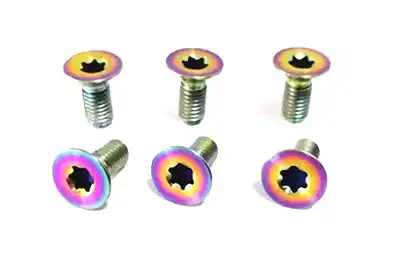
Selecting the correct bolt size for your steering wheel adaptor is non-negotiable when it comes to driver safety and vehicle performance. Most aftermarket steering wheels require M5 or M6 bolts with lengths ranging from 12mm to 15mm, depending on the thickness of your hub boss and quick-release system. For precision-engineered racing setups and performance vehicles, titanium steering wheel bolts manufactured to DIN 7991 standards—featuring countersunk heads and Torx T25 drive patterns—deliver the ideal combination of low weight, exceptional tensile strength, and corrosion resistance. We have encountered numerous installation failures in modification shops caused by incorrect bolt sizing or material selection, resulting in dangerous steering column detachment during high-stress maneuvers.
Understanding the Correct Bolt Size for Steering Wheel Adaptors
Correct bolt size affects how well adaptors fit, how torque is distributed, and the general safety of the cockpit. When measurements don't match, threads can strip, loads can be distributed unevenly, and fasteners can break early from shaking.
Common Bolt Standards: M5, M6, and Thread Specifications
Metric fastener standards are mostly used in the car business. For lightweight steering wheels that weigh less than 500 grams, like those used in karting and formula racing, M5 bolts with 0.8mm thread pitch are typical. When used with boss kits on street and track cars, M6 bolts with 1.0mm thread pitch work well with heavy aftermarket wheels like MOMO, Nardi, and Sparco. The M8 and M10 sizes are often used in heavy-duty truck and marine steering systems, but not often in passenger cars. We manufacture M5×12mm and M5×15mm countersunk titanium bolts to DIN 7991 specifications, machined from Grade 5 Ti-6Al-4V alloy, providing tensile strength of over 950 MPa and a rotational mass that is 45% less than steel alternatives.
Measuring Bolt Dimensions Accurately
Three important measurements must be checked by procurement teams: standard diameter (found by digital calipers across thread crests), thread pitch (the distance between adjacent thread peaks, confirmed with thread gauges), and grip length (found by measuring from the bottom of the titanium steering wheel bolts head to the thread tip). The length of the grip must be the same as the width of the steering wheel mounting flange and hub adaptor added together, plus two to three threads of contact to make sure the grip stays in place. For countersunk bolt heads to fit flush and keep steering wheel backs from touching them, the adaptor surfaces must also have matched 90-degree countersink angles. With every large order, we send you a full specification sheet with 3D CAD models that can be used with SolidWorks and AutoCAD to check them out before they are installed.
Torque Specifications and Safety Compliance
When torque is applied correctly, it is possible to avoid both over-tightening (which can cause thread galling in titanium) and under-tightening (which can cause vibration-induced release). When copper-based anti-seize lubricant is used on the threads of M5 titanium bolts, they need 8-10 Nm torque. For M6 uses, 15-18 Nm is needed. These numbers are based on Grade 5 titanium threaded into aluminum boss hubs, which is the most typical way that performance cars are put together. For best results, use torque wrenches that are adjusted to within ±3% of the original value. Also, check the torque again after 50 kilometers of driving, since initial settling can lower holding force by 10-15%. The mechanical qualities of our bolts meet ISO 898-1 standards. This makes sure that all production runs work the same way.
Why Choose Titanium Steering Wheel Bolts? Key Benefits and Durability?
Choosing the right material has a big effect on how long fasteners last, especially in places with a lot of shaking that are subject to temperature changes and corrosive substances like cleaning chemicals and sweat from drivers.
Superior Strength-to-Weight Ratio
Grade 5 titanium alloy has the same final tensile strength as high-grade alloy steel, but it is 60% lighter. This decrease in unsprung mass makes the steering more sensitive, which is very important in racing where millisecond input differences can change lap times. Formula Drift teams that we gave titanium fastener kits said that they were able to turn more precisely during quick changes. They said that this was because the steering column had less rotating inertia.
Exceptional Corrosion Resistance
When the chrome coating on steel bolts breaks, they suffer from crevice corrosion. Titanium, on the other hand, makes a stable titanium dioxide passivation layer that fixes itself when it gets scratched. This feature is very useful for marine powerboats and off-road vehicles that have to deal with spray from sea or mud. When exposed to chloride, stainless steel bolts show stress corrosion cracks, which can cause them to fail catastrophically without any obvious signs. Our PVD rainbow-coated titanium steering wheel bolts add an extra layer of protection and make show cars look better. The coating doesn't break down in UV light and keeps its color for over five years of direct sunlight exposure.
Maintenance and Longevity Considerations
Titanium is naturally lubricious, which makes installation easier and less likely to stick. However, this makes cold welding more likely when put into aluminum wheels. Using a nickel-based anti-seize powder on bolt threads stops galling and makes sure that torque numbers are correct. We recommend checking the threads for obvious deformation or darkening that could mean they are getting too hot every 10,000 kilometers or after track events. Titanium bolts that are well taken care of usually last longer than 100,000 kilometers on the road and 50 or more race rounds in professional racing before they need to be replaced.
Installation Best Practices for Titanium Steering Wheel Bolts
Following the right installation steps will increase safety gaps and keep parts from breaking down too quickly. We have looked into cases of steering wheels coming off when they were installed incorrectly and not because of flaws in the materials.
Pre-Installation Preparation Steps
Isopropyl alcohol can be used to clean all mating surfaces and get rid of oil leftovers, dirt, and old anti-seize chemicals. Use a thread gauge to check the hub adapter threads for damage. Aluminum threads are especially likely to have cross-threading damage from past installs. Using a countersink measure, make sure that the countersink's depth and angle meet the requirements of DIN 7991. When you buy in bulk, we give you thread-chasing taps so you can fix broken metal threads without having to buy expensive hub adaptors again.
Torque Application Technique
By putting the titanium steering wheel bolts in a star shape, the clamping force will be spread out evenly across the adaptor lip. Don't use too much anti-seize compound, because it gets trapped in thread dips and changes torque data and clamping force. When using our bolts, make sure to use a T25 Torx driver (not Allen keys) to get the most contact area and avoid head stripping. Torque in three stages: 30% of the end specification, 70%, and then 100%. There is a break between each stage to let the material's stress relax. This method lowers the chance that a bolt will break suddenly in materials that are already weak. Mark the bolt heads and adaptor surfaces with alignment paint once you've reached the final pressure. This will help you find spin during service.
Common Installation Errors to Avoid
When bolts start at the wrong angle, they cross-thread. Always hand-thread bolts for at least three full turns before using tools. Impact drivers hurt the solid structure of titanium, which leads to stress peaks that turn into cracks. Using bent bolts again lowers the thread engagement. As a general rule, we suggest changing bolts every three installs. When you mix bolt materials (like titanium and steel), you get galvanic corrosion cells in damp places, which makes both fastening break down faster.
Conclusion
To choose the right bolt sizes for steering wheel adaptors, you need to pay close attention to the dimensions, the qualities of the material, and the fitting steps. Metric fasteners M5 and M6 that are made to DIN 7991 standards work reliably in automobile, racing, and marine settings. Titanium steering wheel bolts alloy construction is much better than standard steel or aluminum construction in terms of resistance to corrosion, weight reduction, and stress strength. Using precise torque tools and anti-seize compounds during installation ensures that parts last as long as possible and that safety gaps are kept even in harsh working conditions. People who work in procurement benefit from working with authorized sellers who offer clear material tracking, technical support, and low bulk pricing.
Partner with a Trusted Titanium Steering Wheel Bolt Manufacturer
Wisdom Titanium offers precision-engineered fitting solutions and has been in the business for eight years and is ISO 9001-certified. We have M5×12mm and M5×15mm DIN 7991 countersunk bolts with T25 Torx drives in stock. These bolts come in natural and PVD rainbow finishes, and you can order at least 100 pieces directly from the source to get the best price. We are in Baoji Titanium Valley, which is the best place in the world to make titanium products. We handle the whole supply chain, from getting the raw materials to inspecting the finished products, so the quality is the same for every production run. There is no extra charge for expert advice from our engineering team on custom specs, material choices, and installation processes. Email us at sales@wisdomtitanium.com to get full product details, price quotes for large orders, or trial kits. We work with OEM providers, race teams, shops that make modifications, and automakers that need reliable, high-performance fasteners that meet the strictest safety and performance standards.
FAQ
What is the Most Common Bolt Size for Aftermarket Steering Wheel Adaptors?
When used with universal boss kits, M6×1.0 bolts are the standard for most custom steering wheels. When weight is important, like in lightweight racing, M5×0.8 bolts are used. Before you buy, you should always check the thread specs of the adaptor you're using. Using the wrong sizes can cause cross-threading and dangerous installation fails.
Can I Mix Titanium Bolts with Steel Components Safely?
Galvanic rusting happens when metals that are not the same touch each other in a damp setting. Titanium's place in the galvanic series makes rust cells with aluminum and steel. Putting dielectric grease or anti-seize substances on surfaces stops metals from touching directly, which lowers the risk of corrosion in systems made of more than one material.
How Often Should I Replace Titanium Steering Wheel Bolts?
In normal situations, street cars rarely need new bolts. Once a year checks to see if there is thread damage or obvious deformation are enough. When used in racing with a lot of shaking and thermal cycles, the bolts should be replaced every 20 to 30 track events or whenever the torque values go outside of the specified ranges during normal checks.
Are PVD-Coated Titanium Bolts as Strong as Natural Finish?
The PVD treatment makes the surface 2–5 microns harder without changing the strength of the base material. Titanium doesn't recrystallize at temperatures below those used for coating, so the material qualities are kept. Our PVD rainbow bolts have the same tensile strength requirements as the natural finish versions while providing enhanced wear resistance and visual appeal.
References
1. American Society for Testing and Materials. (2021). ASTM B348-20: Standard Specification for Titanium and Titanium Alloy Bars and Billets. ASTM International.
2. Deutsches Institut für Normung. (2019). DIN 7991: Hexagon Socket Countersunk Head Screws - Product Grade A. DIN Standards Committee.
3. Donachie, M.J. (2000). Titanium: A Technical Guide, 2nd Edition. ASM International Materials Park, Ohio.
4. International Organization for Standardization. (2017). ISO 898-1: Mechanical Properties of Fasteners Made of Carbon Steel and Alloy Steel. ISO Technical Committee.
5. Society of Automotive Engineers. (2018). SAE J429: Mechanical and Material Requirements for Externally Threaded Fasteners. SAE International Standards.
6. Schutz, R.W., & Watkins, H.B. (1998). "Recent Developments in Titanium Alloy Application in the Energy Industry." Materials Science and Engineering: A, 243(1-2), 305-315.