
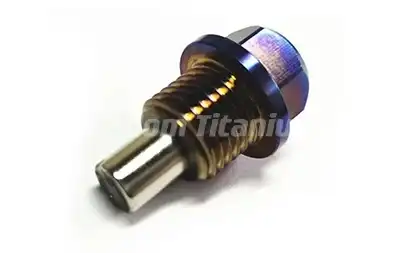
A titanium magnetic bolt's lifespan is vital when choosing screws for high-performance cars. A titanium bolt should last 10–20 years under typical use. It may take longer or shorter depending on the environment, mechanical stress, and cleaning routines. Regular steel fasteners corrode easily in severe conditions. Instead, titanium magnetic bolts retain their structural integrity and magnetic function longer. This makes them a good investment for manufacturers, modification companies, and racing teams looking to minimize weight without losing durability.
Understanding Titanium Magnetic Bolts and Their Lifespan
What Makes Titanium Magnetic Bolts Different?
Titanium magnetic bolts are a novel engineering innovation that uses titanium's excellent strength-to-weight ratio with built-in magnetic parts. These fasteners have M12, M14, M16, and M20 threads. This makes them suitable for most vehicle, motorbike, and specialty industrial applications. The titanium metal matrix is corrosion-resistant and mechanically efficient. Tool engagement and retention during assembly are straightforward with the built-in magnet.
Performance-oriented customers struggle to reconcile lightweight construction and durability. This special makeup fixes it. Classic metal magnetic bolts are powerful but rusty and heavier than new ones. Aluminum is lighter, but it lacks the tensile strength needed to attach brake pads and wheel hubs.
Core Properties Influencing Service Life
Three key elements determine how long specialized fasteners last. Titanium's self-healing oxide layer prevents water, road salt, and industrial pollutants from reaching the underlying material. Protection from corrosion is crucial. The equipment lasts longer than coated steel due to passive protection.
Mechanical stress resistance matters too. Car bolts vibrate, alter temperature, and load. High-quality titanium metals remain tensile after millions of stress cycles. This prevents fractures from expanding slowly, as conventional fasteners do.
Third, magnetic preservation matters. If maintained away from temperatures too high for their design, these bolts' magnets retain their field strength. Good production processes keep the magnetic portion inside the titanium body during the fastener's lifetime.
Factors Affecting the Lifespan of Titanium Magnetic Bolts
Environmental Conditions and Exposure
Titanium magnetic bolts mature differently depending on their environment. Salty coastal air, industrial air with chemicals, and harsh road de-icing solutions make things tough. Under these circumstances, titanium resists rust better than steel, although prolonged exposure to high pH or halogen chemicals can degrade the surface finish.
Think about extreme temperatures too. Hard brakes generate a lot of heat, which can cause magnetic materials to lose field power. Racing, when the brakes are repeatedly engaged, causes faster wear and tear than in ordinary driving.
Humidity and dampness near fasteners generate minor situations where chemicals challenge even non-corroding materials. Using the correct drainage system and monitoring it regularly helps reduce these issues, especially in underbody mounting where water and grime collect.
Mechanical Stress and Installation Practices
Incorrect fitting still causes all fasteners to break prematurely. Overtorqueing titanium nuts reduces yield strength. The joint weakens and loses vitality due to permanent deformity. Under-torquing causes part movement and fretting, which accelerates contact wear.
The fastener's crystalline structure wears from repeated stress during driving. Track-based high-performance systems undergo more stress than passenger automobiles. This implies replacing the bolts sooner, even if they're not damaged.
Thread engagement strength affects fastener load distribution. Damaged or filthy threads stress and shatter faster. Clean, lubricated, and fully engaged threads uniformly distribute stresses, making the bolt more wear-resistant and increasing its lifespan.
Magnetic Component Degradation
These particular bolts' magnetic portions slowly lose their magnetic qualities when subjected to high temperatures, mechanical shocks, and opposing magnetic fields. Automotive magnets may face all three circumstances. Installing brake systems with impact wrenches stresses machinery and heats up the brake discs.
Rare-earth magnets in high-quality titanium magnetic bolts retain their properties better than older ferrite materials, although even these combinations have temperature limits. Even a brief crossing of these boundaries diminishes field strength. Over time, magnetic qualities fade, eliminating comfort advantages.
Manufacturing quality impacts magnetic strength and retention. ISO 9001-certified factories evaluate magnetic parts for performance before assembling titanium bolts. Quality control prevents failures and sets a high standard.
How to Evaluate and Extend the Lifespan of Titanium Magnetic Bolts?
Material Selection and Quality Standards
For a work, the correct material determines titanium magnetic bolt life. Strong grade 5 titanium (Ti-6Al-4V) can be utilized in vehicles. However, commercially pure grades withstand marine corrosion better. Working with knowledgeable suppliers who understand the application ensures that material standards fulfill operating demands.
Surface finishing improves performance. PVD coatings make titanium surfaces more durable and beautiful while preventing corrosion. Controlled oxidation burnt treatments make surfaces tougher, which is beneficial for friction-intensive purposes. Each finish offers advantages depending on installation and use.
Reputable manufacturers' certification papers proves the material's authenticity and technical quality. Batch number traceability helps you monitor quality and address field issues promptly. Procurement professionals should prioritize suppliers with comprehensive material test findings and permission certifications.
Installation Best Practices and Maintenance
Best service life starts with proper installation. Using calibrated torque tools ensures that screws reach the preload without exceeding material restrictions. Titanium thread lubricants reduce fitting stress and prevent galling, a cold welding process that occurs when comparable metals are forced together.
Periodic review strategies based on application importance uncover issues before they become failures. Surface corrosion, mechanical deterioration, and movement are visible during examinations. Racing teams inspect critical bolts after every race, whereas conventional vehicles should do so annually.
Cleaning surrounding fasteners prevents dirt and grime from building up, which increases corrosion and hinders joint function. Washing off road salt after winter driving or removing brake dust deposits helps extend the life of all system elements, including titanium magnetic bolts.
Advanced Protection Technologies
New covering processes improve titanium fasteners. Nano-ceramic processing creates thin, durable, chemical-resistant walls. High-tech finishes improve thread and bolt head wear resistance without adding thickness.
Controlled oxygen storage prevents new screws from rusting before installation. Titanium's inactive oxide layer shields, although maintaining the bolt's surface is ideal to prevent rust. Packing and storing properly preserves factory finish until installation.
Recent magnetic material research has produced high-temperature rare-earth compositions with strong field strength. High-tech magnetic components improve fastener performance in demanding heat circumstances like race braking systems and high-speed turbo installations.
Procurement Considerations for Titanium Magnetic Bolt Lifespan
Cost-Benefit Analysis and Total Ownership Value
Titanium magnetic bolts cost more than steel ones, which seems significant. Real lifetime expenses are substantially lower, according to study. Reducing replacements cuts maintenance expenses and automobile downtime. While racing teams change steel brake caliper bolts every year, titanium bolts can last three or more years, making up for the higher beginning cost by reducing service visits.
Titanium fasteners reduce weight, improving automobile performance. Removing unsprung mass at wheel sections improves suspension handling. Performance-focused purchasers will pay extra since these practical qualities make the goods more useful than merely durable.
Avoid rust breakdowns to protect other parts. Taking out rusty, seizing steel screws damages the threaded holes, requiring costly repairs. Since titanium doesn't rust, this failure doesn't occur. This protects pricey brake drums and wheel hubs during extraction.
Supplier Selection and Partnership Considerations
Partnering with ISO 9001-certified manufacturers ensures quality and reliability. Fully integrated quality management systems contain defined procedures for material inspection, production monitoring, and final evaluation. This rigorous approach reduces field failure and batch variances.
OEM repair gives consumers several options for specialized jobs. Custom thread pitches, head types, and length parameters may be manufactured to meet fitting demands without affecting material or magnetic properties. Experienced manufacturers assist set requirements to ensure designs fulfill usefulness and durability objectives.
Material management and lead time stability effect purchase planning. Suppliers who store raw materials and typical finished items can swiftly complete routine orders and address specific demands. Knowing when and how much something can be created helps buyers plan purchases to avoid supply issues.
Conclusion
You must consider a titanium magnetic bolt's composition, working circumstances, and environment to determine its lifespan. Under normal vehicle conditions, these specialist fasteners last 10–20 years, longer than regular choices. They are more costly, but their corrosion resistance, dynamic strength, and magnetic characteristics make them ideal for high-performance applications.
To prolong its life, pay attention to installation, check it often, and use the correct materials. Choosing from certified firms with high-quality paperwork and engineering assistance helps ensure long-term durability.
Investors in titanium magnetic fasteners see decreased maintenance costs, improved reliability, and quantifiable performance advantages. As manufacturing processes develop and supply lines strengthen, more areas may receive these specialized parts for long-lasting, high-performance fastening systems.
Partner with Wisdom Titanium for Superior Magnetic Fastener Solutions
Every titanium magnetic bolt Baoji Wisdom Titanium Industry and Trading Co., Ltd. produced is ISO 9001-certified. China's largest titanium manufacturing cluster, Baoji Titanium Valley, located here. We employ full vertical integration to provide consistent quality and competitive costs for titanium magnetic bolt suppliers worldwide.
We can finish typical thread diameters from M12 to M20 with natural titanium, PVD, or burned treatment. OEM services are supported by professional engineering teams who understand vehicles, motorbikes, and performance gear. Each fastener undergoes a rigorous quality inspection and material tracking and certification before shipping.
Your companies may trust our huge collection and dependable supply chains for assembly line parts, modification shops, and racing teams. Contact our sales team at sales@wisdomtitanium.com to discuss your titanium magnetic bolt needs and how our manufacturing expertise may help you accomplish your performance and durability goals.
FAQ
How Long Do Titanium Magnetic Bolts Last in Automotive Applications?
titanium magnetic bolts last 10–20 years in cars if properly installed and maintained. Plant longevity varies on location. The plant may live less in coastal areas and cold winters. Racing parts may need to be examined and changed every three to five years because to high mechanical and thermal demands.
Can Magnetic Strength Be Restored After Weakening?
Inserted magnets that lost field strength due to heat or impact can become magnetic again. Existing titanium bolts' magnets cannot be reached. Replacement fasteners are the best solution when magnetic utility goes below usable levels. High-temperature magnetic materials are specified at procurement to prevent early loss of magnetic characteristics in demanding applications.
What Inspection Intervals Are Recommended?
Regularly operated street vehicles just need a visual examination once a year during maintenance. For racing, check crucial bolts for damage or loosening after an event. Any corrosion, thread damage, or mechanical deformation should be repaired quickly, regardless of service duration. Torque tests ensure screws are in the proper preload range.
References
1. Davis, J.R. (2006). Titanium: A Technical Guide, 2nd Edition. ASM International Materials Park, Ohio.
2. Donachie, M.J. (2000). Titanium: A Technical Guide for Medical Applications. ASM International Technical Books.
3. Peters, M., Kumpfert, J., Ward, C.H., and Leyens, C. (2003). "Titanium Alloys for Aerospace Applications." Advanced Engineering Materials, Volume 5, Issue 6, pp. 419-427.
4. Boyer, R., Welsch, G., and Collings, E.W. (1994). Materials Properties Handbook: Titanium Alloys. ASM International.
5. Schutz, R.W. and Watkins, H.B. (1998). "Recent Developments in Titanium Alloy Application in the Energy Industry." Materials Science and Engineering A, Volume 243, Issues 1-2, pp. 305-315.
6. Lutjering, G. and Williams, J.C. (2007). Titanium, 2nd Edition: Engineering Materials and Processes. Springer-Verlag Berlin Heidelberg.