
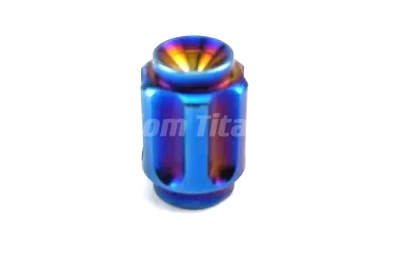
When looking at different materials for valve stem caps, titanium valve stem cap options stand out as the best choice for tough jobs. Plastic caps protect against dirt pretty well, and brass is pretty good at resisting corrosion. But Grade 5 titanium alloy (Ti-6Al-4V) is the best at all three of these important tests: it has the best resistance to corrosion, the best strength-to-weight ratio, and the best thermal stability above 400°C. Unlike aluminum caps that can rust when paired with brass valve stems or steel versions that add extra rotational mass, titanium caps don't seize and have less unsprung weight. This makes it the best material for motorsport teams, luxury car manufacturers, and precision machinery applications where dependability can't be compromised.
Valve Stem Caps: Materials and Their Impact
Valve stem caps have a very important but seemingly simple job: they keep the Schrader or Presta valve system clean and free of outside particles that could damage the integrity of the tire pressure. The buildup of dirt, water, and acidic road salts over time weaken valve cores, causing slow leaks and early component failure. The choice of material for these protected plates has a direct effect on how long the system lasts and how often it needs to be maintained.
Common Material Options and Their Limitations
Plastic caps are most common in entry-level uses because they are cheap and work well in controlled settings. But thermal cycling from brake heat makes the metal weak, which leads to cracks and stripped threads. Brass caps last longer, but they add weight that isn't needed, which is a problem for performance-based uses where every gram changes how the parts are handled. While aluminum caps are a good compromise, they have a major flaw: when they are paired with brass valve stems in wet conditions or around salty roads, galvanic rusting turns the two metals into one, which makes regular tire maintenance very hard.
Steel versions are stronger mechanically, but they are more likely to rust and have big rotary mass penalties. In high-performance situations where wheel balance has a direct effect on how the suspension works and how the tires wear, the extra weight of steel caps can be measured. These days, tech teams are becoming more and more aware that choosing the right parts at this very small level can lead to big speed gains over time.
Performance Factors That Matter
Premium materials are different from cheaper ones because they last longer under heat stress. The radiating heat that racing brake systems make can soften plastic threads and oxidize metal surfaces. Corrosion resistance tells us if caps can still be taken off after being exposed to calcium chloride road treatments and ocean salt spray for a long time. Protecting the thread integrity makes sure that the removal torque stays the same over many years of use. This keeps valve stems from having to be changed for no reason, which can be expensive, when caps stop.
Some people still think that all metal caps work the same, but changes in the way the metal is made lead to very different results. In the real world, trustworthiness is affected by things like material density, temperature expansion coefficients, and electrochemical potential in relation to brass stems. These factors only become clear after a long time of use.
Titanium Valve Stem Caps: Benefits and Technical Advantages
Making titanium valve stem caps out of Ti-6Al-4V Grade 5 material is like combining the best parts of aircraft engineering and precision car engineering. The alloy's density of 4.43 g/cm³ means that each cap weighs about 2 grams, which is about 45% less than steel caps of the same size but with a tensile strength of around 1000 MPa. This edge in strength to weight immediately leads to less rotational inertia, which lets suspension systems react more accurately to road inputs.
Corrosion Immunity and Environmental Resilience
Titanium makes a steady titanium dioxide (TiO2) passive layer on its own when it comes into contact with oxygen. This creates a self-healing barrier that stops chloride ions from getting through and stops acidic brake dust from building up. We've seen titanium parts keep their shape after years of being exposed to winter road salt, which would eat away at aluminum threads and make them useless. This inactive oxide layer grows back even after being scratched, so it protects against damage over time without the need for extra coatings.
The waterproof quality doesn't come from processes on the outside, but from the chemical inertness of the material itself. When moisture gets past the threads, it can't start oxidation processes. This means that rust doesn't cause the volume expansion that holds steel caps together. Racing teams that have to deal with changing weather really appreciate how reliable this is—pit crews can take wheels off to change tires without having to deal with caps that won't come off, which delays important service times.
Thermal Stability and Mechanical Performance
When high-performance cars' carbon-ceramic brake systems slow down quickly, they can reach temperatures of more than 350°C in some places. The melting point of titanium is close to 1660°C, which keeps its shape under these conditions. Its low thermal expansion coefficient (8.6 × 10⁻⁶/°C) also keeps threads from distorting. Aluminum starts to lose its tempering properties above 200°C, and plastic caps start to soften and deform at temperatures above 120°C. Titanium is the only material that can be used in high temps.
When aerospace-grade titanium is machined with precision CNC tools, thread tolerances are kept to within 0.01 mm. This makes sure that the same amount of pressure is applied and removed every time. Rolled threads, which are made by cold working instead of removing material, keep the alloy's grain structure, which makes them 20–30% more resistant to wear than cut threads. This part of the manufacturing process is important for parts that will be vibrating and changing temperatures for thousands of hours in service.
Cost-Benefit Analysis for B2B Procurement
Titanium valve stem caps are three to five times more expensive than other materials at first, but lifetime study shows that they are a good investment. Maintenance work costs go down because valve stem repairs caused by seized caps don't have to be done as often. Manufacturers of performance vehicles try to avoid guarantee claims that are linked to caps breaking down. Fleet workers try to keep unplanned repair events that mess up operations to a minimum.
The cost-effectiveness of buying in bulk is even higher. When manufacturers buy at least 100 pieces, they can get factory-direct prices that are competitive with premium metal options. When spread out over the lifecycles of vehicles or the times between fleet replacements, the extra cost is almost nothing compared to the failure modes that are prevented and the better brand image that comes with quality detailing.
Market Trends and Future Outlook for Valve Stem Cap Materials
As makers try to meet changing efficiency needs and environmental concerns, new materials are changing the way they choose which parts to use. More and more, the car and racing industries are realizing that small weight savings add up to big benefits when applied consistently to all parts of a vehicle.
Emerging Preferences in Premium Segments
Manufacturers of high-end electric vehicles use titanium fasteners in the frame parts to make up for the extra weight of the battery packs. This way of thinking about specs also applies to small parts like valve stem caps, where brand uniformity needs all gear that the customer can see to be made of the same material. Engineers who work on improving battery cooling systems and motor efficiency know that lowering the vehicle's rotational mass makes regenerative braking work better and increases its range, both of which have a direct effect on its competitive standing.
Titanium is being used more and more in the performance aftermarket. When wheel makers bundle titanium lug nuts with matching valve caps, the market expects this to happen, which changes how the industry works as a whole. Custom builders say that customers are asking for titanium parts by name, which shows that fan groups are becoming more aware of the material.
Strategic Procurement Implications
For material changes to go smoothly, suppliers need to work with the new company as partners, not just as buyers. Forward-thinking companies work with suppliers early on in the design process, using their knowledge of materials to improve part specs before making production tools. This joint method shortens the time it takes to build something while avoiding expensive redesigns.
Offering certifications helps you stand out from the competition. Maintaining detailed quality records, tracing materials, and testing methods by suppliers makes OEM approval processes easier, which would otherwise take months of validation work. Customization services, such as laser etching and specialized anodizing, turn ordinary parts into features that make a product stand out and allow for higher prices in competitive markets.
Manufacturers can make their processes more efficient with the help of value-added services like contract inventory programs, kanban delivery systems, and expert training support. The integrated titanium production environment based in Baoji Titanium Valley makes the supply chain more resilient in a way that separate suppliers can't. This is because vertical integration includes everything from making raw materials to precision CNC machining, which lets companies respond quickly to changing requirements.
Conclusion
The choice of material for valve stem caps goes beyond just meeting basic practical needs. It also has to do with performance optimization, lifetime cost management, and how the brand is seen. Titanium valve stem caps made from Grade 5 Ti-6Al-4V alloy have measurable benefits in three important areas: they are highly resistant to corrosion, which keeps them from seizing, they have high strength-to-weight ratios, which lower their rotational mass, and they are thermally stable, which makes them reliable in harsh conditions. Even though they cost more at first than regular materials, lifetime analysis that takes into account less upkeep, no warranty issues, and longer durability shows that they are a great deal for performance-oriented uses. When procurement pros have to balance quality standards with budget limits, they find that ordering at least 100 pieces at factory-direct prices makes it possible for premium titanium solutions to be cost-effective. As the automobile and industrial sectors put more emphasis on lightweight engineering and long-lasting parts, titanium's unique set of properties makes it the best material for tough jobs where dependability can't be ignored.
Partner With Wisdom Titanium for Premium Titanium Valve Stem Cap Solutions
Wisdom Titanium is an expert at making aerospace-grade titanium valve stem caps that meet the strict requirements of automakers, race teams, and high-precision machines. Our factory in Baoji Titanium Valley is ISO 9001-certified and makes Grade 5 titanium metal caps that are 18 mm tall and 10 mm in diameter. Each one weighs only 2 grams and comes in either a polished or anodized finish. We keep a lot of stock on hand so that orders that meet our 100-piece minimum can be shipped right away. We offer factory-direct pricing that makes high-quality materials affordable for important uses. As an experienced seller of titanium valve stem caps, we offer customization options such as laser engraving and specialized anodizing. We also support bulk buying programs and offer quick technical support. Email our team at sales@wisdomtitanium.com to talk about your unique needs and find out how our combined supply chain can make your projects more reliable. You can look at our whole selection of titanium fasteners and precision CNC parts at wisdomtitanium.com.
FAQ
Will titanium caps seize to brass valve stems like aluminum caps?
Titanium's electrical inertness makes galvanic rust much less likely than when aluminum and brass are combined. Ion exchange, which is what makes different metals stick together, can't happen because of the inactive titanium dioxide layer. Nickel anti-seize coating gives extra protection in harsh salt settings, but titanium's natural qualities make seizing very unlikely even without extra treatments.
How does the 2-gram weight affect wheel balance?
When compared to steel caps that weigh 25 grams or more per set, four titanium caps that weigh a total of 8 grams don't change the balance of the wheel at all. This loss of mass near the wheel rim diameter leads to small but visible improvements in how the suspension responds and how the tires wear. These improvements are especially clear when going fast, where the weight savings add up across multiple systems.
What distinguishes polished from anodized finish options?
Mechanical rubbing brings out the natural shiny shine of titanium in polished finishes, which don't need any other treatments. Anodized choices use electrochemical methods to make colored oxide layers that are chemically bonded instead of being coated. These layers can be blue, gold, or black. Both finishes don't break down in the environment, but anodised surfaces are a little less likely to scratch because they are harder.
References
1. Davis, J.R. (2006). Metals Handbook: Properties and Selection of Titanium Alloys. ASM International, Materials Park, Ohio.
2. Peters, M., Kumpfert, J., Ward, C.H., and Leyens, C. (2003). "Titanium Alloys for Aerospace Applications," Advanced Engineering Materials, Vol. 5, No. 6, pp. 419-427.
3. Schutz, R.W. and Watkins, H.B. (1998). "Recent Developments in Titanium Alloy Application in the Energy Industry," Materials Science and Engineering A, Vol. 243, Issues 1-2, pp. 305-315.
4. Donachie, M.J. (2000). Titanium: A Technical Guide, 2nd Edition. ASM International, Materials Park, Ohio.
5. Boyer, R., Welsch, G., and Collings, E.W. (1994). Materials Properties Handbook: Titanium Alloys. ASM International, Materials Park, Ohio.
6. Lutjering, G. and Williams, J.C. (2007). Titanium: Engineering Materials and Processes, 2nd Edition. Springer-Verlag, Berlin Heidelberg.