
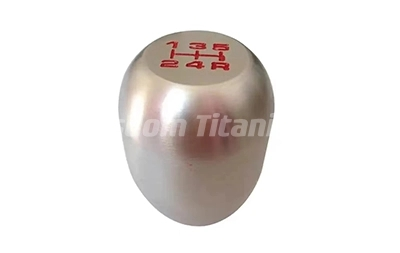
Particularly for high-performance and luxury automotive uses, the titanium gear knob stands out as the best option when considering gear knob materials. Working with car engineers and repair experts for years, I've learned that titanium is the best material for a variety of reasons: it's light, strong, resistant to corrosion, and easy to work with. Plastic works fine for cheap cars and aluminum works fine, but titanium is the best when it comes to longevity and ergonomic feedback, which directly leads to better shift accuracy and driver happiness. The choice of material has a big effect on not only how something looks, but also how well it works over time and how much it costs to maintain.
Understanding Gear Knobs: Materials and Characteristics
The market for gear knobs has a lot of different types of materials, each designed to meet different performance needs and price points. The choice of material has a direct effect on the user experience through its weight, ability to conduct heat, grip, and appearance.
Plastic Gear Knobs: Economical Standard Options
Plastic is still the most common material for mass-market cars because it is cheap to make and easy to build. Modern plastics used in cars are pretty durable and can be shaped to fit your body. They can also be made to have color designs built in. Temperature stability has gotten a lot better, but long-term contact to the sun still breaks it down. It's easier to shift when the wheels are lightweight, but that also takes away from the solid feel that fans like. Plastic is 60–80% cheaper to buy than metal options. This makes it perfect for budget-conscious vehicle groups where replacement cycles are in line with expected vehicle lifespans.
Aluminum Gear Knobs: Balancing Performance and Cost
When it comes to price and efficiency, aluminum is the best choice. Because this material is good at transferring heat, it stays cool in the summer and cold in the winter. This directly affects the comfort of the driver. The ratio of strength to weight is much higher than that of plastic, but the weight is still pretty low. Anodizing methods let you choose from a wide range of colors and apply surface treatments that last longer than painting finishes. Racing modifications often use aluminum because it strikes a good mix between speed and cost, but the material doesn't last as long as it needs to in extreme competition settings.
Steel Gear Knobs: Traditional Robustness
Steel is the heaviest of the common materials used to make gear knobs, giving them a strong feel when changing gears. This weight can improve shift accuracy by helping with momentum, but it also makes it harder to do quick repetitive changes. Stainless steel versions are very good at resisting rust and are good for cars that are in tough weather or near water. The main problems are that steel gear knobs can get too hot or too cold based on the temperature and humidity in the room, and the surface can get scratched easily even with protective coats. When buying, things like higher material prices and less creative freedom compared to cast or molded options are things to think about.
Carbon Fiber Gear Knobs: Aesthetic Premium
Carbon fiber is mostly liked by people who like the look of racing products because it has a unique look and good mechanical qualities. This material is very strong for its weight and doesn't let heat pass through it easily. Carbon fiber is much more expensive than aluminum or steel because it is harder to make. This makes it more of a luxury choice than a useful speed boost. Concerns about durability come up because top glue can be damaged by UV light and impacts. The material works well for custom builds and limited-production cars where the look is important. However, there are still long-term value questions for fleet uses that need longer service intervals.
The choice of materials must be in line with where the car is going, what the target customer wants, and the operational setting. For economy cars, plastic solutions that are low in cost are most important. On the other hand, performance uses need materials that improve the driving link by providing better tactile feedback and lasting longer.
Titanium Gear Knobs: Features, Benefits, and Maintenance
What Defines a Titanium Gear Knob
A titanium gear knob is an example of how precise engineering can be used to improve a basic driving interface. These parts are made from aerospace-grade titanium alloys, usually Grade 5 (Ti-6Al-4V), which gives them both great strength and a very low density. CNC machining is used to make the parts from solid titanium rod stock. This lets complex geometric designs and threaded connections make sure that the parts can be securely mounted on different types of transmissions. The crystalline structure of the material naturally reduces vibrations, which stops annoying feedback during gear engagement while keeping purposeful tactile information that makes shifts more precise.
Superior Strength-to-Weight Ratio
Titanium has about the same tensile strength as steel, but it weighs about 45% less. This trait is especially useful for speed uses, where lowering the vehicle's unsprung and rotating mass makes it move better. Because it is lightweight, it requires less effort to shift gears quickly, which keeps drivers from getting tired during long driving lessons or competitions. Racing teams like how titanium parts stay strong even after being loaded and unloaded many times, which would wear down aluminum parts over time.
Exceptional Corrosion Resistance
When the material is exposed to oxygen, it makes a stable oxide layer that protects against environmental damage. Because of this feature, you don't have to worry about rust, rusting, or damage from road salt, which are common ways for steel parts to break. Titanium is naturally resistant, so it stays looking good and working well for a long time without needing protection layers that can chip or wear off. This is especially helpful for vehicles that are used near the coast or in places where chemical deicing agents are used.
Thermal Management Properties
Titanium doesn't conduct heat as well as aluminum or steel, so it stays closer to room temperature no matter what the conditions are like inside. This feature keeps you from having to deal with the pain of holding an icy-cold or unbearably hot gear knob when the weather is high. The material quickly adjusts to the warmth of your hand while you're using it, giving you a neutral feel experience that doesn't take your attention away from driving. Performance drivers who work in a variety of climates say that this feature makes them more comfortable during long racing events.
Premium Aesthetic Appeal
Precision CNC-machined titanium has a natural metallic shine that communicates quality in both visual and physical ways. Different types of surface treatments, from brushed to finished, go with a wide range of interior design styles. The material's unique color makes it stand out right away from aluminum or steel alternatives. Custom engraving and image integration keep the clean look without affecting the structural integrity, which helps aftermarket providers and OEM makers target luxury consumers differentiate their brands.
Maintenance Requirements
Titanium gear knobs don't need as much upkeep as knobs made of other materials. Cleaning it every so often with water and light soap gets rid of oils and dirt without hurting the metal layer or surface finish. The material is less likely to scratch than metal and doesn't rust, which is a problem with steel parts that needs protective coats. In consumer applications, expected service life usually lasts longer than the length of time a person owns a car. In professional racing applications, however, reliable performance is reported through multiple race seasons without any measurable degradation.
Conclusion
Choosing the right material for gear knobs has a big effect on how happy drivers are, how long parts last, and how people feel about a brand across all car groups. In low-cost situations, plastic works fine and metal does a good job in the middle. But the titanium gear knob is the best choice for high-end and performance settings because it lasts longer, is lighter, and feels better to the touch. When aerospace-grade materials are combined with precision CNC production and natural corrosion resistance, the higher price is justified by longer service life, less upkeep, and a better user experience. When making procurement choices, it's important to look at the total cost of ownership instead of just the original prices of the parts. This is because investments in important driver interfaces have a direct effect on customer happiness and competitive standing in tough market segments.
Partner with a Trusted Titanium Gear Knob Manufacturer
Adding high-quality titanium gear knob products to your vehicles or product line will improve their performance, last longer, and make customers happier. Wisdom Titanium is an ISO 9001-certified company in Baoji Titanium Valley, which is China's largest titanium production hub. They make aerospace-grade titanium parts, such as Grade 5 titanium alloy precision CNC-machined gear knobs. Our experienced research and development (R&D) team can help you with custom design services that are based on your transmission settings and aesthetic needs. We also keep a full store of raw materials and use well-established production methods to ensure stable quality and on-time deliveries. Our engineering knowledge and full after-sales support will protect your investment from the time you specify it until it's used for years to come, whether you're an auto OEM manufacturer, a performance modification shop, or a racing team looking for titanium gear knob suppliers who know how to meet the needs of professional applications. You can talk to our team at sales@wisdomtitanium.com about your needs and get full quotes for standard or custom titanium gear knobs that will help your products stand out in the car market.
FAQ
Does the premium price of titanium gear knobs justify the investment?
The value offer changes based on the product and what the customer wants. Luxury car companies and performance-focused brands get measured returns from better quality image and fewer warranty claims. Reliability in harsh circumstances helps racing teams explain the higher prices of parts by ensuring consistent performance. Custom car makers who want to attract picky customers find that titanium parts help them set higher prices. For mass-market uses where cost is more important than quality, the expense might not be worth it.
How do titanium gear knobs influence driving dynamics across vehicle categories?
It's light, so it's easier to shift gears quickly. This is especially visible in fast cars with manual transmissions. The vibration damping qualities make shifts more precise by cutting down on unwanted input while keeping the purposeful tactile information about which gears are engaged. Extreme temperatures don't affect thermal stability, so drivers can keep their attention on controlling the car. Racing uses say that shift speed stability has gotten better because parts are lighter and the ergonomic input is better.
What customization options exist for titanium gear knobs?
Surface surfaces that range from brushed to polished look good with a variety of design styles. CNC engraving lets you add a brand, a unique design, or personalized text without weakening the structure. To fit non-standard transmission uses, thread specs and mounting arrangements can be changed. Weighted base choices let you change how the weight is distributed to suit your own physical needs. Color changes made by anodizing or PVD finishing create visual differences that are easy to spot while keeping the material's performance traits.
References
1. Davis, J.R. (2006). Titanium: A Technical Guide. ASM International, Materials Park, Ohio.
2. Boyer, R., Welsch, G., and Collings, E.W. (1994). Materials Properties Handbook: Titanium Alloys. ASM International.
3. Donachie, M.J. (2000). Titanium: A Technical Guide, 2nd Edition. ASM International, Materials Park, Ohio.
4. Peters, M., Kumpfert, J., naturalist Ward, C.H., and Leyens, C. (2003). "Titanium Alloys for Aerospace Applications," Advanced Engineering Materials, Volume 5, Issue 6.
5. Lutjering, G. and Williams, J.C. (2007). Titanium, 2nd Edition. Springer-Verlag, Berlin Heidelberg.
6. Froes, F.H. (2015). Titanium: Physical Metallurgy, Processing, and Applications. ASM International, Materials Park, Ohio.