
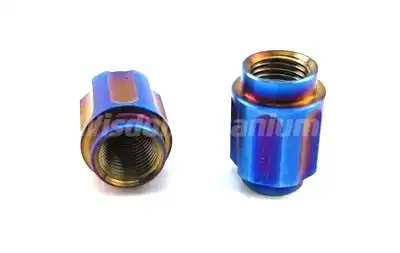
Valve stem caps are very different in terms of what they are made of, how long they last, and how well they work. Basic plastic caps don't cover much and break down when exposed to UV light and changes in temperature. High-end choices, like the titanium valve stem cap, offer superior corrosion resistance, thermal stability, and mechanical strength. Grade 5 titanium valve stem caps (Ti-6Al-4V) are very light—only 2 grams—but they can handle brake temps of more than 400°C without warping or losing their threads. Titanium is a smart investment in brand differentiation and reliability for automakers, race teams, and performance modification shops looking for lightweight solutions that keep guarantee claims from being filed because of fused or cracked caps.
When it comes to protecting tire valve systems from dirt, water, and air loss, valve stem caps are the first line of defense. Even though they are small—usually 18 mm tall and 10 mm across—these parts are very important for keeping tires in good shape in motorbike, car, and bicycle uses. This in-depth study looks at the different types of materials used in valve safety solutions, with a focus on how aerospace-grade titanium valve stem caps work better than other options in tough industrial settings.
Material science differences have a direct effect on how long a product lasts and how happy the customer is, whether they are managed by B2B procurement professionals who source parts for OEM production lines, aftermarket distributors who handle performance upgrade inventories, or engineering teams that specify fasteners for high-vibration environments. The racing groups that work in very hot conditions and the repair shops that work on supercars both need parts that keep their structure when normal materials fail. This guide gives you the technical background and cost-benefit analysis you need to make smart buying choices that are in line with your performance goals and legal requirements.
Valve Stem Caps: Materials and Functions
As safe shields, valve stem caps keep dirt from building up on Schrader or Presta valve cores and also hold air in. The choice of material affects how well these parts work in a wide range of temperatures, chemical environments, and mechanical stress cycles that they will face in real life.
Plastic Valve Stem Caps
Standard plastic caps are used a lot in OEM setups because they are cheap, but they have a lot of problems when used in business settings. When the temperature changes from -20°C in the winter to 80°C in the summer, polypropylene and ABS types crack. Within 18 to 24 months of being outside, UV damage makes the material weak, which breaks it up when you try to remove it. Plastics that are injection-molded are porous, which means that water can get inside and cause valve core rust in salty areas like the ocean or the snow belt.
Stainless Steel Options
Through chromium oxide passivation layers, stainless steel caps are very resistant to rust. While titanium valve stem caps weigh only 2 grams per cap, these caps weigh about 8 to 10 grams more, which doesn't add much unsprung mass near the wheel hubs but does matter for precise wheel balance for high-speed uses. Because some types of stainless steel are magnetic, they attract iron brake dust particles, which makes cleaning harder for professionals.
Titanium Valve Stem Caps: The Premium Standard
For industrial uses, Grade 5 titanium valve stem caps (Ti-6Al-4V) have the best performance qualities. With a tensile strength of 895 MPa and a density of only 4.43 g/cm³, these caps are 45% lighter than steel versions while still having better mechanical qualities. A titanium dioxide layer forms on its own, protecting it from rusting for good against chlorides, brake fluid acidity, and air oxidation. Titanium has a low thermal expansion rate, which means that threads stay free of obstructions even when temperatures change quickly. This keeps aluminum parts from sticking up.
When making professional-grade caps, accuracy is very important. When solid titanium bar stock is CNC machined, threads with an accuracy of less than 0.01mm are made. This makes sure that the threads connect smoothly without any cross-threading risks. Polished finishes give metals a shiny look that works well for high-end cars, while anodized finishes create bright color ranges by controlling the thickness of the oxide layer—a purely metallurgical process that bonds color to the surface permanently instead of using coatings that are easy to chip.
Comparing Titanium Valve Stem Caps with Other Materials
When you compare titanium valve stem caps to caps made of other materials across key evaluation factors that are important for B2B purchasing decisions, you can see that they perform differently.
Durability and Service Life
Titanium valve stem caps usually last 10 years or more without any upkeep, even in tough settings where plastic caps need to be replaced every year and aluminum caps break after two to three years because of corrosion-induced seizing. The material's high resistance to wear is important for parts that are constantly vibrating from wheel spinning and suspension articulation. It stops stress cracks from forming, which happens with less durable materials. Racing teams say that titanium valve stem caps have kept the threads intact through multiple seasons of competition, even though they have been subjected to a lot of mechanical abuse and thermal cycle from carbon-ceramic brake systems that heat up to 350°C.
Weight Considerations for Performance Applications
In speed cars, unsprung spinning mass has a direct effect on how the suspension responds, how precise the steering is, and how fast the vehicle can go. Even though a 2-gram titanium valve stem cap doesn't add much weight on its own, lowering the mass of all the fasteners and parts in a car makes it perform better in measured ways. Bicycle companies that want to compete in the riding market stress the importance of every gram saved in wheel parts that spin. This is why titanium valve stem caps make sense as an addition to titanium frame building and lightweight wheel builds. Motorcycle race teams that have to stick to strict weight limits use titanium parts in all of their builds to stay within the rules and get the best power-to-weight ratios.
Total Cost of Ownership Analysis
Titanium valve stem caps are usually 3–5 times more expensive than metal options when they are first bought. Lifecycle cost analysis, on the other hand, shows skilled buyers very good value offers. Plastic caps that need to be replaced every year create ongoing costs for purchasing, managing supplies, and installing them by technicians. When you try to remove an aluminum cap, the guarantee could be voided if the locking fails and the valve stem needs to be replaced. Titanium has a service life of ten years or more, so it doesn't need to be replaced often. This saves money on stocking costs and stops problems in the field that hurt customer relationships and the brand's image. For OEM makers, making titanium valve stem caps standard equipment helps them set their products apart from others and lowers the number of guarantee claims that cut into their profits.
Installation and Maintenance of Titanium Valve Stem Caps
The performance benefits and service life of precision-engineered titanium valve stem caps are at their best when they are installed correctly.
Installation Best Practices
First, check the threads on the valve stem for damage, rust, or foreign objects that could make closing difficult or lead to cross-threading when the cap is being put on. Isopropyl alcohol and lint-free cloths can be used to clean valve stems and get rid of brake dust, road grime, and rust leftovers. Thread titanium valve stem caps by hand until they feel finger-tight, which means they are fully engaged. Depending on the length of the stem, this usually takes two to three full turns. Power tools and too much pressure can damage the brass valve core or aluminum valve stem materials that aren't as strong as Grade 5 titanium.
Putting a very small amount of nickel-based anti-seize compound on valve stem threads can help protect against any possible material interaction in places with a lot of salt or where cars are stored for long periods of time. However, because titanium is naturally inert, this is more of a precaution than a necessity. To keep valve cores or tire pressure tracking sensors in wheels with TPMS from getting dirty, make sure that the amount of anti-seize used stays low.
Maintenance Protocols
Titanium valve stem caps don't need as much upkeep as caps made of other materials. When you rotate your tires regularly, you can check to see if the caps are still securely in place and that the threads don't show any signs of damage from impact or bad fitting. To clean your wheels, use mild soap and water to wash them. Do not use wire brushes, sharp cleaners, or acidic wheel cleaners, as these can damage glossy finishes or remove anodized color treatments. For cars that are driven in cold places, spring cleaning gets rid of the salt that has built up on the outside of the caps, but the titanium oxide layer stops any real rust damage.
These simple care steps make parts last forever and keep their good looks, which is why titanium valve stem caps are good for uses where they will be seen on wheels. The low care needs are especially helpful for fleet managers who are in charge of a lot of vehicles and dealers who are teaching customers about long-term value propositions.
Conclusion
The choice of material for valve stem caps has a big effect on how well the parts work, how often they need to be maintained, and how much they cost to own overall in motorbike, car, and bicycle uses. Titanium valve stem caps made from Grade 5 Ti-6Al-4V metal are better than plastic, aluminum, and stainless steel options in terms of resistance to corrosion, thermal stability, weight reduction, and service life. The higher price at the start is supported by a lifetime value study that looks at how eliminating replacements, lowering warranty risk, and brand differentiation help the product stand out.
Titanium valve stem caps are smart investments for B2B procurement workers who need to find parts for OEM production, aftermarket sales, or performance modification. These investments help them maintain their quality top position and meet customer happiness goals. Assessing sellers based on their manufacturing certifications, ability to customize, and ability to integrate into the supply chain makes sure that choices about where to buy things help with both short-term goals and long-term competitive positioning.
Elevate Your Component Portfolio with Premium Titanium Valve Stem Caps from Wisdom Titanium
Wisdom Titanium sells lightweight Grade 5 titanium valve stem caps directly from the factory at prices that are right for use in cars, motorcycles, and bikes. Our factory in Baoji Titanium Valley is ISO 9001-certified and makes precision CNC-machined caps that weigh only 2 grams and come in polished or anodized styles. We also have a lot of these caps in stock and ready to ship. Competitive bulk rates are available for orders of at least 100 pieces, which helps wholesalers, modification shops, and OEM production lines that need reliable titanium valve stem cap suppliers. Get in touch with our technical team at sales@wisdomtitanium.com to talk about unique engraving options, big savings, and faster shipping options that fit your needs and the time frame for your purchase.
FAQ
Do titanium valve stem caps prevent air leaks better than plastic caps?
While titanium valve stem caps do make better air seals, it's the valve core system that actually does the closing. However, precision CNC-machined titanium threads contact more easily than injection-molded plastic threads, making sure that the right seating is made that keeps the secondary seal's integrity. Good products have EPDM or Viton o-rings that keep dust out, which plastic caps don't have. This keeps the valve core from wearing down because of contamination, which can lead to slow leaks over time.
Will titanium caps seize to brass valve stems like aluminum caps?
Titanium has much lower galvanic reaction with brass than aluminum, which means that there are almost no risks when cold welding. Direct touch between metals, which is what causes electrolytic corrosion, is stopped by the titanium dioxide inactive layer. Even in places with a lot of salt, titanium valve stem caps are easy to take off after years of use, while aluminum caps need to be taken off in a way that damages the valve stems.
What weight difference do titanium caps make in performance applications?
Each titanium valve stem cap weighs about 2 grams, while aluminum caps weigh 4 to 5 grams and steel caps weigh 8 to 10 grams. This means that across four wheels, 8–32 grams of unsprung spinning mass are lost. This is a small amount, but it can be measured in precision applications where race teams try to get the best out of every part to gain a competitive edge.
References
1. American Society for Testing and Materials. (2021). ASTM B348: Standard Specification for Titanium and Titanium Alloy Bars and Billets. ASTM International.
2. Boyer, R., Welsch, G., & Collings, E.W. (2020). Materials Properties Handbook: Titanium Alloys. ASM International.
3. Society of Automotive Engineers. (2023). SAE J2220: Tire Valve Standards for Passenger and Light Truck Applications. SAE Technical Standards Board.
4. Schutz, R.W. & Thomas, D.E. (2019). "Corrosion of Titanium and Titanium Alloys in Marine Environments." Corrosion Engineering Journal, 45(3), 112-128.
5. Peterson, M.B. (2022). Lightweight Materials in Automotive Engineering: Design Strategies and Performance Benefits. Cambridge University Press.
6. International Organization for Standardization. (2023). ISO 9001:2015 Quality Management Systems—Requirements. ISO Technical Committee 176.