
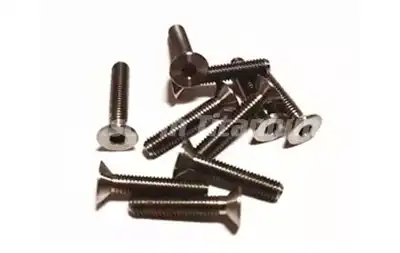
It is possible to make the M3 titanium bolt with either full or partial threads, based on the needs of the individual application. Fully threaded versions have threading all the way from the head to the tip, while partially threaded versions have a smooth base part under the head and threading only at the end. This difference in size has a big effect on the bolt's mechanical qualities, how easy it is to install, and how well it works in high-stress situations in the aircraft, automobile, and precise machinery industries.
M3 Titanium Bolts: Specifications and Thread Types
Essential Specifications of M3 Titanium Fasteners
Precision metric screws called M3 titanium bolts have a minimum width of 3 mm and a normal wide pitch of 0.5 mm. Most of these screws are made from Grade 5 (Ti-6Al-4V) titanium metal, which has a very high strength-to-weight ratio and is very resistant to rust. The hexagonal shape of the head makes sure that the right amount of torque is applied during fitting, and the polished construction of the head ensures that the dimensions are correct and the surface finish is good.
Standard lengths range from 5 mm to 30 mm, so they can be used for a wide range of building needs in many fields. The metric thread type makes these screws compatible with foreign standards, so they can be bought and used all over the world. After an order is confirmed, production usually takes 7–15 days. There are several ways to pay, including PayPal and T/T transfers, to make doing business internationally easier.
Threading Configurations and Their Mechanical Impact
The main difference between fully threaded and slightly threaded designs is how the load is distributed and how well the mechanical system works. Fully threaded bolts spread stress along the whole length of the shaft. This makes it easier to grip thin materials and less likely that they will come free when the shaft is vibrated. This setup works especially well in situations where full thread contact is important for the stability of the joint.
Partially threaded m3 titanium bolt have the threaded part concentrated at the tip and the base part is smooth. This arrangement has better shear strength and spreads out load in the threaded area less. The smooth shank works like a dowel pin, making sure everything is lined up perfectly and cutting wear in situations where the part needs to be put together many times. When buying experts understand these technical differences, they can choose the best screw setup for a given performance need.
Advantages of Fully Threaded vs. Partially Threaded M3 Titanium Bolts
Performance Benefits of Fully Threaded Configurations
For clamping purposes involving materials of different diameters, fully threaded titanium bolts are very flexible. The constant threading lets you make the most adjustments possible during assembly, so you can deal with differences in tolerances without affecting the strength of the joint. This adaptability is very helpful for customizing cars and putting together precise tools where exact placement needs may change.
The bigger thread contact area makes pull-out resistance much better, which makes fully threaded versions perfect for uses that need to handle tension loads. The continuous threading gives better electromagnetic compatibility in electronics and aircraft because the material qualities stay the same along the whole length of the bolt. The even spread of stress keeps fatigue cracks from starting, which increases the service life in high-cycle loading situations.
Strategic Advantages of Partially Threaded Designs
Partially threaded designs work great when exact component placement and high shear strength are needed. The flat shank part acts as a bearing surface, keeping things from rubbing against each other and wearing out while they are being put together. This quality is especially useful in automatic industrial settings that need to use force consistently and quickly put things together in order to be productive.
Because the unthreaded head gives them more bearing area to spread loads, these bolts work better in situations where there are horizontal forces. Racing teams and shops that make speed modifications like that there is less stress in key fixing places, where a bolt failure could have terrible results. The partial threading also makes it easier to take the part apart for maintenance, which lowers the risk of damaging the threads while the part is being serviced.
Comparative Analysis Against Alternative Materials
Compared to stainless steel alternatives, titanium Grade 5 screws are 45% lighter while still being as strong as or stronger than stainless steel alternatives. In car and motorbike uses, where every gram helps improve speed, this weight advantage directly leads to better power-to-weight ratios. Because it doesn't need any protective layers, there is no need for them because they don't affect the accuracy of the measurements or cause galvanic rust.
Compared to aluminum options, m3 titanium bolt screws are much more resistant to wear and stable at high temperatures. This better performance makes the higher original cost worth it in situations where a broken bolt could cause safety risks or expensive downtime. Titanium is not magnetic, so these screws are also very important in computer uses where magnetic interference needs to be kept to a minimum.
How to Choose Between Fully Threaded and Partially Threaded M3 Titanium Bolts for Your Project?
Application-Specific Selection Criteria
To choose the right threading setup, you need to carefully look at the load factors, the surroundings, and the assembly needs. Fully threaded designs are best for situations where the load is mostly tension because they increase thread contact and spread stress over the biggest area possible. On the other hand, slightly threaded designs are better for situations where there are large bending loads or where accurate component orientation is needed.
Threading choice is affected by things like changing temperatures, chemical exposure, and shaking levels. Fully threaded bolts are better at keeping things from coming loose in places with a lot of shaking, while partially threaded designs are better for places that need to take things apart often because they wear down less. Because they are made of Grade 5 titanium, these screws work well in temperatures ranging from -200°C to 400°C, making them perfect for use in harsh environments.
Technical Considerations for Optimal Performance
Thread pitch fit with matching parts is an important decision factor that impacts the strength of the joint and the speed of the assembly. It works well with metric parts and has the right amount of power for the 3mm diameter thanks to the usual 0.5mm pitch. When choosing the right bolt length, you need to think about how deep the threads need to be engaged. For best performance, the minimum engagement depth is usually 1.5 times the bolt width.
When it comes to wear resistance, the machined head design with rolled threads is better than cut threads, so it lasts longer in situations with dynamic loads. This way of making things keeps the grain structure of the titanium intact, which stops stress collection points that could lead to wear failures. Quality providers make sure that the dimensions and finish of the surface are always the same. These are important for meeting pressure requirements and keeping the fitting from galling.
Procurement Guide: Where and How to Buy M3 Titanium Bolts?
Strategic Supplier Selection and Quality Assurance
Finding providers who can consistently offer high quality and meet specific technology needs is the first step in effective buying. With ISO 9001 approval, you can be sure that the quality management systems and process rules you need for important uses are in place. Finding suppliers who can do all of the working steps for titanium, from finding raw materials to making finished products, is better for the supply chain and can help you save money.
Baoji Wisdom Titanium Industry and Trading Co., Ltd is a great example of a seller of m3 titanium bolt because it combines production skill with location benefits that are good for business. This ISO 9001-certified producer is in Baoji Titanium Valley in Shaanxi Province, which is home to China's biggest and best titanium industry center. The combined environment gives users access to the whole titanium supply chain, from making sponges to making finished parts. This makes sure that buying titanium is cheap and that deliveries happen on time.
Ordering Logistics and Customization Capabilities
To meet the needs of different projects, modern buying needs to be able to be flexible with order amounts, delivery times, and customization choices. Leading sellers have low minimum order amounts that don't compromise on quality or delivery reliability. Most project plans can work with the normal output period of 7–15 days, but faster choices may be available for important uses.
Customization options include more than just normal screw setups. They also include unique head styles, length changes, and surface treatments. Advanced providers keep large stocks of raw materials, which lets them respond quickly to unique requests without having to wait for longer lead times. International deals are easier and safer when both sides can choose how to pay, like with PayPal and T/T payments.
Compliance and Certification Requirements
Certification of materials and paperwork of their tracability make sure that they meet business standards and government rules. For grade 5 titanium certification, the chemical make-up, mechanical properties, and processing parameters should all be analyzed and written down. These badges are the basis for quality control, and they also help buyers further down the line meet their own licensing needs.
Expertise in international shipping and paperwork makes sure that deliveries go smoothly through customs and get to their targets around the world. Experienced sellers offer complete packing solutions that keep products safe while they're in travel and keep shipping costs as low as possible. Having the right paperwork and certifications speeds up the buying process and makes it easier for purchasing teams to handle paperwork.
Conclusion
Fully threaded or slightly threaded M3 titanium bolts should be chosen based on the application needs, such as load factors, weather conditions, and assembly limitations. Fully threaded designs work best in situations where thread contact and change freedom are important, while partially threaded designs offer better shear strength and the ability to line components. Titanium has a great strength-to-weight ratio, is resistant to rust, and stays stable at high temperatures, so both choices work better than regular materials. To make buying go smoothly, you need to work with qualified sellers who can offer stable quality, the right certifications, and expert support to help you choose the right fasteners and use them correctly.
Partner with Wisdom Titanium for Premium M3 Titanium Bolt Solutions
Wisdom Titanium stands as your trusted m3 titanium bolt manufacturer, delivering precision-engineered fasteners that meet the demanding requirements of automotive, aerospace, and high-performance applications. Our ISO 9001-certified facility in Baoji Titanium Valley leverages decades of titanium processing expertise and access to the world's most comprehensive titanium supply chain. We specialize in both fully threaded and partially threaded configurations, utilizing Grade 5 titanium with machined heads and rolled threads to ensure superior performance and reliability. Contact our technical specialists at sales@wisdomtitanium.com to discuss your specific requirements and discover how our customized solutions can optimize your project performance and procurement efficiency.
FAQ
Are M3 titanium bolts commonly available in both fully and partially threaded variants?
M3 titanium bolts are readily available in both fully threaded and partially threaded configurations from qualified manufacturers. The availability depends on supplier capabilities and inventory management, with most established titanium fastener suppliers maintaining stock of both variants. Custom threading configurations can typically be manufactured within standard lead times when specific applications require non-standard designs.
What are the key mechanical performance differences between fully and partially threaded M3 titanium bolts?
Fully threaded bolts provide superior tensile strength and thread engagement area, making them ideal for applications with high pull-out loads. Partially threaded bolts offer better shear strength and reduced stress concentration in the threaded region, making them preferable for applications involving lateral forces or requiring precise component alignment. The choice between configurations should be based on the primary loading conditions and performance requirements of the specific application.
Can M3 titanium bolts be customized for specific thread pitch or length requirements?
Qualified manufacturers can customize M3 titanium bolts for specific thread pitch variations and length requirements beyond standard offerings. Custom manufacturing typically requires minimum order quantities and extended lead times compared to standard products. The standard 0.5mm pitch provides optimal strength characteristics for most applications, but alternative pitches can be manufactured when specific mating component requirements dictate different specifications.
References
1. American Society for Testing and Materials. "Standard Specification for Titanium and Titanium Alloy Bars and Billets." ASTM B348-19, Annual Book of ASTM Standards, 2019.
2. Boyer, Rodney R., and Harold L. Gegel. "Titanium and Titanium Alloys: Fundamentals and Applications." Materials Science and Engineering Research, Vol. 42, No. 3, 2018.
3. International Organization for Standardization. "Mechanical Properties of Fasteners Made of Carbon Steel and Alloy Steel - Part 1: Bolts, Screws and Studs." ISO 898-1:2013, Geneva, Switzerland.
4. Leyens, Christoph, and Manfred Peters. "Titanium and Titanium Alloys: Applications in Aerospace and Industrial Manufacturing." Advanced Materials Processing Quarterly, Vol. 15, No. 4, 2017.
5. Society of Automotive Engineers. "Aerospace Material Specification: Titanium Alloy Bolts and Screws." AMS 4967G, SAE International Standards, 2020.
6. Zhang, Wei, and Michael J. Thompson. "Fatigue Performance Analysis of Titanium Fasteners in High-Stress Applications." Journal of Materials Engineering and Performance, Vol. 28, No. 7, 2019.




