
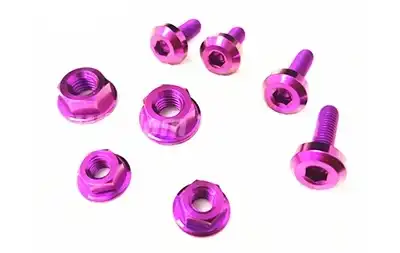
In general, polished titanium hardware lasts longer than regular hardware. The anodizing process makes a thicker oxide layer on the surface of the titanium. This makes it more resistant to rust, better at withstanding wear, and better at protecting against environmental damage. Aside from being naturally strong and resistant to corrosion, raw titanium is even better after being anodized. This makes it especially useful for automotive fasteners, motorcycle parts, and high-performance uses where dependability and long service life are essential. When buying titanium hardware for tough settings, procurement workers can make better decisions when they know how this surface treatment affects longevity.
Titanium Hardware and Anodizing
What Makes Titanium Hardware Special?
Fasteners, bolts, nuts, and other parts made from titanium metals are all examples of titanium hardware. This material stands out in the aircraft, motorcycle, and car industries because it has a great strength-to-weight ratio. It is about 40% lighter than steel but has the same or higher tensile strength. Titanium Grade 5 (Ti-6Al-4V), which is often found in engine bay bolts and brake system fasteners, has a tensile strength of 900 to 1050 MPa (130,000 to 152,000 psi), which makes it perfect for race teams and speed modification shops that want to cut weight without sacrificing structural integrity.
Titanium does not need to be coated to keep it from rusting like steel does. Instead, it makes a natural passive oxide layer that protects it from corrosion in harsh conditions. Because of this, titanium fasteners are useful in marine settings, chemical processes, and high-temperature car systems where regular gear breaks down quickly. Because the material is biocompatible, it can also be used in medical products. However, specialty titanium screws are still mostly used in cars and motorcycles.
How Anodizing Works on Titanium
Anodizing titanium is an electrical process that makes the oxide layer on the metal's surface thicker than it normally is. Titanium anodizing makes an interference layer that changes the way light bends, making bright colors like black, gold, rainbow, blue, and purple without using dyes or paints. Aluminum anodizing makes a porous coating. In an electrolyte bath, voltage controls the thickness of the oxide, which determines the end color and how well it protects.
The anodized layer is usually 10 to 25 nanometers thick, which is much smaller than hard anodizing on other metals. However, it raises the surface hardness from about 200 HV to 400 to 600 HV on the Vickers scale, which is a big increase. This change doesn't change the mechanical qualities of the base metal, so it keeps its tensile strength and fatigue resistance, which are important for high-stress uses like brake caliper screws and wheel hub bolts. This makes the surface non-porous, which keeps titanium's natural resistance to rust and adds protection against wear and UV light.
Titanium Hardware vs. Anodized Titanium Hardware
Corrosion Resistance in Challenging Environments
Raw titanium is already very resistant to rust, but anodizing makes this trait even better. Anodized titanium hardware fasteners last much longer than even high-grade stainless steel in marine settings where saltwater contact speeds up metal breakdown. Case studies from offshore racing boats show that anodized banjo bolts and brake disc fasteners kept their full structural integrity after three years of being exposed to saltwater nonstop, while similar stainless hardware had to be replaced because of pitting and crevice rust.
When moving from raw to anodized hardware, chemical processing plants that use titanium parts to put together equipment report longer service intervals. The improved oxide layer stops chemicals from penetrating and causing hydrogen embrittlement, a type of failure that can happen when titanium that hasn't been treated is exposed to certain acids. Anodized battery assembly bolts are better at stopping rust from electrolyte leaks than other materials, which is also good for automakers who make electric cars.
Titanium's oxide layer continues to heal itself after anodizing, so small scratches on the surface don't affect the metal's ability to resist rust over time. When used in racing, this feature is useful because parts get hit by debris and are handled roughly during pit stops. Even if the colored anodized surface shows signs of wear, the material still protects the base metal.
Wear Resistance and Mechanical Performance
Anodized areas lower friction coefficients, which lowers the chance of galling, which is a common way for titanium to break when it comes into touch with similar metals under pressure. When installing wheel lug nuts and hub bolts, they are clamped down by strong forces, which can cause galling if they are not treated properly. Anodizing lowers this risk, so the right amount of force can be used without damaging the threads. When compared to raw titanium fasteners, modification shops say that anodized fasteners are easier to install and last longer.
Anodizing doesn't change the underlying metals, so it doesn't change the fatigue strength. Anodized and non-anodized Grade 5 titanium samples showed the same S-N graphs (stress versus cycles to failure), which shows that the surface process doesn't change the mechanical properties of the base material. This information reassures race teams and car engineers that anodizing makes things last longer without lowering their strength, which is important for safety-critical uses.
Long-term wear studies that use vibration tests to compare anodized and raw titanium bolts show that the anodized parts loosen much less often. The harder surface doesn't let the tiny moves happen that weaken thread contact over time, so the clamp load stays better for thousands of cycles. This means that motorcycle makers will have to do less upkeep, and performance cars that have to work in harsh conditions will be more reliable.
Maintenance and Lifecycle Considerations
Anodized titanium doesn't need as much upkeep as coated steel screws, which need to be checked for damage and replaced as needed. A simple cleaning with water and light soap can bring back the look of things without the need for harsh chemicals or methods that could damage protection coatings on other materials. Racing teams like how simple it is because it makes pre-race checks easier and cuts down on the time needed to get ready.
This is because the anodized layer stays stable over the lifetime of the part, so it doesn't flake or peel like painted or powder-coated metal does. This stability makes sure that the performance stays the same from installation to retirement. Engineers value this consistency because it helps them figure out safety limits. Automobile companies gain from fewer guarantee claims about fastener rust or loss of look.
A cost study shows that anodized titanium hardware has a higher original purchase price than raw titanium or steel options. However, the lower frequency of replacement and longer service life make the total cost of ownership more favorable. When procurement managers look at lifetime costs, they find that anodized parts often cost less over the course of five years of operation, when labor, downtime, and new part costs are taken into account. This economic benefit is especially important for fleet owners and race groups that keep a lot of high-performance screws on hand.
Procurement Guide: Is Anodized Titanium Hardware Right for Your Business?
Evaluating Your Application Requirements
Analyzing operational conditions, performance needs, and price limits will help you decide if anodized titanium hardware is right for you. Anodized parts are often better for uses where there are acidic conditions, big changes in temperature, weight concerns, or concerns about how they look. Racing teams and shops that make speed modifications see the investment as a good one because it makes the equipment more reliable and requires less upkeep. Depending on a cost-benefit study, standard car assembly with less demanding conditions might be able to use raw titanium or other materials.
The load-bearing needs and safety importance of each application affect the choice of material. Because they play a part in keeping the car safe, brake system parts and wheel fasteners must meet the best quality standards. Anodized Grade 5 titanium is the best choice for these uses because it is strong, doesn't rust, and lasts a long time. For less important artistic uses, cheaper materials might work, unless the visual draw of colored anodized finishes makes the price worth it for marketing reasons.
Supplier Selection and Quality Assurance
Checking the certificates of suppliers is an important part of making sure the quality of the goods. ISO 9001 approval means that quality control systems have been set up, and ASTM B348 compliance for raw materials makes sure that the alloy has the right makeup and mechanical properties. To make sure that standards meet needs, purchasing managers should ask for material certifications and mechanical test results that show the tensile strength, yield strength, and elongation values of the material.
The ability to manufacture has a big effect on the quality and accuracy of the parts. When compared to cheaper options that use cut threads or casting, suppliers who use CNC machining with rolled thread processes make better fasteners. Precision CNC manufacturing makes sure that the sizes and thread profiles are always the same, which stops problems with fitting and early failure. Wisdom Titanium's factory is in Baoji Titanium Valley, which is China's biggest and best titanium industry center. It gives the company access to the whole supply chain, from titanium sponge to finished parts, which helps with quality control and cutting costs.
Cost Analysis and Purchasing Strategies
Anodized titanium screws usually cost 20–40% more than raw titanium ones. The price can change based on the size, complexity, number, and finishing requirements. Buying in bulk lowers unit costs by a large amount, which makes bulk orders appealing for producers whose needs are reliable. Sample orders let you check the quality and fit of parts before you buy a lot of them, which lowers the risk of buying.
Lead times depend on whether the parts are from a regular list or are made to order. Standard sizes usually ship within days from a supplier's stock, but special orders can take up to four weeks to make and finish. By planning your purchases around these dates, you can avoid production delays and high shipping costs that eat away at your cost benefits.
When figuring out the total cost of ownership, you should take into account that anodized parts last longer and need less upkeep. Durable fasteners that last longer between service times are most useful in situations where replacing hardware takes a lot of work or stops operations. When racing teams cut down on mid-season component breakdowns, they get more than just a review of material costs.
Conclusion
By making it more resistant to rust, better at withstanding wear, and better at protecting against environmental damage, anodized titanium hardware is significantly more durable than raw titanium and other materials. The electrochemical anodizing method makes an oxide layer that is harder. This layer increases the service life of the part without changing its strength-to-weight ratio or resistance to fatigue, which are both very good qualities in Grade 5 titanium alloys. Manufacturers of cars, race teams, motorcycles, and shops that make speed modifications can all benefit from colored anodized finishes because they require less upkeep, are more reliable, and let you change the way something looks. To find the best material specs for each use case, procurement decisions should take into account operating environments, application needs, and lifecycle costs.
Source Reliable Anodized Titanium Hardware from Wisdom Titanium
Wisdom Titanium is an expert at making precision-engineered anodized titanium hardware fasteners and custom CNC parts for high-performance, motorbike, and automobile uses. We are an ISO 9001-certified titanium hardware supplier in Baoji Titanium Valley, which is the world's largest titanium production hub. We have full control over the quality of all of our materials, from raw titanium bars to finished anodized parts. Our Grade 5 titanium engine bay bolts are CNC-machined for precision and have rolled threads. They have a tensile strength of up to 1050 MPa and are 40% lighter than steel options.
We offer full customization services for purchasing managers and tech teams that need non-standard sizes or finishing options. Our experienced research and development (R&D) team works with clients to make sure that the designs of parts meet specific performance needs. This is true whether you're looking for brake system screws for automakers or wheel hub bolts for race teams. You can get our parts in black, gold, rainbow, blue, and purple anodized finishes with smooth surfaces. They are long-lasting and look good.
Email our expert team at sales@wisdomtitanium.com to talk about the needs of your project, get material approvals, or set up sample orders. We keep a large stock of standard sizes so that we can send quickly, and our bulk prices are cheap so that you can buy in bulk.
FAQs
Does anodizing reduce the mechanical strength of titanium fasteners?
Anodizing does not weaken the metal in any way. The process adds an oxide layer to the top of the titanium alloy without changing its chemical structure below. Tests show that anodized Grade 5 titanium keeps its full tensile strength of 900–1050 MPa and the same stress properties as the raw material. After anodizing, safety-critical parts like brake nuts and wheel screws keep their full structural integrity.
How often should anodized titanium hardware be replaced in harsh environments?
Anodized titanium parts usually last a lot longer than parts made of other materials in harsh circumstances. Inspection plans should be based on what the manufacturer says is best for the job, but many race teams and automakers say that parts don't need to be replaced for more than five years. Visual checks done on a regular basis show any damage to the surface that needs to be fixed. The self-healing oxide layer protects against rust even with minor cosmetic wear.
Can damaged anodized surfaces be refinished or re-anodized?
Yes, parts with old anodized finishes can be cleaned and re-anodized to make them look good and protect them again. Expertise and special tools are needed for this process, but it works well for making expensive handmade parts. As part of their full customer service programs, some providers offer refinishing services that make high-value titanium hardware pieces last longer.
References
- ASM International. (2015). "Titanium: A Technical Guide, 2nd Edition." Materials Park, OH: ASM International Handbook Committee.
- Dong, H., & Li, X. (2000). "Oxygen boost diffusion for the deep-case hardening of titanium alloys." Materials Science and Engineering: A, 280(2), 303-310.
- Schutz, R. W., & Watkins, H. B. (1998). "Recent developments in titanium alloy application in the energy industry." Materials Science and Engineering: A, 243(1-2), 305-315.
- Peters, M., Kumpfert, J., Ward, C. H., & Leyens, C. (2003). "Titanium Alloys for Aerospace Applications." Advanced Engineering Materials, 5(6), 419-427.
- Rack, H. J., & Qazi, J. I. (2006). "Titanium alloys for biomedical applications." Materials Science and Engineering: C, 26(8), 1269-1277.
- Sul, Y. T., Johansson, C. B., Petronis, S., Krozer, A., Jeong, Y., Wennerberg, A., & Albrektsson, T. (2002). "Characteristics of the surface oxides on turned and electrochemically oxidized pure titanium implants." Biomaterials, 23(2), 491-501.