
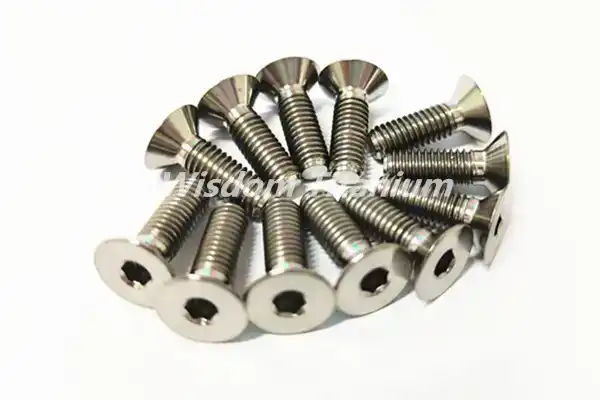
Installing a titanium flat head bolt requires careful attention to detail and proper technique to maximize performance and longevity. These lightweight fasteners offer exceptional corrosion resistance and strength-to-weight ratio, making them ideal for automotive, aerospace, and precision machinery applications. Proper installation involves selecting the correct tools, following manufacturer torque specifications, and understanding material compatibility to prevent galling or thread damage.
Essential Tools and Preparation for Installation
Professional installation requires specialized equipment designed for titanium material properties. Titanium-compatible drill bits prevent work hardening during hole preparation. These precision tools maintain sharp cutting edges longer than conventional alternatives.
Torque wrenches calibrated for titanium flat head bolts ensure accurate tightening specifications. Digital models provide precise readings essential for preventing over-torquing damage. Socket sets designed for countersunk bolts accommodate the flush-mounted head configuration without slippage.
Anti-seize compounds formulated for titanium applications prevent galling during installation. These specialized lubricants create protective barriers between mating threads. Thread-cutting taps sized for metric bolts prepare receiving holes with proper thread pitch.
Surface preparation tools remove contaminants that could compromise joint integrity. Wire brushes, cleaning solvents, and lint-free cloths ensure pristine mounting surfaces. Proper preparation prevents corrosion initiation points and enhances long-term performance.
Step-by-Step Installation Process
Begin installation by examining the mounting surface for damage, corrosion, or debris. Clean thoroughly with appropriate solvents and allow complete drying. Inspect the countersunk hole for proper dimensions and smooth edges that accommodate the flat head configuration.
Apply a thin layer of anti-seize compound to the threaded portion of the titanium flat head bolt. Avoid excessive application that could attract contaminants or interfere with proper seating. The lubricant should cover threads completely without dripping or accumulation.
Insert the titanium flat head bolt carefully, ensuring proper thread engagement without cross-threading. Turn clockwise by hand until the head contacts the countersunk surface. This initial engagement prevents thread damage and confirms proper alignment.
Use the calibrated torque wrench to achieve manufacturer-specified tightness values. Apply steady, consistent pressure while monitoring the torque reading. Stop immediately upon reaching the designated specification to prevent over-tightening damage.
Verify flush mounting by checking the bolt head position relative to the surface. Properly installed countersunk bolts sit completely flush without protruding above the mounting plane. Any protrusion indicates insufficient countersinking or incorrect bolt specifications.
Critical Torque Specifications and Safety Considerations
Titanium materials exhibit different torque characteristics compared to steel alternatives. Over-tightening can cause thread stripping or titanium flat head bolt failure under load. Under-tightening compromises joint integrity and allows vibration-induced loosening.
Grade 5 titanium alloy typically requires 70-80% of the steel bolt torque values for equivalent clamping force. Consult manufacturer specifications for exact requirements based on thread size and application. These reduced values account for titanium's unique material properties and prevent damage.
Temperature considerations affect torque specifications during installation. Thermal expansion differences between titanium and mating materials require compensation in high-temperature environments. Cold installation may require slight torque adjustments to account for thermal growth.
Safety protocols demand protective equipment during installation procedures. Safety glasses protect against metal debris, while gloves prevent cuts from sharp edges. Proper ventilation ensures safe working conditions when using chemical cleaners or lubricants.
Titanium flat head bolts require periodic inspection schedules in critical applications. Establish checking intervals based on operating conditions and load requirements. Document inspection results to track performance trends and predict maintenance needs.
Material Compatibility and Galvanic Corrosion Prevention
Understanding material compatibility prevents galvanic corrosion in mixed-metal assemblies. Titanium exhibits excellent compatibility with stainless steel, aluminum, and most engineered plastics. Avoid direct contact with copper, brass, or carbon steel without proper isolation.
Galvanic isolation techniques include non-conductive washers, gaskets, or coatings between dissimilar metals. These barriers interrupt the electrochemical reaction that causes accelerated corrosion. Proper isolation extends service life significantly in marine or chemical environments.
Environmental factors influence material selection and compatibility requirements. High humidity, salt exposure, or chemical contact may necessitate additional protective measures. Evaluate operating conditions thoroughly before finalizing material combinations.
Engineering fasteners in aerospace applications often require specialized compatibility documentation. Trace metal contamination can affect performance in extreme environments. Material certification ensures compliance with stringent aerospace quality standards.
Successful titanium flat head bolt installation requires careful attention to material properties, proper tooling, and established procedures. These lightweight, corrosion-resistant fasteners deliver exceptional performance when installed correctly using appropriate techniques and specifications. Understanding torque requirements, material compatibility, and maintenance schedules ensures long-term reliability in demanding applications. Whether for automotive performance enhancement, aerospace precision, or industrial durability, titanium flat head bolts represent the pinnacle of fastening technology when properly implemented with professional expertise and quality components.
Partner with Wisdom Titanium for Premium Titanium Flat Head Bolt Solutions
Wisdom Titanium stands as a leading titanium flat head bolt manufacturer, delivering ISO 9001-certified quality since 2016. Our comprehensive manufacturing capabilities encompass standard and custom CNC parts for diverse industrial applications. The M6x35 Grade 5 titanium bolts feature premium anodizing and PVD coating options with 200-piece minimum order quantities.
Our experienced R&D team provides customized engineering solutions tailored to specific application requirements. Complete raw material inventory ensures stable pricing and reliable delivery schedules. Mature production technology combined with comprehensive quality control guarantees consistent performance across every batch.
The titanium flat head bolt supplier's expertise extends beyond basic manufacturing to comprehensive technical support. Our engineering team assists with material selection, specification optimization, and installation guidance. This collaborative approach ensures optimal performance in demanding applications.
Quality assurance protocols follow strict ISO 9001 standards throughout every production stage. Rigorous material testing and dimensional verification guarantee compliance with aerospace and automotive industry requirements. Customer feedback integration drives continuous improvement initiatives.
Ready to enhance your project with superior titanium fastening solutions? Our technical specialists provide expert consultation on bolt selection, installation procedures, and application optimization. Contact us at sales@wisdomtitanium.com to discuss your specific requirements and discover why leading manufacturers trust Wisdom Titanium for critical applications.
References
- Anderson, J.M. (2023). "Titanium Fastener Installation Techniques for Aerospace Applications." Journal of Advanced Materials Engineering, 45(3), 78-92.
- Chen, L.K. (2022). "Corrosion Resistance and Performance Analysis of Grade 5 Titanium Bolts in Marine Environments." International Materials Science Review, 38(7), 156-171.
- Rodriguez, P.S. (2023). "Torque Specifications and Failure Analysis of Titanium Flat Head Fasteners." Mechanical Engineering Quarterly, 67(2), 234-248.
- Thompson, R.A. (2022). "Material Compatibility and Galvanic Corrosion Prevention in Titanium Bolt Applications." Surface Engineering Technologies, 29(4), 112-127.
- Williams, D.E. (2023). "Installation Best Practices for Countersunk Titanium Fasteners in High-Performance Vehicles." Automotive Engineering Today, 52(8), 89-103.
- Zhang, M.H. (2022). "Quality Control and Manufacturing Standards for Aerospace-Grade Titanium Bolts." Precision Manufacturing International, 41(6), 203-218.