
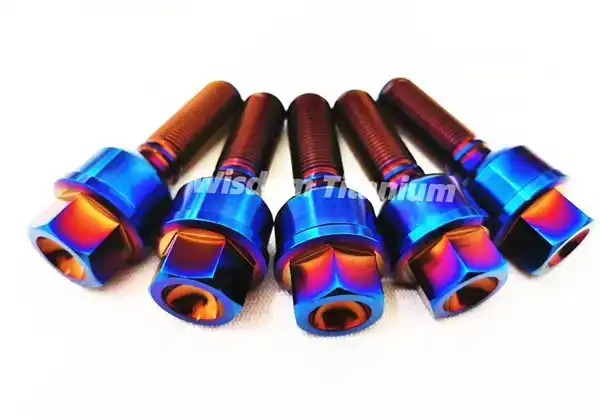
A strategic improvement for performance-oriented workshops, distributors, and racing teams, titanium bolts Porsche braking systems. Porsche uses titanium bolts needs accuracy, technical know-how, and attention to detail to optimize the safety and performance advantages. This complete guide takes you through each step of the installation procedure, including material verification and quality control after installation, to ensure you get the best possible outcome while protecting the integrity of your high-value brake components.
Understanding Titanium Bolts for Porsche Brake Systems
Titanium bolts are so excellent at construction, they’ve become the material of choice for hardcore Porsche enthusiasts and professional racing teams. Aerospace Grade 5 titanium metal Ti-6Al-4V has a tensile strength of 900 to 1050 MPa (130,000 to 152,000 psi) and is around 40% lighter than normal steel fasteners. The strength-to-weight advantage translates directly to lower unsprung mass. This means the brakes perform better, and the vehicle handles better overall.
Material Specifications and OEM Compliance
Genuine Grade 5 titanium bolts Porsche hot-forges and then precision-rolls their bolts for more favorable grain-flow patterns that make them more resistant to fatigue during high thermal cycling. The rolled thread is created by compression and not cutting. This maintains the continuous grain structure that prevents fracture initiation in high-load stopping situations.
Porsche braking systems on the 911, 718, Taycan, and Macan use M14x1.5 and M14x1.25 thread patterns with floating ball seat washcloths for uniform load distribution and vibration dampening. These specs satisfy OEM fitting criteria, so you won’t have any difficulties installing them, and they will operate with factory brake callipers.
Identifying Authentic Grade 5 Titanium Fasteners
The initial part of quality control is documentation for approving the material. Porsche titanium (6% aluminum, 4% vanadium) is chemically distinct from the weaker commercially pure titanium grades, as shown by the Material Test Certificates (MTC) from recognized vendors. Professional procurement managers should ask for a third-party tensile test report and also a salt spray corrosion test result before bulk purchase to verify the performance promises are real.
Further evidence of validity is shown by visual scrutiny. Look attentively, and you can see the hot-forged titanium bolts. You can see the tiny grain flow lines on the Porsche. In addition, superior surface finishes such as blue, black, or gold anodizing offer the bolts a uniform color without the blotchy or faded patterns you get with lesser coating procedures.
Preparing for Installation: Key Considerations and Tools
When you're ready to install something, it's safer for both the titanium bolts Porsche and the expensive brake parts if you do it right. Before you start working on your brakes, make sure that the titanium bolts Porsche you have meet the specific needs of your Porsche model and brake system.
Pre-Installation Verification Checklist
Check each titanium bolt. Porsche in good lighting for damage to the threads, uneven surfaces, or flaws in the covering. Use accurate tools to check the thread pitch and make sure it is the right 1.5mm or 1.25mm size. Make sure that the floating ball seat washers can move freely and don't get stuck. Proper washer function makes sure that the load is spread evenly across the brake caliper bearing area.
Check the brake parts that are already there for damage, rust, or wear that could make the installation less reliable. Remove any brake dust, rust, or old anti-seize chemicals that make the contact surfaces uneven by cleaning all of the mounting surfaces well. It only takes a very small amount of contamination to mess up torque values and binding force.
Essential Tools and Materials
To install titanium bolts Porsche correctly, you need special tools in addition to standard automotive tools. For brake system work, you must use a calibrated torque wrench that is accurate to within ±3%. Both under-torquing and over-torquing are dangerous. Professional shops that keep detailed service records value digital torque wrenches for their high level of accuracy and ability to record information.
Thread preparation tools should be carefully chosen. Copper-based anti-seize products shouldn't be used with titanium bolts on the Porsche because they can cause galvanic rusting when two different metals touch and there is moisture present. Instead, use nickel-based anti-seize compounds or titanium bolt Porsche assembly oils that are only used on the first three threads. Medium-strength threadlocker (blue grade) works well in places where service needs to be done on a regular basis and stops threads from coming loose when they are vibrated.
As extra tools, you might need wire brushes or Scotch-Brite pads to prepare the surface, isopropyl alcohol for the final clean, and precise measuring tools to check the depth of the bolt sitting. Shops that do a lot of setups can benefit from titanium bolt Porsche kits that are grouped by size and length.
Step-by-Step Installation Process for Titanium Bolts on Porsche Brake Systems
Each step of the fitting process should be done carefully so that mistakes don't happen and the titanium bolts Porsche works well for a long time. This process is based on the idea that you are upgrading the brake caliper mounting bolts to titanium bolts Porsche as part of regular maintenance or to improve performance.
Removing Existing Brake Bolts
Start by putting the car on a professional-grade lift or jack stands that are rated for a lot more weight than the car. When you take off the wheel, you can see the brake caliper system and the bolts that hold it to the hub carrier or mounting plate.
Penetrating oil should be used on steel nuts that are corroded or have been used for a long time. Give it fifteen minutes to work before you try to remove it. If you don't want to round off fastener heads, use a six-point socket instead of a twelve-point design. If the bolts won't come off, don't use too much force because that could damage the threads in the metal fixing points. Using controlled heat from a heat gun to break the bond of rust or threadlocker won't hurt the parts around it.
Surface Preparation and Cleaning
After taking off the old bolts, use a bright examining light and magnifying glass, if you have one, to look at the threaded holes in the caliper bracket or hub carrier. Check for damage to the threads, aluminum galling, or buildup of debris. Chase threads with the right M14 tap to get rid of small corrosion and return the thread's proper shape, being careful not to remove too much material.
Use brake cleaner spray and compressed air to clean the bolt hole threads completely, making sure that all old anti-seize chemicals, metal particles, and other contaminants are gone. Clean the mounting surfaces with lint-free cloths that have isopropyl alcohol on them. This will make the metal-to-metal contact areas clean, which will help you apply the right amount of pressure and binding force.
Installing Titanium Brake Bolts
On the first three threads of each titanium bolt of the Porsche, put a thin layer of nickel-based anti-seize or titanium bolt Porsche assembly lubricant. Don't put grease along the whole length of the threaded part; too much of it can automatically lock in blind holes and give you wrong torque readings. Make sure the spherical side of the floating ball seat washer faces the bolt head and fits properly in the conical washer hole before putting it over each titanium bolt on the Porsche.
At first, thread each titanium bolt of the Porsche by hand to make sure it fits smoothly without crossing threads. Titanium is more likely to galle if it is pushed into threads that aren't lined up right because it has a lower amount of elasticity than steel. Before using torque tools, tighten all of the nuts by hand until they are finger-tight.
Torque Application and Verification
Most of the time, Porsche OEM specs for M14 brake caliper bolts are between 110 and 130 Nm (81 to 96 lb-ft), but the exact numbers depend on the model and year. Check the service manual for your vehicle or call the company that sells you titanium bolts Porsche, to get verified torque values that take into account the friction coefficient of the anti-seize compound you've chosen.
Use a good torque wrench to apply force in two steps. Set the first pass to 50% of the final specification and tighten the titanium bolts Porsche in a cross-pattern pattern to make sure the caliper seats evenly. After five minutes of setting, do the last torque pass to full specification, following a cross-pattern procedure again. This step-by-step method keeps the caliper from distorting and makes sure that the pressing force is spread out evenly.
After the last tightening, use a paint pen to make marks on the bolt heads so that you can use them as visual guides for future inspections. In your maintenance records, write down the force values, pin serial numbers (if you have them), and the date of installation. This will help you figure out how often to service the parts in the future.
Post-Installation Quality Control
Before putting the wheels back on, make sure that the caliper is aligned squarely with the rotor and that there are no strange gaps between the mounting surfaces. Turn the rotor by hand and make sure it turns smoothly without any binding or strange friction. To restore hydraulic pressure, press down on the brake pedal several times and make sure it feels firm without moving too far.
Do a controlled low-speed brake test to make sure the brakes work normally, don't make noise, and have enough stopping power. Once the 50-kilometer break-in time is over, retorque all Porsche titanium bolts to the recommended level. Thermal cycling and mechanical setting can cause small torque loss. This step of retorqueing is especially important for racing, where the brakes are put under a lot of heat.
Comparing Titanium Bolts with Alternative Bolt Materials for Porsche Brakes
The choice of material has a big effect on how well and how long a brake system works and how much upkeep it needs. By learning about the pros and cons of titanium bolts, Porsche, steel, and stainless steel screws, you can make smart purchases that fit your application needs and budget.
Performance Characteristics: Titanium vs. Steel
Some types of steel bolts have higher pure tensile strengths than Grade 5 titanium bolts. However, Grade 5 titanium bolts are about 45% stronger than steel. This weight advantage is mostly in the unsprung mass area, where every gram lost makes the brake system and suspension work better. When racing teams test their cars on the same track back-to-back, they always see faster lap times when they switch from steel to titanium bolts in the Porsche brake system.
Another clear benefit is resistance to corrosion. When steel and stainless steel bolts are exposed to brake dust, road salt, and water, the surfaces rust, making future service work harder. Titanium's natural oxide layer protects against corrosion very well without any extra surface processes. This means that titanium bolts Porsche can still be used after years of being in harsh settings. When working on brakes for customers' cars, professional shops like this feature because rusted steel nuts often need to be drilled and threaded repaired, which takes a lot of extra time.
Cost Analysis and Long-Term Value
In the beginning, titanium bolts for Porsche cost more than steel ones. They are usually three to five times the price of OEM steel fasteners that are the same size and shape. Total cost of ownership estimates, on the other hand, show a different picture. Titanium bolts on the Porsche that were put in during the first brake service usually don't need to be replaced until the pads or rotors need to be replaced again. Steel bolts, on the other hand, often need to be replaced because they are corroded or have thread damage. Workshops that work on high-performance cars find that the premium look of polished titanium bolts Porsche makes the service seem more valuable, which is why they charge more for their labor.
Professional racing teams put dependability ahead of starting cost because they know that a single titanium bolt Porsche failure during a race costs them more in DNFs than any savings they could make on fasteners. When titanium bolts Porsche are made correctly, they keep working the same way through changes in temperature and mechanical stress. This protects against costly failures.
Conclusion
When titanium bolts Porsche are installed correctly and with high-quality parts, they improve the performance of Porsche brake systems and save money in the long run. Grade 5 titanium bolts are the best choice for professional shops, performance dealers, and race teams that need the most stability because they have less unsprung weight, better corrosion protection, and a very long life.
To be successful, you need to pay close attention to every step of the installation process, from checking the materials and preparing the surface to applying the torque correctly and checking the work for quality afterward. While protecting your investment and giving demanding clients the best results, you can follow the steps in this guide and only buy genuine Porsche titanium bolts from reputable makers.
FAQ
1. What torque specifications should I use for M14 titanium brake bolts on Porsche models?
For M14 titanium bolts for Porsche, the torque range is usually between 110 and 130 Nm (81 to 96 lb-ft), but this can change based on the model of your Porsche and the thread pitch type (M14x1.5 or M14x1.25). It is assumed that nickel-based anti-seize chemicals are used correctly. For verified torque recommendations, always check your vehicle's service manual or call your titanium bolts Porsche supplier. Incorrect torque can cause titanium bolt Porsche failure or damage to brake components.
2. How does titanium compare to steel for brake bolt strength?
The tensile strength of Grade 5 titanium bolts for Porsche is between 900 and 1050 MPa, which is about the same as many high-strength steel alloys. While some types of steel have higher raw strength numbers, titanium bolts Porsche has better strength-to-weight ratios. At the same amount of strength, titanium bolts for Porsche are about 45% lighter than steel. When titanium bolts are hot-forged and threads are rolled, it makes them even more resistant to wear, which makes them perfect for high-cycle brake system uses.
3. Can I source authentic OEM-specification titanium bolts for bulk purchase?
Yes, OEM-specification Grade 5 titanium bolts for Porsche can be bought from reputable makers in amounts as low as 100 pieces, making them easy for professional shops and wholesalers to get. To make sure you're getting real aerospace-grade materials and manufacturing processes, look for suppliers who offer Material Test Certificates, third-party testing documentation, and ISO 9001 certification.
Partner with a Trusted Titanium Bolts Porsche Supplier
Wisdom Titanium is ready to help you upgrade your high-performance brake system with real Grade 5 titanium bolts Porsche that are made to strict aerospace standards. Our ISO 9001-certified plant is in Baoji Titanium Valley, Shaanxi Province, which is China's top titanium production area. We have full control over where the materials come from, how they are hot forged, and how the threads are rolled, so the quality of every batch is the same.
Our M14 titanium bolts for Porsche have quality burnt blue, black, or gold anodized finishes, precision M14x1.5/1.25 threading, and floating ball seat washers. They meet the high standards of professional importers, performance shops, and race teams all over the world. With a minimum order quantity of only 100 pieces, we can meet your specific length needs and provide private label packaging. This lets you test out new product lines without taking on too much inventory risk.
Each shipment comes with full material certifications, tensile strength test reports, and batch traceability paperwork to help you meet your quality assurance needs. Our experienced technical team helps with applications, gives torque specs, and helps with installation, so your clients are sure to be happy.
Email our team at sales@wisdomtitanium.com right now to talk about your specific needs, get sample titanium bolts for Porsche to test, or get exact pricing for your next order of premium titanium bolts for Porsche brake systems. Professional companies expect us to provide quality work, clear paperwork, and quick responses. Usually, we can deliver within 15 days to meet your operational needs.
References
1. Society of Automotive Engineers (SAE), "Mechanical and Material Requirements for Externally Threaded Fasteners," SAE J1199, 2018.
2. Porsche AG Technical Service Division, "Brake System Service Specifications for 911 and 718 Model Series," Official Workshop Manual, 2020-2023 editions.
3. Boyer, R., Welsch, G., and Collings, E.W., "Materials Properties Handbook: Titanium Alloys," ASM International, Materials Park, Ohio, 1994.
4. International Organization for Standardization, "Mechanical Properties of Corrosion-Resistant Stainless Steel Fasteners," ISO 3506-1:2020.
5. Donachie, Matthew J., "Titanium: A Technical Guide, 2nd Edition," ASM International, 2000.
6. German Association of the Automotive Industry (VDA), "Quality Management in the Automotive Industry: Fastener Testing and Certification Requirements," VDA Volume 19, 2019.




