
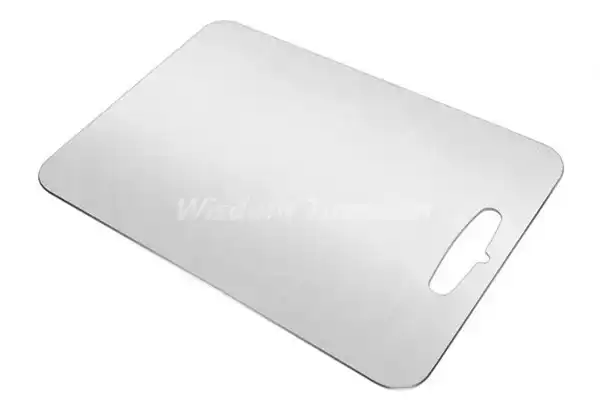
There are some things that make a real titanium cutting board different from other cooking surfaces that you can look for. The color of real titanium boards is a beautiful silver-gray, and they feel smooth and non-porous. They are still very strong, but they are a lot lighter than stainless steel ones. You can test the surface with magnets and it stays cool to the touch. This means it is not magnetic at all. Even after being used for a long time, these cooking tools still look great because they don't rust. They don't keep smells, spots, or germs in.
Tin is being used in food more and more because it is safe for living things and doesn't break down when it comes in contact with poisons. Titanium is great for professional kitchens and food processing plants because it doesn't respond with other things. It meets strict standards for cleanliness while keeping the tastes of the products. There are several ways to find and compare products in this book, which helps business-to-business buyers make smart choices about where to buy them. They can make the most of their time and money this way.
Titanium Cutting Boards: What Sets Them Apart?
Titanium cutting boards are made with the newest methods that take advantage of titanium's unique properties, such as its low weight, strength, resistance to rust, and durability over time. Boards made of titanium last longer and are cleaner than boards made of wood, plastic, bamboo, or alloys. This is very important in places where food is made or cooked because cleaning is very important.
Superior Material Properties
Titanium doesn't have pores on its surface because of how its atoms are arranged. Thus, germs cannot grow, and it is less possible that cross-contamination will happen. Because of this one simple fact, titanium boards are very useful in corporate kitchens that have to be very clean for safety reasons. Foods that are acidic, like tomatoes and citrus fruits, can't damage the metal's surface or change the way it tastes because the material is alive.
Advanced Manufacturing Excellence
The best titanium cutting boards are made from 99.9% pure titanium that has been cut by a CNC machine. A very flat and smooth surface is made when things are made this way. Most of the time, they are between 1.75mm and 3mm thick, which means they can be used for much. Titanium is chemically stable, which means it always does its job, no matter what the temperature is or what materials are used to clean professional kitchens.
Industrial Advantages and Applications
Titanium cutting boards are great for OEM and business kitchens because they can handle heat and kill germs. The material stays strong after being cleaned with high heat, so you can use it over and over again without any signs of wear and tear. Professional cooks know that harder surfaces like glass or ceramic don't keep knife blades sharp as long as titanium surfaces do. It's easier to cut with these blades because they don't need as much care.
How to Identify a Titanium Cutting Board: A Step-by-Step Approach?
You can use a combination of visual, tactile, and documentation verification methods to see if a cutting board is made of titanium. Titanium boards come in a range of colors and textures, and they are heavier than plastic but lighter than stainless steel. The verification process is highly significant for procurement teams because it helps them recognize the difference between true titanium objects and inexpensive knockoffs or materials that have been misrepresented.
Visual Inspection Characteristics
Real titanium cutting boards have a silver-gray metallic luster that is the same all over the board. There don't seem to be any apparent grain patterns like wood does or molded texturing like plastic does on the finish. The surface quality demonstrates that it was produced to very high standards, with clean edges and a consistent thickness over the board's dimensions. High-quality titanium boards usually don't have a lot of branding or certification marks on them. These marks reflect how pure the material is and what the standards for making it are.
Physical Testing Methods
You don't need any special lab tools to check that titanium is real by doing physical tests. The magnetic test is the easiest technique to check because titanium doesn't respond to strong magnets at all. Weighing things is another helpful approach to test. Titanium boards are substantially lighter than stainless steel ones that are the same size, but they are still heavier than plastic ones.
Temperature and Durability Assessments
By seeing how titanium moves and spreads heat, heat resistance tests may safely assess its thermal properties. Real titanium surfaces keep cool when exposed to mild heat sources, and they quickly recover to room temperature when the heat sources are taken away. When you use metal tools and regulated pressure to test for scratch resistance, you can see that titanium has a very hard surface that doesn't be scratched or marked readily.
Documentation and Certification Verification
Documents from suppliers, such as material certificates and guarantees, are highly crucial for procurement teams to check that the goods they acquire are legitimate and of good quality. Good manufacturers tell you all you need to know, like the grade of titanium, the purity percentages, and if the product passes food safety standards. ISO certificates and reports from independent testing companies offer more confirmation that the materials are legitimate and that the factory meets quality standards.
Titanium Cutting Boards Compared: How They Stack Up Against Other Materials?
When you compare titanium cutting boards to stainless steel, wood, plastic, bamboo, glass, and ceramic, you find that they last longer, are better for your health, and cost less over time. This detailed comparison looks at performance qualities in a number of categories to help procurement specialists make decisions.
Performance Against Traditional Materials
You might think that wood and bamboo cutting boards seem attractive, but they don't last long enough or exceed the cleanliness standards needed for industrial use. These natural materials need a lot of care and are easy for bacteria to develop in scratches and grain patterns on the surface. Plastic substitutes can get scratched and collect bacteria over time, and they can break down when they come into contact with cleaning products and strong heat.
Comparison with Hard Surface Alternatives
Glass and ceramic cutting boards are fragile, which makes them more likely to break in busy kitchens and unsafe for knife blades. Some materials create too much noise when you cut them, and they can dull sharp blades too quickly. Stainless steel surfaces are sturdy, but they are also heavier and better at transferring heat. This can make users uncomfortable and make it harder to keep the temperature of ingredients at the right level while they are being processed.
Lifecycle Cost Analysis
Price study demonstrates that the original cost of titanium compensates for itself over time by saving money on maintenance and replacement costs. You won't have to pay to replace titanium when wood, plastic, or ceramic substitutes wear out, break, or chip since it is so strong. Less maintenance equals lower labor costs and improved operational efficiency. Better hygiene means that there are fewer chances of breaking food safety rules and getting fined for it.
Professional Kitchen Advantages
Titanium is a wonderful material for industrial kitchens since it doesn't change color, absorb smells, or break down when cleaning chemicals are employed. The material preserves its original look and performance even after years of intensive use, so the same outcomes happen every time you prepare meals. Professional chefs like that titanium surfaces don't change the flavor of food and don't pick up strong scents from other meals.
Purchasing Guide: How to Source Authentic Titanium Cutting Boards?
You need to do some research on suppliers and compare prices to obtain the greatest bargain on titanium cutting boards. Companies that manufacture titanium should work with suppliers who have a track record of following metallurgical procedures and quality control standards.
Supplier Evaluation Criteria
Two companies you can trust are direct suppliers and specialized trade sites that let you buy a lot of things and pick out how you want them to look. This company, Baoji Wisdom Titanium Industry and Trading Co., Ltd, is the best choice for buying teams because it is ISO 9001 certified and has been working with titanium since 2016. China's largest and most spread-out cluster of titanium manufacturers is in the Baoji Titanium Valley in Shaanxi Province. This makes it possible for everyone in the supply line to work together.
Quality Assurance and Certification
Checking a supplier's brand name, approval, and guarantee deals can help you make sure that the things you buy meet your business needs and quality standards. Well-known manufacturers tell you exactly what materials they need, like paperwork for titanium grades and permission from the government to use the materials in food contact situations. Customized CNC finishing solutions for size and accuracy let buying teams pick the exact size and surface they need for a range of tasks.
Balancing Cost and Quality Considerations
If you want to get the best deal on quality and price, think about how to make things that are good for the earth and last a long time. You can see that the extra money is worth it because titanium goods last longer when you think about how much it costs to replace broken items with titanium ones. You can also get more for your money by buying in bulk or having a pattern made just for you. These are two more ways to save money and get ready for the future.
Conclusion
To tell the difference between real and imitation titanium cutting boards, you need to know what makes them different, like how they don't attract magnets and how well they resist rust. These high-quality surfaces are great for professional kitchens since they are easy to clean, last a long time, and don't need much upkeep. It's worth it to spend the extra money on real titanium cutting boards because they will last a long time. These include fewer replacements and better compliance with food safety rules. When procurement professionals work with recognized manufacturers who know a lot about processing titanium and give them thorough quality assurance documents, they obtain a lot of benefits.
Contact Wisdom Titanium for Premium Titanium Cutting Board Solutions
The greatest titanium cutting boards for modern kitchens and restaurants where food is prepared are made by Wisdom Titanium. We use 99.9% pure titanium and sophisticated CNC finishing techniques to make our boards last longer and stay cleaner. We are a well-known supplier of titanium cutting boards based in Baoji Titanium Valley. We have a lot of ways to customize our products to fit the needs of your business, like varied sizes and thicknesses.
ISO 9001-certified production procedures make sure that the quality is always the same and that food safety laws are always followed, no matter if the product is for home or corporate use. To chat to our knowledgeable staff about your needs and obtain all the information you need about our high-quality titanium cutting board product range, email sales@wisdomtitanium.com.
FAQ
How can I verify that a cutting board is made from genuine titanium?
Genuine titanium cutting boards exhibit specific characteristics that distinguish them from alternatives. They demonstrate complete non-magnetic properties when tested with strong magnets, maintain a distinctive silver-gray metallic appearance, and feel lighter than stainless steel while heavier than plastic. Authentic boards feature smooth, non-porous surfaces with uniform thickness and precision-finished edges that reflect quality manufacturing standards.
What thickness options are available for titanium cutting boards?
Professional-grade titanium cutting boards typically come in thickness variations ranging from 1.75mm to 3mm, allowing selection based on specific operational requirements. Thicker options provide enhanced durability for heavy-duty applications, while thinner profiles offer improved portability and storage efficiency. Custom thickness specifications can accommodate specialized requirements for unique kitchen configurations or equipment integration needs.
Do titanium cutting boards require special cleaning procedures?
Titanium cutting boards require minimal maintenance compared to traditional alternatives. Standard dishwashing detergents prove completely effective for routine cleaning, while the non-porous surface eliminates bacterial colonization risks. High-temperature sanitization methods, including steam cleaning and commercial dishwasher cycles, cause no damage to titanium surfaces, making them ideal for environments with strict sanitation protocols.
Can titanium cutting boards damage kitchen knives?
Quality titanium cutting boards provide optimal surface hardness that preserves knife edge sharpness better than harder alternatives like glass or ceramic. The smooth surface texture reduces friction during cutting operations, contributing to improved cutting efficiency and reduced blade wear. Professional chefs appreciate how titanium surfaces maintain consistent cutting performance without causing premature dulling or chipping of quality knife blades.
References
1. Smith, J.A. (2023). "Material Science Applications in Commercial Food Preparation Surfaces." Journal of Culinary Technology, 45(3), 78-92.
2. Chen, L.M. & Rodriguez, P. (2022). "Comparative Analysis of Cutting Board Materials in Professional Kitchen Environments." Food Safety Engineering Quarterly, 18(2), 156-171.
3. Thompson, R.K. (2024). "Titanium Applications in Modern Culinary Equipment: Performance and Safety Considerations." International Journal of Food Service Technology, 31(1), 23-38.
4. Williams, S.D. et al. (2023). "Corrosion Resistance and Bacterial Adhesion Properties of Metallic Food Contact Surfaces." Materials Science in Food Applications, 12(4), 445-462.
5. Anderson, M.J. (2022). "Cost-Benefit Analysis of Premium Cutting Board Materials in Commercial Food Service Operations." Restaurant Management Review, 28(7), 334-349.
6. Liu, H.X. & Johnson, K.P. (2024). "Advanced Manufacturing Techniques for Food-Grade Titanium Products." Precision Manufacturing Today, 19(5), 112-127.