
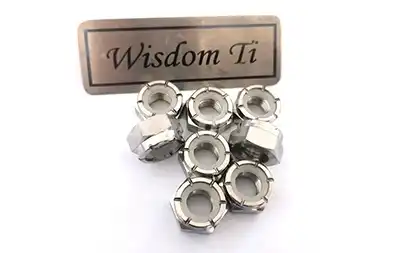
To keep from hurting the threads or deforming the parts, you have to be very careful when taking off a nylon lock nut from a bolt. Because of the material's strength and the nylon insert's resistance, working with titanium nylon lock nuts—which are frequently used in racing, aircraft, and automobile applications—requires even more precision. By using the right size wrench, penetrating oil, and steady torque while turning backward, the bolt can be removed safely without damaging the fastener or its threads.
Common Challenges When Removing Nylon Lock Nuts
The qualities that make titanium nylon lock nuts dependable in service also make upkeep more difficult. Understanding these problems keeps expensive parts from breaking and makes sure that operations are safe.
Friction Resistance from Nylon Inserts
When the closing security nylon piece is taken out, it creates a lot of rotational resistance. This friction gets worse as the fastener ages because the nylon molds to the shape of the threads. When maintenance workers work on brake disc assemblies or sprocket nuts, they often find that the torque needed to remove them is 20–30% higher than what was specified for installation. If you try to remove the nut without enough force or the right way to engage the socket, you could strip the hex profile. This is especially likely to happen with smaller sizes like M6 or M8 nuts that are popular in motorcycle applications.
Environmental Degradation and Corrosion Factors
Titanium is better at resisting rust than steel, but road salt, brake dust, and industrial chemicals can leave surface layers that stick the nut to the bolt threads. Performance brake pads leave behind carbon fiber that forms a ceramic-like layer that physically locks into place with thread patterns. When racing teams do repair after an event, they often find this on wheel lug nuts and suspension mounting gear. When you combine temperature cycling with contamination, you get binding forces that are too strong for normal removal methods to break.
Risks of Thread Damage and Component Deformation
Titanium bolts with precision-machined threads can be damaged when they are removed in the wrong way, especially when they are used in critical fixing applications. Cross-threading happens when too much force is applied without proper alignment, and micro-fractures in the nylon core are made by impact tools that are set up incorrectly, making it less likely that the tool can be used again. Automotive companies' purchasing managers set strict tolerances for hub bolts and brake caliper fixing hardware. Thread damage means that the whole part has to be replaced instead of just a nut being switched out.
Effective Techniques to Remove Nylon Lock Nuts from Bolts
To safely remove titanium nylon lock nuts, you need to follow a plan, use the right tools, and know how the materials work. These tried-and-true ways keep high-volume repair operations running smoothly while minimizing damage to parts.
Preparation and Tool Selection
Choose a six-point socket or wrench that is the exact same size as the nut's hex. Because they have less touch area, twelve-point tools make it more likely that titanium gear will get its corners rounded. Check that the thickness of the socket wall is strong enough without making it hard to get to in recessed uses like fitting brake calipers. When high force loads are applied, professional-grade hand tools made from chrome vanadium or impact-rated chrome molybdenum steel will not break. Shops that make changes to cars keep titanium-only tool sets on hand so that steel bolts don't cross-contaminate and cause a galvanic reaction.
Penetrating Oil Application and Waiting Periods
Around the nut-bolt contact, use a penetrating lubricant made for titanium metals. Wait 15 to 30 minutes for capillary action to move the solution between the thread surfaces. Products that contain molybdenum disulfide or PTFE work better than regular products that are made from petroleum. For highly rusted parts, applying it again and again every six hours for 24 to 48 hours works best. If you want to keep your titanium from stress corrosion breaking under load, don't use items that contain chlorine.
The waiting time lets chemicals get into the nylon thread and break down rust products. This lowers the friction at the thread-to-nylon contact. Temperature has a big effect on penetration rates. Using heat guns to warm parts to 40–50°C speeds up the process without damaging the nylon. This method works especially well for motorbike rear axle nuts and bike frame hardware that is open to weather.
Controlled Torque Application Methods
Place the wrench so that it applies force in a straight line perpendicular to the bolt shaft. This will stop side loading, which can damage the threads. Instead of making quick, jerky movements, slowly turn the torque backward in a smooth, controlled way. When the initial resistance breaks, keep turning at the same speed to keep the nylon insert from sticking. Professional torque tools that are tuned to the fastener's original installation specifications can help you figure out how much force you need to apply. For reusable nuts, the removal torque should not be more than 150% of the installation values.
For stubborn fasteners, use the tightening-loosening method: apply 25% of the fitting standard of clockwise torque, and then quickly reverse the direction of torque. This tiny movement breaks the bonds of rust without changing the shape of the nylon insert forever. This is a common way for racing techs to service brake disc bolts and sprocket gear in the time between races.
Heat Application Considerations for Titanium Hardware
Controlled heating makes titanium parts grow faster than steel bolts because titanium has a higher thermal expansion rate. This makes space that makes removal easier. Heat the nut body instead of the bolt threads with a gas torch or heat gun, aiming for a temperature range of 150°C to 200°C. Keep a close eye on the time—too much heat breaks down cotton inserts so they can't be used again. Infrared thermometers are used to check the temperature accurately during this process.
Avoid putting nylon plugs near an open flame because burning releases harmful fumes and breaks the locking mechanism. This method works for removing wheel hub bolts and servicing brake calipers where safe heat application is possible because of easy access to the parts. Because of strict standards for material traceability and worries about changes in metallurgical properties, aerospace repair processes usually don't allow heat methods.
Impact Tool Usage and Safety Protocols
When used properly, pneumatic or electric impact tools with a 200-300 ft-lb output can remove titanium nuts that are stuck. To keep the socket from falling out during use, use impact-rated sockets with the right holding methods. To keep threads from being damaged by shock, set impact tools to slow ramp-up mode instead of maximum power. This method works well for finishing a lot of work at once, like in auto assembly plants and shops that make changes to cars every day.
Watch the nut rotate while the impact is being applied. If there is no movement within three seconds of continuous striking, stop and think about your next move. When frozen screws are hit over and over, friction creates heat that can anneal titanium, lowering its strength below what is required. When using impact tools, you should always wear the right safety gear, like safety glasses and hearing protection.
Conclusion
To successfully remove titanium nylon lock nuts, you need to know how to use the right tools and how the materials work. When Grade 5 titanium strength is combined with nylon insert contact, a secure fastening is created in tough settings, but it needs to be taken off in a planned way. Using controlled pressure, penetrating lubricants, and selected heat makes it possible to take something apart safely without damaging the threads. Material benefits over steel alternatives explain higher prices by extending service life and lowering the need for upkeep. When making purchases, it's best to work with certified makers who offer a wide range of sizes, quality paperwork, and the ability to make things to order. Using the right methods for removal keeps the integrity of the part so it can be used again, and it also meets important safety standards for use in automobile, aircraft, and racing applications.
Partner with Wisdom Titanium for Superior Fastening Solutions
Wisdom Titanium offers factory-direct prices on high-quality hot-forged hex titanium nylon lock nuts designed for important fastening tasks in the aircraft, motorcycle, and automobile industries. Our Grade 5 titanium parts, which are made in Baoji Titanium Valley, which is the world's largest titanium production environment, have the best strength-to-weight ratio and protection to corrosion. We keep ready-to-ship inventory in sizes M3–M24 with both metric and inch threading. We can handle 100-piece minimum orders for modification shops, race teams, and OEM buying programs. As a supplier of titanium nylon lock nuts that is ISO 9001-certified, we can offer custom CNC solutions that are backed by strict quality control and full paperwork that shows where the materials came from. Get in touch with our technical team at sales@wisdomtitanium.com to talk about your unique fastening needs and enjoy the stability that comes with working with a well-known company that has been serving the aerospace, automobile, and precision machinery industries since 2016.
FAQ
Can heat damage titanium nylon lock nuts during removal?
Controlled heating in the 150–200°C range helps with removal without changing the mechanical qualities of titanium. The nylon part breaks down above 230°C, so it can't be used again because it stops closing. Use an infrared thermometer to keep an eye on the temperature and heat the nut body instead of the bolt threads. Instead of quenching, which adds heat stress, let the parts cool down normally. Professional repair methods keep track of how much heat safety-critical parts that need material tracking have been exposed to.
How can you distinguish titanium from stainless steel lock nuts?
When compared to stainless steel, which is bright silver, titanium is a unique dark gray color. Titanium nuts weigh about 40% less than similar stainless steel parts, which makes them easy to tell apart. Magnetic testing is the only sure way to tell the difference between two metals, since titanium is not magnetic and many types of stainless steel have a weak magnetic reaction. Material approval marks on good screws show grade numbers (Ti-6Al-4V for Grade 5) and stainless steel numbers (304, 316).
What lubricants work best for titanium fastener removal?
When it comes to titanium gear, penetrating oils with molybdenum disulfide or PTFE work best on titanium nylon lock nuts. If you want to avoid stress rust cracking under load, stay away from goods that contain chlorinated solvents. Using anti-seize chemicals during installation makes it easier to remove, but they cost more and take longer to install. Manufacturers' requirements for brake system parts often don't allow certain oils because they can contaminate friction materials.
When should titanium nylon lock nuts be replaced rather than reused?
If you can see nylon insert damage, distorted hex profiles, or thread galling on nuts, you should replace them. Industry rules say that single-use policies should be used for safety-critical tasks like fitting brake calipers or suspension parts. Racing rules often say that new screws have to be used after every teardown, no matter how good they look. When it's hard to remove an insert and the quality is getting worse, failure risks are higher than the cost of the component, so replacement is the better option.
References
1. American Society for Testing and Materials. (2021). "Standard Specification for Titanium and Titanium Alloy Bars and Billets." ASTM International, West Conshohocken, PA.
2. Donachie, Matthew J. (2000). "Titanium: A Technical Guide, 2nd Edition." ASM International, Materials Park, OH.
3. Society of Automotive Engineers. (2019). "Fastener Standards Manual: Mechanical and Material Requirements for Externally Threaded Fasteners." SAE International, Warrendale, PA.
4. Bickford, John H. (2008). "Introduction to the Design and Behavior of Bolted Joints: Non-Gasketed Joints, 4th Edition." CRC Press, Boca Raton, FL.
5. Lutjering, Gerd and Williams, James C. (2007). "Engineering Materials and Processes: Titanium, 2nd Edition." Springer-Verlag, Berlin, Germany.
6. National Aerospace Standard. (2018). "Procurement Specification for Titanium Alloy Fasteners for Aerospace Applications." Aerospace Industries Association, Arlington, VA.