
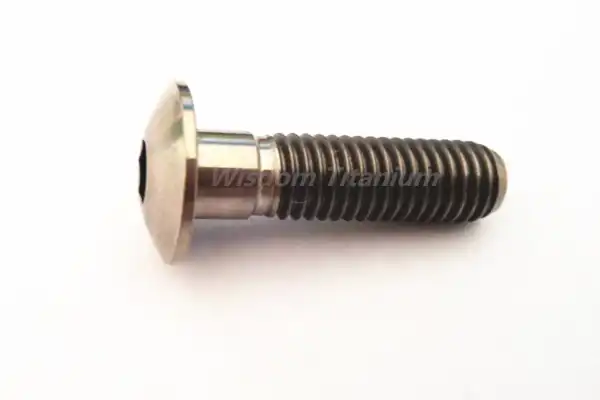
When it comes to maintaining your vehicle's braking system, understanding the proper torque for rotor bolts is crucial. Whether you're a DIY enthusiast or a professional mechanic, getting this right can mean the difference between safe, reliable braking and potential disaster on the road. In this comprehensive guide, we'll dive deep into the world of titanium rotor bolt torque specifications, explore the consequences of improper tightening, and provide you with expert tips for accurate torque application.
Recommended Torque Specifications For Rotor Bolts
Determining the correct torque for rotor bolts isn't a one-size-fits-all situation. The specifications can vary depending on the vehicle make, model, and year. However, there are some general guidelines that can help you navigate this critical aspect of brake maintenance.
For most passenger vehicles, the recommended torque for rotor bolts typically falls within the range of 70 to 140 foot-pounds (ft-lbs) or 95 to 190 Newton-meters (Nm). It's important to note that this is just a general range, and you should always consult your vehicle's specific manual or a reputable automotive database for the exact specifications.
For example, a Honda Civic might require a torque of 80 ft-lbs, while a Ford F-150 could need up to 140 ft-lbs. The variation in torque specifications is due to differences in vehicle weight, brake design, and the materials used in the rotor and bolt construction.
When dealing with high-performance vehicles or those equipped with titanium rotor bolts, the torque specifications might differ. Titanium rotor bolts, known for their strength and lightweight properties, often require less torque than their steel counterparts. This is due to titanium's unique mechanical properties and its ability to maintain clamping force with less applied torque.
Effects of Under- and Over-Tightening Bolts
Properly torquing titanium rotor bolts is not just about following numbers; it's about understanding the consequences of getting it wrong. Both under-tightening and over-tightening can lead to serious issues that compromise your vehicle's safety and performance.
Under-tightening rotor bolts can result in several problems:
- Loose rotors that cause vibration and uneven braking
- Increased wear on brake components
- Potential for bolts to work themselves loose, leading to rotor separation
- Reduced braking efficiency and increased stopping distances
On the other hand, over-tightening rotor bolts comes with its own set of risks:
- Stretched or damaged bolts that can fail under stress
- Warped rotors due to uneven clamping force
- Cracked or damaged rotor hats
- Difficulty in removing bolts during future maintenance
In both cases, the result is compromised safety and potentially costly repairs. This underscores the importance of using the correct torque specifications and proper techniques when installing rotor bolts.
Tools and tips for accurate torque application
Achieving the right torque for your rotor bolts requires more than just muscle; it demands precision and the right tools. Here's what you need to know to ensure accurate torque application:
Essential Tools:
- Torque Wrench: This is your primary tool for accurate torque application. Choose a calibrated torque wrench that covers the range specified for your vehicle.
- Socket Set: Ensure you have the correct size socket to fit your rotor bolts.
- Thread Lubricant: A light coating of thread lubricant can help achieve more consistent torque readings and prevent bolt seizure.
Tips for Accurate Torque Application:
- Clean Threads: Ensure both the bolt threads and the threaded holes in the hub are clean and free from debris.
- Proper Alignment: Make sure the rotor is properly seated on the hub before beginning to tighten the bolts.
- Incremental Tightening: Tighten the bolts in a star or cross pattern, gradually increasing torque in stages until you reach the final specification.
- Final Check: After reaching the specified torque, go around one more time to ensure all bolts are equally tight.
- Avoid Over-torquing: Stop as soon as you reach the specified torque. Over-torquing can damage the bolts or the rotor.
When working with titanium rotor bolts, it's crucial to follow the manufacturer's specific instructions. These high-performance fasteners often require special handling and may have unique torque specifications due to their material properties.
Remember, proper torque application is not just about reaching a number; it's about achieving the right clamping force to ensure your braking system functions safely and efficiently. Taking the time to do it right can save you from costly repairs and potentially dangerous situations on the road.
FAQ
Q1: Can I reuse rotor bolts after removing them?
A: It's generally not recommended to reuse rotor bolts. These bolts are designed to stretch slightly when torqued to specification, which helps maintain proper clamping force. Once removed, they may not provide the same level of security when reused. For safety and reliability, it's best to use new bolts when reinstalling rotors.
Q2: How often should I check the torque on my rotor bolts?
A: While rotor bolts shouldn't loosen under normal circumstances, it's a good practice to check their torque during regular brake maintenance or when you notice any unusual brake performance. If you frequently drive in harsh conditions or participate in high-performance driving, more frequent checks may be necessary.
Q3: Are titanium rotor bolts worth the investment?
A: Titanium rotor bolts offer several advantages, including reduced weight and superior corrosion resistance. For high-performance applications or vehicles where every gram counts, they can be a worthwhile upgrade. However, for most daily drivers, standard high-quality steel bolts are sufficient when properly torqued.
Understanding and applying the correct torque to your rotor bolts is a critical aspect of vehicle maintenance that directly impacts your safety on the road. By following the manufacturer's specifications and using the right tools and techniques, you can ensure your braking system performs optimally and reliably.
For those looking to upgrade their braking system with high-performance components, consider exploring titanium rotor bolts. These innovative fasteners offer a perfect blend of strength, lightweight design, and corrosion resistance. At Wisdom Titanium, we specialize in manufacturing high-quality titanium fasteners, including rotor bolts, that meet the most demanding specifications.
Our Grade 5 Titanium Alloy rotor bolts boast impressive specifications:
- Tensile Strength: Above 950 MPa
- Yield Strength: 880 MPa
- Elongation: 16%
- Weight: 45% lighter than steel
- Temperature Range: -200°C to 400°C
If you're interested in upgrading your vehicle with our high-strength titanium rotor bolts or need more information about our custom CNC parts and fastener solutions, don't hesitate to reach out. Our team of experts is ready to assist you in finding the perfect solution for your needs. Contact us today at sales@wisdomtitanium.com for a quote or to discuss your specific requirements. Let's work together to enhance your vehicle's performance and safety with the power of titanium!
References
- Society of Automotive Engineers. (2021). Torque Specification Guidelines for Automotive Fasteners.
- National Highway Traffic Safety Administration. (2022). Brake System Safety: Maintenance and Performance Standards.
- American Society for Testing and Materials. (2023). Standard Specification for Titanium and Titanium Alloy Fasteners.
- Journal of Materials Engineering and Performance. (2022). Comparative Analysis of Steel and Titanium Fasteners in High-Performance Automotive Applications.
- International Organization for Standardization. (2021). ISO 898-1:2021 Mechanical properties of fasteners made of carbon steel and alloy steel.