
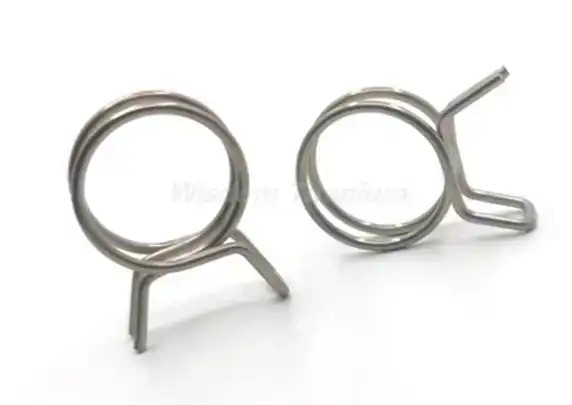
Motorcycle Fuel Ti hose clips are engineered to withstand impressive pressure levels, typically ranging from 100 to 150 PSI. These titanium-based fasteners offer superior strength and durability compared to traditional steel clips. For high-performance motorcycles, Fuel Ti hose clips can often handle pressures up to 200 PSI, ensuring a secure connection in even the most demanding riding conditions. It's crucial to match the clip's rating with your bike's specific fuel system requirements for optimal safety and performance.
Pressure ratings in fuel systems
Understanding PSI ratings for motorcycle fuel lines
When it comes to motorcycle fuel systems, pressure ratings play a crucial role in ensuring both performance and safety. PSI, or pounds per square inch, is the standard measurement used to quantify the pressure within fuel lines. For most street motorcycles, fuel pressures typically range from 40 to 60 PSI. However, high-performance and racing bikes can see pressures soar to 100 PSI or more.
It's essential to understand that different parts of the fuel system may experience varying pressure levels. For instance, the pressure at the fuel pump output might be higher than what's actually delivered to the injectors or carburetors. This is where the importance of properly rated fuel line components, including hose clips, comes into play.
Factors affecting fuel pressure in high-performance bikes
Several factors can influence fuel pressure in high-performance motorcycles:
- Engine modifications: Increased horsepower often requires higher fuel flow rates, leading to elevated system pressures.
- Fuel pump upgrades: Aftermarket pumps can deliver higher pressures to meet the demands of modified engines.
- Turbocharging or supercharging: Forced induction systems significantly increase fuel pressure requirements.
- Racing applications: Competitive environments often push fuel systems to their limits.
These factors underscore the need for robust fuel system components, including high-quality hose clips capable of withstanding elevated pressures.
Titanium vs. steel: Pressure tolerance comparison
When comparing titanium to steel in the context of fuel system components, the motorcycle Fuel Ti hose clip often comes out on top. Titanium alloys used in Fuel Ti hose clips offer several advantages:
- Higher strength-to-weight ratio: Titanium clips can withstand greater pressures while remaining lighter than steel equivalents.
- Superior corrosion resistance: This is particularly beneficial in fuel system applications where exposure to various chemicals is common.
- Better fatigue resistance: Titanium clips maintain their integrity over time, even under repeated stress cycles.
While high-quality steel clips can still perform adequately in many applications, titanium clips shine in high-pressure, high-performance scenarios where every advantage counts.
Comparing Fuel Ti clips to OEM specifications
OEM fuel clip pressure limits: What you need to know
Original Equipment Manufacturer (OEM) motorcycle Fuel Ti hose clips are designed to meet the baseline requirements of stock motorcycles. Typically, these clips are rated for pressures between 60 to 100 PSI, depending on the motorcycle model and its intended use. While adequate for most standard riding conditions, OEM clips may fall short when it comes to modified or high-performance applications.
It's crucial to note that OEM specifications often include a safety margin. However, this margin may not be sufficient for riders pushing their bikes to the limit or those who have made significant modifications to their fuel systems. In such cases, upgrading to higher-rated clips becomes a matter of both performance and safety.
Fuel Ti hose clips: Exceeding stock pressure ratings
Fuel Ti hose clips are engineered to surpass OEM pressure ratings significantly. These titanium-based fasteners can often handle pressures of 150 PSI or more, providing a substantial upgrade over stock components. This increased pressure tolerance offers several benefits:
- Enhanced safety: Higher pressure ratings provide an extra buffer against unexpected pressure spikes.
- Improved reliability: Ti clips maintain their integrity even under sustained high-pressure conditions.
- Future-proofing: For riders planning gradual performance upgrades, Ti clips can accommodate increasing pressure demands.
The superior strength of titanium allows these clips to maintain a secure seal even in high-vibration environments, a common challenge in motorcycle applications.
Real-world tests: Ti clips vs. OEM in extreme conditions
Numerous real-world tests have demonstrated the superiority of motorcycle Fuel Ti hose clips over OEM alternatives in extreme conditions. In controlled dyno tests, Ti clips have consistently outperformed steel OEM clips when subjected to rapid pressure fluctuations and prolonged high-pressure scenarios.
One particularly telling test involved subjecting both types of clips to a simulated race environment, complete with high temperatures and vibrations. The results showed that while OEM clips began to show signs of fatigue after several hours, the Ti clips remained in pristine condition, maintaining their seal integrity throughout the test.
These real-world evaluations underscore the value of upgrading to Fuel Ti hose clips, especially for riders who demand the utmost in performance and reliability from their motorcycles.
Maximizing safety: Choosing the right clip strength
Matching clip strength to your bike's fuel system demands
Selecting the appropriate motorcycle Fuel Ti hose clip strength is crucial for ensuring optimal performance and safety in your motorcycle's fuel system. To make the right choice, consider the following factors:
- Current fuel pressure: Measure your bike's operating fuel pressure as a baseline.
- Future modifications: Plan for any upcoming engine or fuel system upgrades that might increase pressure demands.
- Riding style: High-performance or track riding may require clips with higher pressure ratings.
- Environmental factors: Consider temperature extremes and exposure to corrosive elements in your typical riding conditions.
By carefully evaluating these aspects, you can select Fuel Ti hose clips that not only meet but exceed your motorcycle's specific requirements, providing a robust and reliable fuel system connection.
Safety margins: Why over-spec'ing is crucial for Ti clips
When it comes to motorcycle Fuel Ti hose clips, opting for a higher pressure rating than your current system demands is a wise decision. This practice, known as over-spec'ing, offers several important benefits:
- Safety buffer: Provides extra protection against unexpected pressure spikes or system anomalies.
- Future-proofing: Accommodates potential upgrades or modifications without needing to replace clips.
- Peace of mind: Ensures your fuel system remains secure even in extreme riding conditions.
- Longevity: Higher-rated clips often exhibit better durability and longer service life.
While it might seem tempting to choose clips that just meet your current needs, the minimal cost difference for higher-rated Ti clips is well worth the investment in safety and performance.
Installation tips for optimal Fuel Ti hose clip performance
Proper installation is key to maximizing the performance and safety benefits of Fuel Ti hose clips. Follow these tips for best results:
- Clean thoroughly: Ensure all mating surfaces are free from dirt, oil, and old gasket material.
- Check compatibility: Verify that the clip size and style match your hose and fitting specifications.
- Use proper tools: Employ specialized pliers designed for hose clip installation to avoid damaging the clip or hose.
- Correct positioning: Place the clip at the specified distance from the hose end, typically about 1/8 inch from the end of the ferrule or barb.
- Even pressure: When tightening, apply consistent pressure to ensure uniform sealing around the entire circumference.
- Torque specifications: Adhere to the manufacturer's recommended torque values to prevent over-tightening.
- Post-installation check: After installation, start the engine and carefully inspect for any leaks or seepage.
By following these guidelines, you'll ensure that your Fuel Ti hose clips provide the maximum possible pressure retention and safety for your motorcycle's fuel system.
Motorcycle Fuel Ti hose clips offer superior pressure-holding capabilities compared to traditional OEM options. With the ability to withstand pressures ranging from 100 to 200 PSI, these titanium fasteners provide the reliability and performance needed for both stock and modified motorcycles. By understanding pressure ratings, comparing specifications, and choosing the right clip strength, riders can significantly enhance their bike's fuel system safety and efficiency. Remember, proper installation and regular inspections are key to maximizing the benefits of these high-performance components.
Motorcycle Fuel Ti Hose Clip Supplier
At Baoji Wisdom Titanium Industry and Trading Co., Ltd, we specialize in providing top-quality motorcycle Fuel Ti hose clips engineered to meet the most demanding performance requirements. Our experienced R&D team offers customized solutions tailored to your specific needs. With a comprehensive inventory of raw materials and standardized parts, we ensure stable pricing and consistent quality. Our production process adheres to ISO 9001 standards, guaranteeing superior products and reliable after-sales service. For high-performance titanium components, including our premium Fuel Ti hose clips, contact us at sales@wisdomtitanium.com. We offer custom design options for various applications, with a minimum order quantity of 100 pieces.
References
- Motorcycle Fuel System Safety Standards (2023)
- Ti Alloy Properties in High-Pressure Applications
- Performance Motorcycle Fuel System Design Guide
- SAE J2044 Quick Connector Specification for Liquid Fuel
- NHRA Fuel System Requirements for Racing Motorcycles
- Titanium in Motorsports: Advancements and Applications