
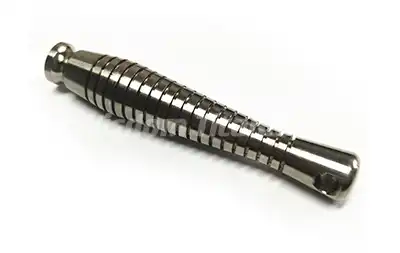
When it comes to titanium CNC parts, the stakes are even higher due to the material's unique properties and wide-ranging applications. ISO 9001 certification plays a crucial role in ensuring the quality of these components. Let's delve into how this international standard impacts the production of titanium CNC parts and why it matters for manufacturers and consumers alike.
Understanding ISO 9001: Key Principles and Standards for Quality Management
ISO 9001 is a globally recognized standard for quality management systems (QMS). It provides a framework for organizations to consistently deliver products and services that meet customer and regulatory requirements. The standard is based on several quality management principles, including:
1. Customer focus
2. Leadership
3. Engagement of people
4. Process approach
5. Improvement
6. Evidence-based decision making
7. Relationship management
These principles form the backbone of a robust quality management system, ensuring that organizations prioritize customer satisfaction, continual improvement, and data-driven decision-making.
For manufacturers of titanium CNC components, ISO 9001 certification demonstrates a commitment to quality at every stage of production. This is particularly important given the challenging nature of titanium machining and the high-stakes applications of these parts in industries such as aerospace, medical, and automotive.
The standard requires organizations to:
- Define and document their processes
- Establish clear quality objectives
- Regularly review and improve their QMS
- Conduct internal audits
- Manage resources effectively
- Monitor customer satisfaction
By adhering to these requirements, manufacturers can create a culture of quality that permeates every aspect of their operations, from design and procurement to production and delivery.
How Does ISO 9001 Certification Impact the Manufacturing Process of Titanium CNC Parts?
The impact of ISO 9001 certification on the manufacturing process of titanium CNC parts is profound and multifaceted. Let's explore some of the key areas where this certification makes a difference:
1. Process Control and Optimization ISO 9001 emphasizes a process approach to quality management. For titanium CNC machining, this translates to carefully documented and controlled manufacturing processes. Manufacturers must:
- Define each step of the machining process
- Identify critical control points
- Establish monitoring and measurement criteria
- Implement corrective actions when deviations occur
This level of control is essential when working with titanium, a material known for its unique machining challenges such as high heat generation and tool wear.
2. Risk Management The standard requires organizations to identify and address risks and opportunities that could affect product quality. In the context of titanium CNC parts, this might include:
- Assessing the risk of tool failure during machining
- Evaluating the impact of material inconsistencies
- Planning for potential equipment breakdowns
By proactively managing these risks, manufacturers can minimize disruptions and maintain consistent quality.
3. Supplier Management ISO 9001 extends quality requirements to the supply chain. For titanium CNC part manufacturers, this means:
- Carefully selecting and evaluating suppliers of raw materials and tooling
- Establishing clear quality criteria for purchased goods
- Regularly assessing supplier performance
This ensures that only high-quality titanium stock and appropriate tooling enter the production process, setting the stage for superior end products.
4. Continuous Improvement
One of the cornerstones of ISO 9001 is the commitment to continuous improvement. In the rapidly evolving field of CNC machining, this principle is particularly valuable. Manufacturers are encouraged to:
- Collect and analyze data on process performance
- Implement new technologies and methodologies
- Invest in employee training and development
For titanium CNC parts, this might lead to advancements in cutting strategies, coolant technologies, or post-processing techniques, all contributing to enhanced quality and efficiency.
5. Documentation and Traceability ISO 9001 requires comprehensive documentation of processes, procedures, and quality records. This is crucial for titanium CNC components, especially those used in critical applications. Proper documentation ensures:
- Consistent production methods across different operators and shifts
- Traceability of parts back to specific production batches
- Easy identification of the root cause of any quality issues In industries like aerospace or medical devices, where component failure could have catastrophic consequences, this level of traceability is indispensable.
Role of ISO 9001 in Enhancing Consistency and Reliability of Titanium CNC Parts
The ultimate goal of ISO 9001 certification is to enhance the consistency and reliability of products and services. For titanium CNC parts, this is achieved through several mechanisms:
1. Standardization of Processes ISO 9001 promotes the standardization of manufacturing processes. This is particularly beneficial for titanium CNC machining, where consistent results depend on precise control of numerous variables. Standardization ensures that:
- Machine settings are optimized and consistent
- Cutting tools are selected and used according to best practices
- Inspection and quality control procedures are uniform
The result is a more predictable output, with less variation between parts and production runs.
2. Error Reduction By implementing robust quality management systems, ISO 9001-certified manufacturers can significantly reduce errors in the production of titanium CNC parts. This is achieved through:
- Clear work instructions and procedures
- Regular equipment calibration and maintenance
- Comprehensive employee training programs
Reducing errors not only improves quality but also minimizes waste and rework, contributing to overall efficiency.
3. Customer-Centric Approach ISO 9001's emphasis on customer focus encourages manufacturers to align their processes with customer requirements. For titanium CNC parts, this might mean:
- Tailoring production processes to meet specific industry standards
- Implementing additional quality checks for critical components
- Providing detailed documentation and certificates of conformity
This customer-centric approach leads to higher satisfaction rates and stronger, more reliable business relationships.
4. Data-Driven Decision Making ISO 9001 promotes the use of data and analytics to drive improvements. In the context of titanium CNC machining, this could involve:
- Analyzing tool wear patterns to optimize cutting parameters
- Tracking defect rates to identify areas for process improvement
- Monitoring machine performance to schedule preventive maintenance By basing decisions on solid data rather than guesswork, manufacturers can continuously refine their processes and improve the quality of their output.
5. Management Commitment Perhaps one of the most significant impacts of ISO 9001 is the requirement for top management commitment to quality. This commitment cascades through the organization, creating a culture where quality is everyone's responsibility. In a titanium CNC parts manufacturing environment, this might manifest as:
- Regular management reviews of quality performance
- Investment in advanced machining technologies
- Recognition and reward of quality-focused behaviors
This top-down commitment to quality ensures that the principles of ISO 9001 are not just a set of rules, but a fundamental part of the organization's DNA. In conclusion, ISO 9001 certification plays a vital role in ensuring the quality of titanium CNC parts.
By providing a comprehensive framework for quality management, the standard helps manufacturers overcome the unique challenges of titanium machining and deliver consistently high-quality components. From standardizing processes and reducing errors to fostering a culture of continuous improvement, ISO 9001 certification is a powerful tool for enhancing the reliability and performance of titanium CNC parts. For organizations seeking to elevate their quality standards and meet the exacting requirements of industries that rely on precision titanium components, ISO 9001 certification is not just a badge of honor—it's a competitive necessity. By embracing the principles and practices outlined in the standard, manufacturers can position themselves as trusted partners in the supply chain, capable of delivering titanium CNC parts that meet and exceed expectations.
As the demand for high-performance, lightweight materials continues to grow across industries, the importance of quality assurance in titanium CNC machining will only increase. ISO 9001 certification provides a robust foundation for meeting these challenges, ensuring that titanium CNC parts continue to push the boundaries of what's possible in engineering and manufacturing.
Are you looking for high-quality, ISO 9001-certified titanium CNC parts for your next project? Look no further than Wisdom Titanium. Our commitment to excellence and rigorous quality control ensures that every component meets the highest standards of precision and reliability. Contact us today at sales@wisdomtitanium.com to discuss your specific requirements and experience the difference that true quality makes.
References:
1. Smith, J. (2022). "The Impact of ISO 9001 on Precision Manufacturing: A Case Study in Titanium CNC Parts"
2. Johnson, A. et al. (2021). "Quality Management Systems in Aerospace: The Role of ISO 9001 in Titanium Component Production"
3. Lee, S. K. (2023). "Continuous Improvement Strategies for Titanium CNC Machining Under ISO 9001 Framework"
4. Brown, R. and White, T. (2022). "Risk Management in High-Performance Materials Manufacturing: An ISO 9001 Perspective"
5. Garcia, M. (2021). "Supplier Quality Management for Critical Aerospace Components: Lessons from ISO 9001 Implementation"
6. Thompson, L. (2023). "The Evolution of Quality Standards in Medical Device Manufacturing: From ISO 9001 to Industry-Specific Requirements"