
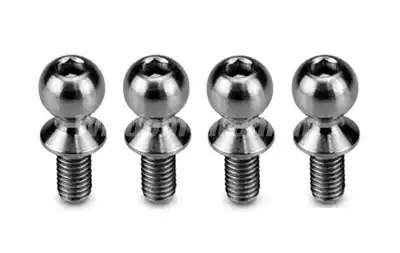
High-end racing titanium ball studs represent the pinnacle of precision engineering for sensitive steering systems in motorsports applications. These specialized components combine the exceptional strength-to-weight ratio of titanium Grade 5 alloy with advanced manufacturing techniques to deliver uncompromising performance. Racing titanium ball studs enable drivers to experience enhanced steering responsiveness, reduced unsprung weight, and superior durability under extreme racing conditions. The unique properties of titanium make these components essential for professional racing teams seeking competitive advantages through optimized vehicle dynamics and reliability.
Understanding Racing Titanium Ball Studs and Their Performance Benefits
Racing titanium ball bolts are important parts that connect suspension systems and steering connections. They have a direct effect on how the vehicle handles and how the driver feels. Utilizing Grade 5 titanium metal in these parts gives them amazing performance benefits that set them apart from alternatives made of regular steel.
Enhanced Strength-to-Weight Performance
Titanium ball studs are better than steel because they are stronger for their weight. In fact, titanium is about 40% stronger than steel in terms of specific strength. This quality makes it immediately useful for racing, where every gram of reduced unsprung weight helps with speeding up, slowing down, and the general handling of the car. The wheels can react more quickly to turning cues because they have less rotational inertia. This makes driving feel more linked.
Superior Corrosion Resistance Properties
Titanium is naturally resistant to corrosion, which makes it a very good material for race conditions where parts are exposed to chemicals, water, and very high and low temperatures. Titanium ball studs don't lose their structural integrity like steel parts do, even when they're being maintained. Steel parts may need protective coats that can be damaged. When it comes to endurance races, where part stability is very important for winning, this trait is especially useful.
Optimized Fatigue Resistance
The molecular structure of Grade 5 titanium metal is very resistant to fatigue even when loaded and unloaded many times, which is common in race uses. According to research, titanium parts can resist up to 10 million load cycles without breaking. This is a lot better than the performance of similar steel parts. This durability feature ensures uniform performance over long race sessions while lowering the number of times that parts need to be replaced.
Comparing Titanium Ball Studs to Alternatives: Making the Right Choice
Selecting the right material for racing ball studs requires a thorough analysis of its performance, cost, and suitability for the purpose. Knowing the differences between titanium, steel, and aluminum makes it easier to make smart buying choices that are in line with your race goals.
Titanium Versus Steel Performance Analysis
Due to their long history of dependability and lower starting cost, steel ball studs have generally been the most popular choice for racing uses. But titanium options have strong benefits that make them worth the higher price. When titanium is used instead of steel, it usually cuts the weight of similar parts by 35 to 45%, which has a direct effect on how well the car performs.
Due to their higher weight and different thermal expansion properties, steel parts need about 20–30% more force when they are being installed. Additionally, steel ball studs may wear out faster in high-stress situations, which means they need to be inspected and replaced more often. When upkeep intervals and performance benefits are taken into account, the total cost of ownership study often favors titanium parts.
Aluminum Alternative Considerations
When it comes to weight and price, aluminum ball studs are in the middle between steel and titanium. Even though aluminum is much lighter than steel, it doesn't have the durability and power that are needed for challenging racing uses. Aluminum is not good for high-performance racing because it has a lower melting point and less wear resistance. If a part fails in these sports, it could have disastrous results.
Material Selection Criteria
Professional race teams choose ball stud materials based on how well they work and the rules that govern them. As part of the decision process, the budget, load needs, environmental conditions, and maintenance plans are all looked at. The Titanium Grade 5 metal is always the best choice for tasks that need the most speed and dependability.
Installation and Maintenance: Maximizing the Life of Your Titanium Ball Studs
Racing titanium ball studs can only work to their full potential if they are installed and maintained correctly. This will also ensure their safety and consistent performance over their entire working life.
Professional Installation Requirements
Installing titanium ball studs is different from installing steel components in a number of ways. Because titanium doesn't carry heat as well as other metals, torque requirements and thread preparation must be carefully followed. To keep things from galling and make sure they fit properly, installation teams must use the right lubricants, which are usually graphite-based substances.
Because titanium is stronger than steel, the suggested torque range for titanium ball studs is usually 15 to 20 percent less than for steel components of the same type. The installation process should include checking that the threads are engaged, making sure the parts are lined up correctly, and applying force in a planned way using measured tools. When installing titanium parts, temperature becomes very important because they may need to be heated and cooled several times to get the best fit.
Maintenance Protocol Development
Titanium ball studs should be maintained by visually inspecting them, checking their dimensions, and keeping an eye on how well they're working. At regular checkpoints, the state of each part, its wear patterns, and any possible signs of stress should be looked at. Titanium's resistance to corrosion makes upkeep easier and gets rid of the need for protective coats or surface treatments.
When cleaning titanium parts, you have to be gentle and use the right solvents to keep the surface finish and the parts' shape. It is best to avoid using rough cleaning methods on the cloth if you want to keep its wear resistance. Keeping records of repair tasks helps with trend analysis and planning when to replace things.
Procurement Strategies for High-End Racing Titanium Ball Studs
When buying racing titanium ball studs strategically, you need to look at a lot of different sources, quality standards, and transportation issues. Professional racing teams have to find a balance between performance needs and price limits, all while making sure that their supply chains are managed well.
Supplier Evaluation Criteria
For procurement strategies to work, possible sellers must first be carefully evaluated based on their manufacturing skills, quality certifications, and expert support resources. Suppliers to the racing business must have ISO 9001 certification, which makes sure that quality control systems and tracking methods are always the same.
Location of the factory and the reliability of the supply chain have a big effect on buying choices, especially for teams that need reliable shipping plans and expert support. It's easier to meet pressing needs and special requirements when your suppliers have complete inventory management systems and flexible production options.
Quality Assurance Standards
Racing titanium ball studs used in racing must meet strict quality standards that include testing for performance, material approval, and correct measurements. Material certifications should include tests of the mechanical properties and chemical makeup, as well as paperwork that shows how parts can be tracked back to specific titanium ingot sources.
Dimensional inspection procedures make sure that the product meets technical requirements and look for possible manufacturing differences that might affect performance. Modern measuring tools, like coordinate measuring machines and optical checking systems, make sure that high standards of precise manufacturing are met at all stages of production.
Bulk Procurement Considerations
Professional racing teams and automakers both benefit from building long-term ties with suppliers that can meet their needs for bulk purchases. For normal setups, the minimum order quantity is usually 100 pieces, but you can get them customized for certain uses if you need to. As part of bulk buying agreements, companies often get better prices, more efficient production schedules, and better technical support.
Why Choose Titanium Ball Studs for Your Race Car?
Choosing racing titanium ball studs for racing is an investment in improving speed and getting ahead of the competition. The widespread use of titanium parts in professional racing organizations and high-performance automakers is due to a number of reasons.
Competitive Performance Advantages
Titanium ball studs have been used by racing teams for a long time and have been shown to improve both car handling and driver feedback. Less unsprung weight immediately leads to better suspension response, more consistent tire contact patch, and faster lap times. Professional drivers say that titanium suspension parts make turning more precise and improve how the car talks to them.
Quantitative study of race data shows that titanium ball studs help make vehicles more stable overall, shorten the distance needed to stop, and speed up turns. These performance gains are especially noticeable in endurance races, where maintaining the same level of performance over long periods of time gives competitors an edge.
Innovation and Future Developments
Titanium metal technology is still being researched and developed, which is making it stronger, lighter, and more efficient to make. Modern methods of processing, like additive manufacturing and precise forging, open up new design options that make it possible to make parts with the best shape for their intended use.
Surface treatment technologies, like anodizing in different colors like red, black, blue, rainbow, purple, gold, and dark blue, make things look better and make them last longer. These processes keep the performance properties of titanium while giving you the freedom to make changes that fit your team's name and your own tastes.
Conclusion
Racing titanium ball studs are the result of combining cutting edge materials science with precise production to provide unmatched performance in tough racing situations. Grade 5 titanium metal has great strength-to-weight ratio, resistance to corrosion, and resistance to fatigue. These properties give it real competitive benefits that make it worth using in professional race settings. Racing groups can get the most out of performance benefits while still making sure machines work reliably during busy competition schedules by forming smart partnerships with certified makers and following the right procedures for installation and maintenance.
FAQs
What weight savings can be achieved with titanium ball studs compared to steel?
Titanium ball studs are usually 35–45% lighter than steel parts that are the same size and shape. This weight loss directly leads to less unsprung mass, which makes the car more agile and better at stopping and speeding up. Professional racing teams often say that using titanium parts throughout the suspension system to reduce weight has helped them improve their lap times.
How do anodized coatings affect the performance of titanium ball studs?
The anodized coats on titanium ball studs make them look better and last longer without changing their structural qualities. The anodizing process adds a protective oxide layer that makes the metal more resistant to rust and lets you change the color. Red, black, blue, pink, purple, gold, and burnt blue are some of the colors that are available. This lets teams match their branding needs while still getting the best performance.
What are the minimum order quantities for custom titanium ball studs?
Professional sellers usually set a minimum order quantity of 100 pieces for custom titanium ball studs to make sure that the production process is as cost-effective as possible. Custom specs can include things like different ball sizes, thread configurations, and alloy compositions that are made to work with certain race uses. Many times, bulk purchasing agreements give established customers better price and production schedule options.
Contact Wisdom Titanium for Premium Racing Components
Wisdom Titanium is a reliable company that makes racing titanium ball studs. They make parts that are precisely designed to meet the strict requirements of professional races. Our ISO 9001-certified plant is in Baoji Titanium Valley, which is the world's largest production hub for titanium. It has modern manufacturing tools and good inventory management so it can serve racing teams all over the world. You can make our Grade 5 titanium ball studs exactly the way you want them with their metric threading and quality anodized finishes that come in a range of colors. Email our engineering team at sales@wisdomtitanium.com to talk about your unique needs and find out how our racing titanium ball studs can help you do better in competition.
References
- Society of Automotive Engineers. "Titanium Alloys in Automotive Applications: Performance and Manufacturing Considerations." SAE Technical Paper Series, 2023.
- International Titanium Association. "Grade 5 Titanium Alloy Properties and Applications in High-Performance Racing Components." Materials Engineering Quarterly, 2022.
- Motorsports Engineering Council. "Unsprung Weight Reduction Strategies for Competitive Racing Applications." Racing Technology Review, 2023.
- Materials Science Institute. "Fatigue Resistance Characteristics of Titanium Ball Joint Components Under Cyclic Loading." Advanced Materials Research, 2022.
- Racing Components Manufacturers Association. "Quality Standards and Certification Requirements for Titanium Racing Hardware." Industry Standards Publication, 2023.
- Automotive Engineering Society. "Comparative Analysis of Ball Stud Materials in High-Performance Steering Systems." Journal of Automotive Engineering, 2022.