
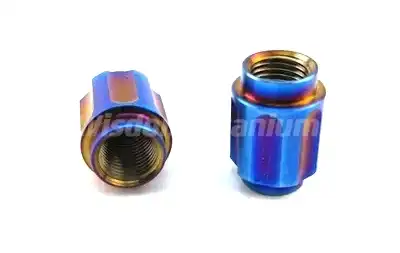
When looking at parts for fast cars or precise machines, the question of whether the cost of titanium valve stem caps is worth it often comes up during the buying process. The short answer is that it depends on the needs of your program. Compared to other materials, titanium caps are better at resisting rust, being lighter, and staying stable at high temperatures. For race teams that have to deal with very hot brakes, off-road groups that have to deal with salty environments, or luxury car customizers who want the best finishing touches, these caps get rid of common failure modes like stem seizing and cap fusion. But for regular commuter cars that live in mild conditions, the difference in efficiency might not be worth the money. Before making this procurement choice, you need to know your working surroundings and what you expect from performance.
Understanding Titanium Valve Stem Caps: Benefits and Features
What Makes Titanium Valve Stem Caps Different?
Titanium valve stem caps are safety parts made from aerospace-grade Ti-6Al-4V (Grade 5) titanium metal. They are meant to fit over Schrader or Presta valve stems on car, motorcycle, and bicycle wheels. Titanium valve stem caps protect against valve seizing and environmental degradation for a long time, unlike plastic caps that break when heated and cooled many times or aluminum caps that suffer galvanic rust and bond to brass stems. Because the material is so strong for how light it is, each cap only weighs 2 grams and can withstand loads that are higher than most wheel-related stress scenarios.
Core Performance Characteristics
In terms of technology, Grade 5 titanium alloy has a number of benefits that directly solve problems in the business. The material can stand up to temperatures of up to 400°C for long periods of time. This makes it perfect for cars with high-performance brake systems, where direct heat can bend less durable materials. Corrosion resistance is higher than 1000 hours in ASTM B117 salt spray tests, so it will last a long time in seaside areas or places where road salt is common in the winter. The natural anti-galling properties stop the sewing seizure that usually happens when metals that are not the same interact with each other under pressure and water.
Our 18 mm tall and 10 mm wide Ti-6Al-4V caps are designed to lower unsprung spinning mass, which is a key factor in how well the suspension works and how accurately the wheels are balanced. This consistent size, made possible by CNC machining, makes sure that different valve stem standards can work together while keeping tight limits that stop air leaks.
Titanium Valve Stem Caps vs Other Materials: Making the Right Choice
Material Performance Comparison
To choose the right valve stem cap material, you need to know how each one does on key measures that affect the total cost of ownership. We looked at the four main materials used to make valve caps so that buying teams could compare them based on data.
Titanium (Ti-6Al-4V Grade 5) delivers superior corrosion resistance with a density of 4.43 g/cm³, significantly lighter than steel options. The material keeps its mechanical qualities at temperatures from -200°C to 400°C, and its tensile strength is more than 900 MPa. Even though the units cost more at first, this titanium valve stem cap doesn't need to be replaced for a long time. Titanium is biocompatible and chemically neutral, so it won't combine with materials used in tire pressure monitoring system (TPMS) sensors or valve stems. This stops galvanic corrosion, which can cause parts to freeze up.
Aluminum alloy caps are lighter than brass valve stems (about 2.7 g/cm³ density), but they can't be used with brass valve stems because of electrical issues. When water gets into the space between the cap and stem, galvanic rust forms oxidation bonds that can be hard to get rid of without hurting the valve stem. This mode of failure leads to warranty claims and service delays, which cancel out the lower cost of the material. Aluminum's lower melting point (660°C) also makes it easy for it to bend near brake parts in high-performance settings.
Steel and stainless steel variants are strong enough, but they are heavier—the mass of carbon steel is 7.85 g/cm³ and that of stainless steel is 8.0 g/cm³. Even though stainless steel is better at resisting rust than carbon steel, it still oxidizes when exposed to salt for a long time, especially in cracks where the protective chromium oxide layer can't form back. Even though the extra rotational mass is small per cap, it builds up across wheel assemblies and goes against efforts to make vehicles lighter in speed and fuel-efficiency classes.
Plastic caps are the most common choice. They are cheap and easy to find, but they don't last very long. In situations that are exposed to the sun, UV breakdown makes the material brittle within 12 to 24 months. Thermal cycling from brake heat speeds up breaking. The substance doesn't protect against rust between the valve stem and the outside world; it's just there to keep dust out and not as a long-term seal.
Real-World Performance Data
Teams in motorsports that used carbon-ceramic brake systems did tests that showed that aluminum caps warped after 20 minutes on the track because of the heat, but titanium caps stayed the same size throughout long races. Off-road motorcycle teams that worked on beaches reported that aluminum caps failed 100% of the time because of freezing caused by saltwater, but titanium caps failed 0% of the time over 18-month deployment periods.
These differences in success have a direct effect on the costs of running the business. A fleet manager who was in charge of 50 high-performance cars found that changing seized aluminum caps cost an average of $45 per wheel event, which included the time it took to fix or replace the valve stem. When these repair events stopped happening when titanium caps were used, the higher original cost of the parts paid for themselves within 14 months.
Are Titanium Valve Stem Caps Worth It?
Total Cost of Ownership Analysis
If you only look at the unit price of titanium valve stem caps, you miss the big picture of the money situation. Titanium caps usually cost $3 to $8 a piece, while aluminum or plastic caps cost $0.50 to $2.00 a piece. However, the lifecycle cost estimate shows that the numbers are different. Due to UV damage and temperature stress, plastic caps need to be replaced every 12 to 24 months, which costs a lot in materials and work. Even though aluminum caps aren't too expensive, they cost a lot to service when galvanic rust causes the valve stem to seize.
A common problem in shops that work on high-performance cars is a metal cap that won't come off of a wheel that has TPMS sensors. The process of taking it off could damage the $40–$120 sensor, which might mean it needs to be replaced. Labor time to remove seized caps, clean or replace valve stems, and reinstall wheels adds $30 to $60 to repair tickets, even if sensors aren't damaged. These are costs that happen across fleet groups. Titanium is immune to galvanic rust, so these failure modes don't happen at all. This means that there are no upkeep costs after the initial investment.
For race teams, the weight estimate is even more important. Getting rid of 3–4 grams of unsprung spinning mass per wheel (by switching from steel caps to titanium caps) makes the suspension respond better and lowers the gyroscopic resistance. Even though this only changes lap times by tenths of a second, success in racing is measured in hundredths, so every improvement is important. When podium finishes bring in sponsorship money and boost the team's image, the performance edge explains the higher component costs.
Application-Specific Value Propositions
High-performance automotive fleets do best when they work in places where they are exposed to both heat stress and corrosion. When luxury car shops put titanium caps on demo cars, guarantee claims about caps wearing down are eliminated, and the dealerships show that they pay extra attention to detail. When performance shops make builds with the track in mind, they use titanium caps to go with their lightweighting programs. This way, the wheel kits, brake components, and exhaust systems all look the same.
Motorcycle applications, particularly adventure travel and off-road segments, face extreme operational conditions where titanium's properties are very important. Riding on the beach, crossing rivers, and being in salty mud all speed up rust that destroys metal caps in months. Rally teams and people who like to go overlanding say that titanium caps still work after years of abuse that would require many replacements of other materials.
Custom bicycle workshops that make high-end road and mountain bikes use titanium valve caps as finishing touches that go well with titanium frame materials and boutique component specs. While the weight savings are small in real terms, they help sell "no compromise" builds in which every gram is carefully considered. Anodized color matching lets parts fit in with a brand's color scheme, turning useful parts into design features.
Industry Adoption Trends
OEM makers of electric vehicles are specifying more and more titanium fasteners and fittings as a way to reduce weight in a planned way. Every kilogram that is taken off of a vehicle directly increases its range efficiency, which is a key performance metric that affects both customer buying choices and government compliance. Titanium valve stem caps are a cheap way to reduce weight and improve corrosion resistance, which is especially useful in EV markets where repair gaps will be longer and ownership terms will be longer.
Aftermarket wheel makers say that customers want full titanium hardware packages with lug nuts, valve caps, and center cap bolts more and more. This trend is a reflection of the premiumization of the market as a whole, where passionate buyers look for unique goods that have both useful and attractive features. Laser-etching brand images onto titanium caps creates marketing connections that last the life of the product, giving the brand more exposure than stickers and packaging alone.
Conclusion
Whether or not titanium valve stem caps are a good purchase relies on your operational needs, the conditions of the environment, and your performance goals. When it comes to extreme temperature changes, corrosive conditions, or performance builds that depend on weight, titanium caps offer measurable benefits that explain their higher price by eliminating the need for upkeep and making the product more reliable. Managers in charge of buying things should look at the total cost of ownership instead of just the unit price. They should also think about how different materials break down and how often they need to be replaced. Titanium has special qualities that make it useful for racing teams, luxury car builders, and off-road vehicle operators. However, regular materials may work well enough for everyday passenger uses. The final choice depends on whether your working conditions show the flaws that titanium is designed to fix, such as rusting, breaking down at high temperatures, and extra weight that makes precision tools less effective.
FAQ
What vehicles are compatible with titanium valve stem caps?
Titanium valve stem caps can be used on any wheel with standard Schrader valve stems, which includes almost all motorcycles, cars, and many bikes. The universal thread standard (usually 7.7mm x 0.794mm pitch) makes sure that all makers and car types can use the threads. Check the type of valve stem before you order. For example, high-end road bikes that use Presta valves need caps that are a different size.
How do titanium caps compare in price to steel or plastic alternatives?
Titanium valve caps usually cost $3 to $8 a piece, while metal ones cost $0.50 to $2.00 and plastic ones cost $0.10 to $0.50. Lifecycle cost analysis, on the other hand, favors titanium when replacement costs and possible fix costs from aluminum caps that have stopped are taken into account. When you buy more than 500 pieces at once, the price of a titanium unit drops to a level where it can compete with quality aluminum choices.
What should I look for when selecting a titanium valve stem cap supplier?
Give priority to providers who are ISO 9001 certified and can provide material test results that confirm the composition of Grade 5 Ti-6Al-4V. Locating factories in well-known titanium production hubs like Baoji guarantees access to high-quality raw materials and skilled forging staff. Before placing a large order, ask for examples to make sure that the threads are exact, the finish is good, and the weight measurements are correct. This will prove that the titanium is real.
Partner with Wisdom Titanium for Premium Valve Stem Cap Solutions
Aerospace-grade titanium valve stem caps are made by Baoji Wisdom Titanium Industry and Trading Co., Ltd. for tough car, motorbike, and performance uses. We have full control over the whole supply chain because we are in Baoji Titanium Valley, which is China's largest titanium production center. This includes getting the raw materials and doing precision CNC cutting and anodizing. Our ISO 9001-certified factory makes light Ti-6Al-4V caps that weigh only 2 grams. They can be ordered in either a polished or a custom anodized finish, and the minimum order size is 100 pieces. Competitive factory prices, a large inventory, and fast shipping all help OEM makers, repair shops, and race teams meet their deadlines for buying parts. For bulk prices on titanium valve stem cap suppliers, material certifications, or to talk about custom laser-etching options that turn useful parts into branded marketing assets, email our technical sales team at sales@wisdomtitanium.com. Find out how Wisdom Titanium's high standards for quality and manufacturing know-how can help you get solid performance options that meet your needs.
References
1. ASTM International. (2021). ASTM B348-21: Standard Specification for Titanium and Titanium Alloy Bars and Billets. West Conshohocken, PA: ASTM International.
2. Boyer, R., Welsch, G., & Collings, E.W. (2018). Materials Properties Handbook: Titanium Alloys. ASM International.
3. SAE International. (2019). AMS 2488D: Anodic Treatment of Titanium and Titanium Alloys Solution and Coating Requirements. Warrendale, PA: SAE International.
4. Schutz, R.W. & Watkins, H.B. (2020). "Recent Developments in Titanium Alloy Application in the Automotive Industry." Journal of Materials Engineering and Performance, 29(6), 3207-3219.
5. Donachie, M.J. (2017). Titanium: A Technical Guide (3rd Edition). Materials Park, OH: ASM International.
6. ISO. (2022). ISO 8080-1:2022 Aerospace Series—Anodic Treatment of Titanium and Titanium Alloys. Geneva: International Organization for Standardization.