
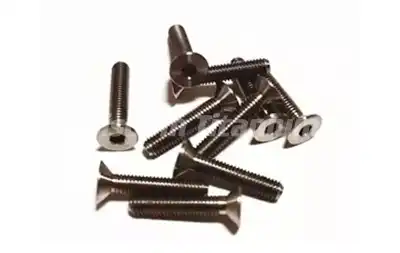
If you buy your M3 titanium bolts from a reliable source, they should have a Mill Test Certificate. Your order's unique specifications and the supplier's quality standards determine if Mill Test Certificates (MTCs) are available. For Grade 5 M3 titanium bolts, reputable companies like Wisdom Titanium provide thorough MTCs, guaranteeing full traceability and conformity with industry norms. Procurement experts in the aerospace, automotive, and precision equipment industries may rest easy knowing that these credentials confirm the chemical make-up, mechanical qualities, and production quality of every batch.
What Is a Mill Test Certificate and Why It Is Essential for M3 Titanium Bolts
Titanium fasteners are accompanied from the production site to the end user by a Mill Test Certificate, a complete quality document. Each batch of production has its own unique certificate that confirms its material composition, mechanical qualities, and manufacturing conformity.
Essential Components of Mill Test Certificates
Complete traceability and quality assurance are made possible by the crucial data components included in Mill Test Certificates. The precise proportions of titanium, vanadium, aluminum, and trace elements found in the raw material are detailed in the chemical analysis section. Standardized test protocols are used to quantify mechanical properties such as hardness, elongation percentages, yield strength, and tensile strength.
If there are any quality problems, the certificate may be quickly tracked down thanks to the batch identifying numbers that associate it with particular manufacturing runs. The heat treatment records show the cooling rates and temperature cycles that were employed in the procedure, which affect the mechanical qualities that were ultimately produced. The bolts are found to be in compliance with the drawing requirements and tolerances based on the dimensions and surface finish parameters.
Compliance and Regulatory Requirements
To prove compliance with regulations, industries like aircraft, automobiles, and medical devices need extensive paperwork. In order to pass quality audits and get certification, MTCs are required as proof. These certifications prove that M3 titanium bolts are up to snuff according to certain industry requirements, including AS9100 for planes and cars or ISO/TS 16949 for truck parts.
Documentation that tracks materials from raw ingot to completed fastener is required for traceability in regulated sectors. This vital connection is provided by Mill Test Certificates, which allow producers to show that they were careful while choosing and processing their materials. When investigating material qualities and production procedures is necessary for product liability or warranty claims, this paperwork becomes very important.
Do M3 Titanium Bolts Typically Come with a Mill Test Certificate?
Supplier type, order quantity, and customer needs all play a role in the wide range of industry practices when it comes to Mill Test Certificate supply. Procurement experts can better set reasonable expectations and sourcing methods when they have a firm grasp of these differences.
Standard Practice Among Professional Suppliers
As a matter of course, MTCs are frequently supplied by well-established titanium fastener manufacturers for their precise goods. When it comes to quality assurance and compliance, clients of high-performance application companies know they need detailed documentation. Automatic MTC generation is a feature of these vendors' high-tech quality management systems.
Standard MTCs differ in the amount of information provided by different vendors. Full chemical analysis, mechanical test findings, and data for dimensional verification are all part of the extensive certifications provided by premium manufacturers. Complete documentation packages are available from certain vendors at an extra cost, while others provide shorter certifications containing just necessary attributes.
Custom Orders vs. Standard Inventory
Because of the unique requirements of titanium bolt production, MTCs are virtually always included in customer orders. It is common practice for suppliers to do extra quality testing and documentation when manufacturing bolts according to particular client specifications. Completion of mill test certification data is an inevitable byproduct of a bespoke manufacturing environment.
Depending on the supplier's business strategy, MTCs may or may not be standard inventory items. In an effort to keep their prices low, some wholesalers sell bolts without certificates; nonetheless, specialized vendors sometimes give certificates as an extra service. To prevent unpleasant surprises upon delivery, procurement experts should make sure to establish documentation needs throughout the quote process.
Verification and Authentication Procedures
Verifying Mill Test Certificates necessitates a thorough investigation of the document's components and the legitimacy of the source. The hallmarks of a valid certificate are the official letterhead, the authorized signatures, and the verification contact details. There should be some fair fluctuation within the specified ranges, and the results should match with what is known about the material characteristics of Grade 5 titanium.
An extra layer of assurance may be offered by comparing batch numbers with manufacturing data from suppliers. Reliable vendors are quick to react to authentication requirements and keep records that are easy to retrieve. The verification processes that procurement teams put in place for their supply chains should strike a balance between being exhaustive and working within realistic time limits.
Comparing M3 Titanium Bolts With and Without Mill Test Certificates in Procurement
A cost-benefit analysis of certified vs. uncertified titanium fasteners must take risk management and regulatory regulations into account. To make educated procurement selections, one must comprehend the ramifications of each method.
Risk Assessment and Quality Assurance
Procurement teams need to thoroughly assess the risks associated with buying M3 titanium bolts without MTCs. Since purchasers do not have access to third-party verification of material qualities and production standards, quality uncertainty is a major issue. Performance failures in mission-critical systems, caused by this uncertainty, may lead to expensive repairs, downtime, or safety problems.
When material traceability and documentation are mandated by regulatory requirements, compliance hazards arise. Aerospace and medical device industries, for example, need detailed records for audits and certifications. Delays in project approval procedures or the need for costly third-party testing to confirm material qualities might result from the lack of MTCs.
Cost-Benefit Analysis
Mill Test Certificates may increase the basic cost of titanium fasteners by 5-15%, however this can vary by supplier and level of documentation. Producing trustworthy certifications requires extra testing, paperwork, and quality assurance procedures, which are reflected in this price. The expenditure may seem excessive at first, but the long-term benefits of increased dependability and less risk usually make it worthwhile.
In most cases, the certification premium is dwarfed by the cost of failure. Buying uncertified fasteners could save you money in the short term, but the costs of warranty claims, product recalls, and liability exposure can quickly add up. Because thorough documentation shows that the materials were carefully selected and that quality was ensured, certified products may also be preferred by insurance companies.
Supplier Reliability and Brand Trust
Suppliers who reliably provide MTCs show that they care about their customers beyond just the sale. These businesses usually have top-notch quality management systems, buy state-of-the-art testing gear, and staff themselves with competent technicians. Having complete paperwork to back your items shows that you have faith in the production process and the quality of the materials.
When it comes to titanium fasteners, documentation methods and quality standards tend to go hand in hand with brand reputation. Reputable manufacturers are chosen for challenging applications because to their constant quality and dependable service. The advantages of having a procurement relationship with a qualified supplier include priority allocation in the event of material shortages, faster delivery, and access to technical assistance.
How to Source and Purchase M3 Titanium Bolts with Mill Test Certificates?
Procurement best practices, supplier capabilities, and market dynamics must be understood in order to develop effective sourcing strategies for certified titanium fasteners. In order to have approved items available when required, it is important to establish ties with competent suppliers.
Identifying Qualified Suppliers
Certifications, infrastructure, and technological know-how are the hallmarks of reputable titanium fastener suppliers. Systematic quality management techniques are shown by ISO 9001 certification, while industry-specific compliance skills are demonstrated by AS9100 or ISO/TS 16949 certification. Additional information on testing capabilities, quality control methods, and manufacturing processes may be gleaned via facility audits.
Because being close to a supplier may cut down on transportation costs and lead times, geography plays a role in supplier selection. Unfortunately, obtaining titanium from well-established production centers is generally necessary due to the specialized nature of the material's processing. One of the most extensive titanium manufacturing clusters in the world is located in Shaanxi Province's Baoji Titanium Valley, which provides integrated supply chains for everything from raw materials to completed fasteners.
Procurement Best Practices
Accurate and transparent communication is key to a successful procurement process for certified titanium bolts. The amount of information required, the acceptable turnaround time for documentation, and any other MTC criteria should be included in the purchase order. Without postponing delivery timelines, early involvement with suppliers gives time for any required testing or documentation preparation.
The price and quality of service for certified fasteners are both affected by volume factors. Comprehensive testing and documentation are usually justified for larger purchases, but small volumes may incur costs for each certification. If you have regular needs, you may save money and get better service by setting up preferred supplier agreements or blanket purchase orders.
Lead Time and Production Planning
The normal turnaround time for titanium bolts with thorough MTCs is 7–15 days from the time an order is placed until they are sent. The following timetable encompasses the following activities: material preparation, production, testing, and documentation development. While expedited orders are available at an additional cost, we recommend sticking to our usual lead times to guarantee complete documentation and quality control.
Material supply limits should be considered during production planning, especially for specialty grades or sizes. The demand for titanium in the aerospace sector and the state of the worldwide supply chain might cause fluctuations in the availability of this raw material. One way to reduce the impact of these risks is to maintain strategic inventory levels or set up long-term supply arrangements.
Conclusion
Mill Test Certificates are crucial pieces of paperwork for M3 titanium bolts used in industrial settings. They attest to the material's qualities, the quality of the production process, and the bolts' conformity with regulations. Although not all suppliers include MTCs into their normal practices, respectable manufacturers understand their significance in gaining client trust and meeting regulatory obligations. In most cases, the benefits of decreased risk, improved dependability, and easier compliance procedures more than make up for the higher cost of certified fasteners. Those in charge of procurement should give preference to vendors that show a dedication to quality via organized testing capabilities and thorough documentation.
Partner with Wisdom Titanium for Certified M3 Titanium Bolt Solutions
Wisdom Titanium delivers premium Grade 5 M3 titanium bolts with comprehensive Mill Test Certificates, ensuring complete traceability and compliance for your critical applications. Our ISO 9001-certified manufacturing facility in Baoji Titanium Valley produces precision fasteners with machined heads and rolled threads, available in lengths from 5mm to 30mm with 7-15 day production times. As a trusted m3 titanium bolt supplier, we provide expert technical support, competitive pricing, and reliable quality documentation for automotive, aerospace, and precision machinery applications. Contact our team at sales@wisdomtitanium.com to discuss your certified titanium fastener requirements and experience the Wisdom Titanium advantage.
FAQ
Can I Request MTCs for Custom M3 Titanium Bolt Sizes?
Custom M3 titanium bolt orders almost always include MTCs as part of the manufacturing process. When suppliers produce fasteners to specific customer requirements, they typically perform comprehensive testing and generate detailed certificates covering chemical composition, mechanical properties, and dimensional verification. The custom manufacturing environment naturally creates the data needed for thorough documentation.
How Can I Verify the Authenticity of Mill Test Certificates?
Authentic MTCs include official letterhead, authorized signatures, and supplier contact information for verification purposes. The data should align with known Grade 5 titanium properties and show reasonable variation within specification limits. Cross-referencing batch numbers with supplier production records provides additional verification. Reputable suppliers maintain accessible records and respond promptly to authentication requests from customers.
What Is the Price Difference Between Certified and Uncertified M3 Titanium Bolts?
Mill Test Certificates typically add 5-15% to the base cost of titanium fasteners, depending on the supplier and documentation comprehensiveness. This premium reflects additional testing, documentation, and quality assurance processes. However, the long-term value often justifies this investment through reduced risk, enhanced reliability, and simplified compliance with regulatory requirements in demanding applications.
References
1. ASTM International. "ASTM F467 Standard Specification for Nonferrous Nuts for High Temperature or High Pressure Service and Other Special Purpose Applications." ASTM Book of Standards, Volume 02.04.
2. International Organization for Standardization. "ISO 3506-1 Mechanical Properties of Corrosion-Resistant Stainless Steel Fasteners - Part 1: Bolts, Screws and Studs." ISO Standards Catalogue.
3. ASM International. "Properties and Selection: Nonferrous Alloys and Special-Purpose Materials." ASM Handbook, Volume 2, Materials Park, Ohio.
4. Boyer, R.R., Welsch, G., and Collings, E.W. "Materials Properties Handbook: Titanium Alloys." ASM International, Materials Park, Ohio.
5. Aerospace Industries Association. "AS9100D Quality Management Systems - Requirements for Aviation, Space and Defense Organizations." SAE International Standards.
6. American Society for Quality. "Quality Management Principles and Mill Test Certificate Requirements for Metal Manufacturing Industries." ASQ Quality Press, Milwaukee, Wisconsin.