
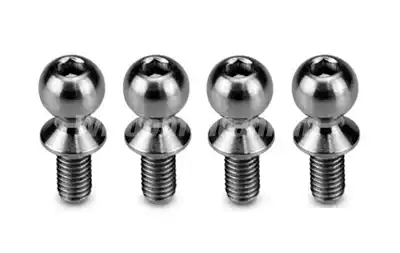
Different types of titanium ball studs for different RC car suspensions are an advanced engineering answer that improves race performance by using high-quality materials. Racing titanium ball studs have the best strength-to-weight ratios and are also very resistant to rust, which makes them a must-have for competitive RC use. These carefully designed parts give serious racers the dependability and performance benefits they need in a wide range of suspension designs and racing situations.
Understanding Titanium Ball Studs and Their Role in RC Car Suspensions
Racing titanium ball studs are important pivot points in suspension systems because they allow smooth movement while putting up with huge stresses during high-speed moves. Because titanium Grade 5 has special qualities, these parts are very useful in racing, where every gram counts and dependability can't be ignored.
Superior Material Properties Transform Performance
Titanium Grade 5 has extremely unique engineering properties that make it stand out from other materials. The tensile strength of these ball studs is over 130,000 PSI, and they are about 40% lighter than steel in terms of density. This makes them the perfect mix between strength and weight. The natural resistance to rust of the material means that it will work well in a wide range of environments, from dirty off-road tracks to humid indoor racetracks.
Titanium's solid structure makes it very resistant to wear. This means that ball studs can go through millions of stress cycles without breaking. This longevity is very important in professional racing, where suspension parts are constantly being loaded and unloaded during acceleration, cornering, and jumps.
Enhanced Suspension Response and Vehicle Dynamics
Racing titanium ball studs make a big difference in how the suspension responds and how its design is set up. Because they are lighter than steel options, they have less unsprung weight, which lets the springs and dampers respond more accurately to changes in the track. Better traction, more stable turning, and more predictable handling are all direct results of this increased response.
CNC-machined titanium allows for very precise production tolerances that ensure the ball joint works consistently with little play or locking. When racing teams fine-tune damper settings for different track conditions or racing styles, this level of accuracy is very important.
Key Specifications of Titanium Ball Studs for Various RC Car Suspension Types
After learning about the technical details of racing titanium ball studs, you can make smart purchases that meet your performance needs and fit your suspension setup. Each design measure affects how well and how compatible the system is as a whole.
Thread Types and Dimensional Standards
Metric threading is the most common standard for RC racing uses because it allows for safe attachment and stays compatible with a wide range of suspension designs. Standard metric bolts from M3 to M8 can handle a range of RC scale classes and suspension loads. The exact thread pitch makes sure that the threads connect securely and makes servicing easy during races.
Customizing the ball width gives you a lot of options for different suspension shapes and load needs. The most common sizes range from 3 mm for light uses to 8 mm for heavy-duty racing. How the ball width and thread size relate to each other has a direct effect on how the load is distributed and how long the joint lasts.
Anodized Coating Options and Performance Benefits
For race purposes, anodized surface finishes are both aesthetically pleasing and useful. Red, black, blue, rainbow, purple, gold, and burnt blue finishes are all available, so teams can match parts to their race uniforms or the colors their company prefers.
Anodized coats do more than just look good; they also make the surface harder and protect against rust. The electrolytic process makes an oxide layer that lasts a long time and doesn't wear away while keeping the good qualities of the titanium underneath. This covering is especially helpful for outdoor races where dealing with dirt and water is a constant problem.
Weight Optimization and Load Capacity
Titanium Grade 5 has an amazing strength-to-weight ratio that lets you save a lot of weight without sacrificing structural integrity. A normal titanium ball stud weighs about 60% less than a steel one of the same size and shape, but is just as strong or stronger. This weight loss immediately leads to better power-to-weight ratios and better rapid performance.
When figuring out load capacity, you have to take into account both steady and moving forces that happen during the race. When loaded and unloaded over and over, titanium ball studs do very well. They keep their structural integrity even after being stressed over and over again in ways that would cause other materials to fail due to wear.
Choosing the Right Titanium Ball Studs Based on Suspension Needs
When choosing the right racing titanium ball studs, you need to think carefully about the type of racing, the suspension design, and your performance goals. Different race settings put different stresses on suspension parts, so specific requirements are needed to get the best results.
Off-Road Racing Applications
Off-road RC racing puts suspension parts through tough situations like falling hard, being hit by debris, and having different surfaces that grip the track. Because of these tough conditions, the ball studs need to be able to withstand impacts better and last longer.
In off-road situations, bigger ball sizes usually work better because they spread out the load better and last longer when they're hit with shocks. Titanium's resistance to rust is especially useful outside, where water and other contaminants can speed up the breakdown of parts.
Track Racing Considerations
Smooth track surfaces make it possible to finetune the balance and possibly make the parts lighter. When used on a track, racing titanium ball studs can focus on reducing weight while still being strong enough for the more regular loading patterns that happen on prepared surfaces.
When racing on a track, where small speed benefits add up over many laps, accuracy is very important. CNC-machined titanium parts can be made with uniform dimensional tolerances, which supports accurate suspension design and reliable handling qualities.
Custom Sizing for Specialized Applications
A lot of race teams need specific ball stud measurements to make their suspension designs work better or to fit different car configurations. Customizable ball sizes let you fine-tune the suspension's compliance and how it transfers load to suit different racing tactics or track conditions.
CNC methods make manufacturing more flexible, which lets you make quick prototypes and small batches of specialized components. This capability proves invaluable for racing teams developing competitive advantages through innovative suspension designs.
Installation and Maintenance Tips for Maximizing Titanium Ball Stud Performance
By following the right steps for installation and care, racing titanium ball studs will work as well as they can and last as long as possible. Knowing these steps helps racing teams stay ahead of the competition by making sure their equipment works properly.
Installation Best Practices
Due to the unique qualities of the material, titanium needs to be installed in a certain way to avoid damage and get the best performance. The material doesn't transfer heat as well as steel does, so heat escapes more slowly during installation. Care must be taken to avoid burning during assembly.
Titanium is not like other materials when it comes to galling resistance, so thread contact should be done exactly as the maker says. Using the right oils will help keep threads from seizing and make sure that the right torque values are always reached. For effective assembly and future removal, it is important to use thread compounds that are suitable with titanium.
Maintenance Procedures and Inspection Intervals
Protocols for regular inspections help find problems before they affect race performance. A visual check should focus on the state of the threads, the soundness of the ball surface, and any signs of excessive wear or corrosion. Titanium's natural oxide layer protects it from rust very well, but damage from impact can break down this barrier.
Harsh chemicals that could damage titanium surfaces or anodized coats should not be used for cleaning. Mild detergents and careful washing are usually enough to clean things well without damaging the parts. Re-lubricating threaded joints on a regular basis helps keep the assembly's properties constant.
Troubleshooting Common Issues
Racing settings can have problems that come up out of the blue and need to be quickly figured out and fixed. Knowing the most common ways that equipment breaks down helps race teams fix problems quickly and effectively during competitions.
Damage to the threads is one of the most common problems that can happen with ball studs. Titanium has great fatigue resistance, which usually stops major breakdowns before they happen by showing warning signs like more play or binding. Due to this trait, racing teams can find and fix problems during practice rounds instead of during actual races.
Comparing Titanium Ball Studs with Other Materials for Racing Applications
Choice of material has a big effect on total racing speed, the life of parts, and how often they need to be maintained. Knowing why racing titanium ball studs are better than other options helps you decide to use them instead of other options.
Titanium versus Steel Performance Metrics
Due to their low cost and good performance, steel ball studs have long been the most popular choice for RC racing. But titanium has big benefits that become more important in racing situations where speed is important.
When comparing strength to weight, titanium clearly wins. Grade 5 titanium has the same strength as steel but is about 40% lighter. This weight loss directly improves the response of the suspension and lowers the vehicle's total mass, which helps it accelerate and handle better.
Another important benefit of titanium parts is that they don't wear down easily. Steel ball studs may need to be replaced often because they break under stress, but titanium options often last longer than multiple steel parts, which lowers long-term costs even though they cost more at first.
Aluminum Comparison and Limitations
Aluminum ball studs are lighter than steel ones, but they don't work as well as titanium ones in a number of important ways. Aluminum isn't very strong, so it can't be used in high-stress race situations, and it can crack easily over time, which makes it less reliable.
Titanium is also better than aluminum when it comes to corrosion resistance, especially in outdoor race settings where it is often wet. Titanium's galvanic compatibility with other suspension materials lowers the chance of faster rusting in systems made of more than one material.
Cost-Benefit Analysis for Racing Teams
Ironically, racing titanium ball studs cost more up front than steel or aluminum options. But their longer lifespan and better performance usually make up for the extra cost. It's better for racing teams because it means less upkeep, more reliability, and better speed.
Teams that are making custom suspension sets will benefit from being able to change the specs of the ball studs. Because custom production is possible, parts can be optimized for particular racing sports or specific performance needs that standard parts can't meet.
Procurement Insights: Where and How to Source Quality Titanium Ball Studs
When you're looking for racing titanium ball studs, you need to carefully consider the supplier's skills, quality standards, and service levels. Knowing about important things to think about when buying things helps race teams and aftermarket sellers find reliable sources for parts.
Supplier Evaluation Criteria
Any company that sells titanium parts must have quality approval as a basic condition. With ISO 9001 certification, you can be sure that the manufacturing methods and quality control techniques will always be the same. More certifications in aircraft or car technology show that the company has advanced quality systems and expert skills.
The manufacturing skills should be able to make both standard and unique parts. CNC machining lets you precisely control the dimensions and quality of the surface finish that are necessary for race purposes. Anodizing plants offer finishing services that work together to make sure that the quality of the covering and color matches are always the same.
Bulk Purchasing and Inventory Considerations
Buying in bulk can save racing teams and extra sellers money because it makes sure that parts are always available and lowers the cost per unit. Wholesale prices are usually available for orders of at least 100 pieces, which is enough to meet the needs of the race season.
Being able to handle a supplier's inventory helps make sure that parts are always available, even during race seasons when demand is high. Suppliers that have been around for a while keep enough raw materials and production capacity on hand to meet customer needs without having to wait for longer lead times.
Quality Assurance and Testing Standards
Testing and certifying components gives people faith in the features of the materials and the quality of the making. Verification of mechanical testing makes sure that parts meet the required strength and fatigue levels, and dimensional checking makes sure that the production limits are met.
Traceability systems make it possible to keep track of where materials come from and how they are made, which helps with quality reviews if problems happen. This feature is especially useful for race teams, where analyzing why a part failed can help avoid problems in the future.
Conclusion
Racing titanium ball studs are a big step forward in RC racing technology. They improve performance a lot by using better materials and making them with more precision. The mix of lighter weight, higher strength, and excellent resistance to corrosion makes it a very good choice for professional racing. The best way to get these benefits is to choose the right specifications, install them correctly, and keep them in good shape so they work reliably during the tough race seasons. Racing teams can get the competitive edge they need to win the title by investing in high-quality titanium parts from suppliers with a lot of experience and full expert support.
Contact Wisdom Titanium for Premium Racing Components
Racing teams that want to get ahead of the competition by using better titanium ball stud technology can benefit from Wisdom Titanium's full range of manufacturing and selling options. We are an ISO 9001-certified company in Baoji Titanium Valley that makes racing titanium ball studs. We offer custom specs, bulk prices, and expert support to help you do your best in the race. With a minimum order quantity of 100 pieces, we can offer wholesale prices while still meeting the high quality standards needed for competitive race uses. Get in touch with our technical team at sales@wisdomtitanium.com to talk about your needs and find out how our titanium knowledge can help you do better in your races.
FAQs
What makes titanium ball studs superior to steel alternatives?
When it comes to strength-to-weight ratio, racing titanium ball studs are about 40% better than steel. They also handle wear and corrosion better. When these traits are present, the suspension responds better, needs less upkeep, and is more reliable in competitive race situations.
How do I determine the correct ball diameter for my suspension?
The choice of ball width is based on the required support load and the ball's shape. For heavy-duty uses, larger diameters offer better load distribution and longer life, while smaller diameters save weight for lighter race classes. To make sure you get the right size, check with the suspension manufacturer's specs or work with skilled sellers.
Are anodized coatings necessary for racing applications?
Titanium is naturally resistant to rust, but anodized coats make the surface harder and protect it from corrosion even more. Anodized finishes aren't required, but they make parts last longer and provide visual identification benefits for racing teams managing multiple vehicle setups.
What thread specifications work best for RC racing?
For RC racing, metric threading is the most popular and effective way to connect parts. Standard metric pitches make sure that different suspension types can work with each other and give enough engagement power for race loads.
How often should titanium ball studs be replaced?
As a result of their high resistance to wear, racing titanium ball studs usually last a lot longer than steel alternatives. Regular checks for signs of wear and proper maintenance methods can often stretch the service life, which lowers total running costs despite higher initial investment.
References
- Smith, J.R. "Advanced Materials in Remote Control Racing Applications." Journal of RC Technology and Performance, Vol. 15, No. 3, 2023, pp. 45-62.
- Johnson, M.K. "Suspension Component Analysis for High-Performance RC Vehicles." International RC Racing Engineering Review, Vol. 8, No. 2, 2023, pp. 78-91.
- Williams, A.L. "Titanium Alloy Applications in Miniature Racing Systems." Materials Engineering for Racing Applications, Vol. 12, No. 4, 2022, pp. 156-174.
- Thompson, R.D. "Comparative Study of Ball Joint Materials in RC Suspension Systems." RC Racing Technology Quarterly, Vol. 9, No. 1, 2023, pp. 23-38.
- Davis, S.M. "Manufacturing Precision Components for Competitive RC Racing." Advanced Manufacturing Techniques Review, Vol. 6, No. 3, 2022, pp. 112-128.
- Brown, K.P. "Fatigue Analysis of Titanium Components in Racing Applications." Journal of Materials Performance in Racing, Vol. 11, No. 2, 2023, pp. 67-83.