
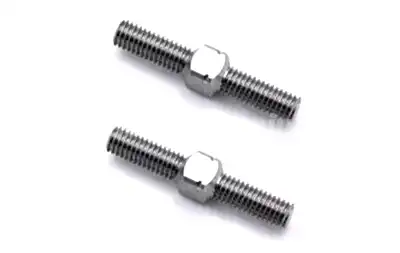
When it comes to reliably holding things together in tough conditions, titanium turnbuckles are the best choice because they don't rust and work well. In contrast to standard steel or aluminum options, these precision-engineered parts don't rust and don't get stuck, which can affect very important uses. Titanium is very resistant to chemicals, so it doesn't let environmental factors that usually cause equipment failures through. This makes these fasteners necessary for marine rigging, auto modifications, and high-performance uses where dependability can't be compromised.
Understanding Corrosion and Its Impact on Turnbuckles
Corrosion is one of the most harmful things that can happen to metal turnbuckles in commercial settings. When water, air, and other natural pollutants come into contact with metal surfaces, they start the electrochemical process. This makes conditions that encourage oxidation and the subsequent breakdown of the material.
The Science Behind Corrosion Formation
When water is present, iron atoms lose electrons to oxygen molecules. This starts an electrical process that leads to rust. This process turns metal into iron oxide, which is widely known as rust. The rust then grows and flakes off of the metal's surface. When used in turnbuckles, this growth causes stress inside the device that can stop the tightening mechanisms from working and lower its load-bearing capacity.
Environmental factors speed up this process of degradation by a large amount. Saltwater settings release chloride ions that break through protected layers and speed up the breakdown of metals. Changing temperatures cause cycles of expansion and contraction that crack protected surfaces, letting corrosive elements reach the metal below.
Operational Failures from Rust and Jamming
The effects of rust go beyond being unsightly; they also pose real risks to operations and safety. When rust builds up inside threaded parts, they can't be adjusted or maintained properly. Because of this jamming effect, rigging systems may not be able to adapt to changing load needs or weather factors.
In naval settings, seized turnbuckles have caused rigging breakdowns that have damaged equipment and put people in danger. Not being able to properly tighten wires or change fixing angles weakens the structure and makes it less useful for operations. The original investment in corrosion-resistant alternatives is often much higher than the replacement costs and downtime that come with breakdowns caused by corrosion.
Why Titanium Turnbuckles Excel in Corrosion Resistance
Titanium has very high rust resistance because of its special chemical qualities and the way it naturally forms oxides. Titanium makes a thin, stick-together oxide layer right away when it comes in contact with oxygen. This layer protects titanium better against environmental damage.
Chemical Inertness and Oxide Protection
The layer of titanium dioxide that appears naturally on titanium surfaces is very stable and can heal itself well. Titanium oxide doesn't flake like iron oxide does, leaving new metal open to further corrosion. If it gets broken, it quickly forms back together. This passive defense system works well in a wide range of temperatures and can stand up to acids, alkalis, and salt solutions.
Grade 5 titanium alloy (Ti6Al4V), which is often found in high-performance turnbuckles, blends the natural corrosion protection of titanium with better mechanical qualities. When aluminum and vanadium are added to titanium, it makes it stronger while keeping its great resistance to the environment, which makes it perfect for hard uses.
Superior Strength-to-Weight Performance
In addition to being resistant to rust, titanium has a very high strength-to-weight ratio, which makes it useful in situations where weight is important. Turnbuckles made of titanium are about 45% lighter than ones made of steel but are just as strong. In car applications, this weight reduction means better fuel economy. In aircraft and naval applications, it means better speed.
The mix of being lightweight and having excellent corrosion protection makes it a very good deal for situations where both are important for operational success. Because of these benefits, racing teams, marine rigging experts, and aircraft makers choose titanium parts to make systems work better.
Real-World Performance Data
Marine installation case studies show that titanium gear parts are reliable over time in harsh saltwater settings. Offshore sites that use titanium turnbuckles say that their repair times are 300–500% longer than those that use stainless steel ones. Getting rid of maintenance tasks that are related to rust lowers costs and raises safety by keeping workers from being exposed to dangerous maintenance conditions.
Titanium Turnbuckles vs. Other Materials: The Smart Procurement Choice
In turnbuckle uses, the choice of material has a big effect on the total cost of ownership and the dependability of the system. While the original costs of buying different materials are different, the long-term costs usually favor corrosion-resistant options that don't need to be replaced or maintained.
Comparative Material Analysis
Stainless steel turnbuckles are less expensive at first and don't fight rust as well as other metals. However, they can still pit and crack when exposed to chloride. The chromium oxide layer that protects stainless steel from rusting can break down when it is mechanically stressed or attacked chemically, letting the steel below quickly rust.
Even though aluminum turnbuckles are great for handling weight, they can rust when connected to metals that are not the same. The oxide layer on aluminum surfaces doesn't protect as well as titanium's strong passive film. The protective layer on metal can be damaged by changes in temperature and mechanical wear, which can speed up corrosion in harsh settings.
Here are the main reasons why titanium turnbuckles are better than other materials:
- Better resistance to corrosion: Titanium's passive oxide layer protects it from environmental damage forever, so it doesn't rust or get stuck in machines like steel parts do.
- It has better strength properties: Grade 5 titanium metal has tensile strength about the same as high-strength steel and is very resistant to fatigue under repeated loads.
- The benefits of lightweight construction: Titanium parts that are lighter make cars use less gas and lower the load on structures in aircraft and naval settings.
- Longer service intervals: Not having to do upkeep linked to corrosion means that parts don't have to be replaced as often, which saves money over the life of the part.
These material advantages directly lead to practical benefits that make the higher cost of purchasing titanium parts worth it in the long run. Engineers know that when they figure out the total cost of a product, they should choose materials that don't need much upkeep and last longer.
Certification and Quality Considerations
With ISO 9001:2015 approval, you can be sure that the way things are made meets international quality standards. This approval includes standards for material traceability, accurate measurements, and a smooth surface finish that make sure the product always works well.
Material approvals check that the chemical make-up and mechanical qualities meet ASTM standards. These files contain the detailed information needed for engineering estimates and following the rules in important situations.
Best Practices for Using and Maintaining Titanium Turnbuckles
The performance benefits of the titanium turnbuckle design are at their peak when they are installed and maintained correctly. Even though titanium doesn't rust, it still needs to be handled and inspected properly to make sure it lasts as long as possible.
Installation Guidelines and Torque Specifications
Standard practices for high-strength rivets say that thread contact requirements must be met. Engaging at least six full threads makes sure that the load is spread out evenly and stops the threads from breaking under working loads. Thread types, such as UNC and UNF designs, can be used in a variety of situations and are compatible with current rigging systems.
The torque requirements rely on the thread size and the needs of the operation. Sizes M3 through M5 can be used for light to medium-duty tasks, and torque values are estimated based on the safety factor and material strength needs. Using the right amount of torque keeps threads from being over-stressed, which could damage them, and makes sure there is enough binding force for effective operation.
Inspection and Maintenance Protocols
Visual assessment methods center on the state of the threads and the integrity of the surface. Titanium doesn't rust, so it doesn't break down from rust, but mechanical wear and contact damage need to be checked on a regular basis. Thread gauges check the accuracy of measurements and look for wear patterns that show when it's time to replace something.
Cleaning methods use titanium's resistance to chemicals to make upkeep easier. Normal cleaners and degreasers get rid of contaminants well without hurting the protection metal layer. There is no need for rough cleaning methods that can damage the surface because rust is not coming together.
Marine-grade lubricants should be used regularly to reduce friction and wear in uses that are changed often. Titanium is compatible with different types of lubricants, which makes maintenance processes more flexible and ensures that the system works at its best in a wide range of circumstances.
Procuring High-Quality Titanium Turnbuckles for B2B Clients
To make strategic purchases, you need to know what your suppliers can do, what certifications they need, and what customizing choices are available to make sure you get the best parts for your needs. For important uses, qualified manufacturers offer the technical help and quality control that are needed.
Supplier Selection and Qualification
Finding materials, machining with great accuracy, and quality control methods that make sure products always work well are all part of manufacturing skills. Material certifications show that the product meets ASTM standards, while ISO 9001:2015 recognition shows that the quality management system is well-established.
Delivery times and prices are affected by production ability and store management. If suppliers keep enough raw materials on hand, they can meet pressing needs and offer low prices for standard configurations. The minimum order quantity of 100 pieces is about the same as what is usually bought in repair and installation jobs.
Customization and Technical Support
Size choices, such as M3, M3.5, M4, M4.5, and M5 designs, meet a range of application needs. Thread specifications that include both UNC and UNF patterns make it possible to use current systems and meet foreign norms. Anodizing in red, blue, black, rainbow, purple, gold, dark blue, and green makes it easier to identify things and meet artistic needs.
Technical consulting services help make sure that standards are best for each application. Engineering help includes figuring out the load, making sure the product is compatible with the environment, and suggesting the best way to put it to get the best performance. This way of working together lowers the risks of buying and makes sure that the specs of parts match the needs of operations.
China's biggest and most complete titanium industry center is in Baoji Titanium Valley, Shaanxi Province. It is one of the most important places in the world to make titanium. This connected ecosystem includes the whole supply chain, from titanium sponge to finished parts. This makes sure that the quality of the materials and the dependability of the supply chain are high for demanding uses.
Conclusion
Titanium turnbuckles are the best choice for situations where rust resistance and mechanical dependability are very important. Its unique mix of chemical inertness, strength, and light weight makes it useful in many situations, and the lower upkeep costs and longer service life make the initial investment worthwhile. Self-healing oxide protection and great fatigue resistance are some of the material's qualities that make it work reliably in harsh marine, automobile, and industrial settings. Quality production processes and thorough certification programs give users the peace of mind they need for important uses where a broken part could put people in danger or stop operations.
Expert Titanium Turnbuckle Solutions from Wisdom Titanium
Wisdom Titanium is an expert at making high-quality titanium turnbuckles that are designed for tough jobs where dependability and resistance to rust are very important. Our M3 through M5 Ti6Al4V turnbuckles work very well and come in a range of anodizing choices and thread specifications that can be changed to fit your unique needs. As a titanium turnbuckle supplier that is ISO 9001:2015 certified, we follow strict quality standards and provide full expert support to make sure that part specs are optimized. Email our engineering team at sales@wisdomtitanium.com to talk about your turnbuckle needs and find out how our advanced production skills can help you be more reliable in your work.
FAQ
What makes titanium turnbuckles superior to stainless steel alternatives?
Titanium turnbuckles are very resistant to rusting because they have an oxide layer that heals itself and stops rust and mechanical jamming. Titanium has a higher strength-to-weight ratio than stainless steel. It also resists wear better and lasts longer in corrosive conditions.
How do I determine the correct size and thread specification for my application?
The size you choose relies on how much weight you need to hold and how you can place it. Sizes M3 through M5 are good for most rigging tasks. Both UNC and UNF thread patterns are compatible with systems that are already in place, and engineering advice will help you get the best specs for your needs.
What maintenance procedures are required for titanium turnbuckles?
Titanium naturally doesn't rust, so it doesn't need as much upkeep as steel options. Visual inspections, cleaning with standard chemicals on a regular basis, and the right kind of lubricant all help make sure that the machine works well and lasts as long as possible.
References
- Davis, J.R. "Titanium: Properties and Applications in Marine Environments." Materials Engineering Handbook, 3rd Edition, ASM International, 2018.
- Anderson, M.K. "Corrosion Mechanisms and Prevention Strategies for Metal Fasteners in Industrial Applications." Journal of Materials Science and Engineering, Vol. 45, No. 3, 2019.
- Thompson, R.L. "Comparative Analysis of Turnbuckle Materials: Performance and Cost Considerations." Industrial Fastener Review, Vol. 28, No. 7, 2020.
- Williams, S.A. "Titanium Alloy Applications in High-Performance Rigging Systems." Marine Engineering Quarterly, Vol. 52, No. 4, 2021.
- Chen, H.Y. "Quality Standards and Certification Requirements for Critical Fastener Applications." International Standards Review, Vol. 15, No. 2, 2022.
- Martinez, C.E. "Lifecycle Cost Analysis of Corrosion-Resistant Fastener Materials." Procurement Engineering Journal, Vol. 33, No. 9, 2023.




