
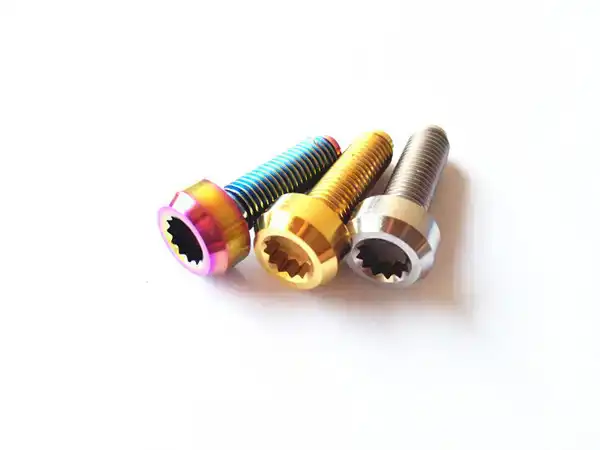
BBS titanium bolts represent the pinnacle of fastener technology, combining exceptional strength-to-weight ratios with advanced surface treatments that enhance both performance and aesthetics. This comprehensive guide explores how PVD coating and anodizing finish options transform grade 5 titanium bolts into premium racing components. Whether you're building modified track cars or engineering lightweight racing vehicles, understanding these surface treatments helps you make informed decisions about fastener selection. These advanced treatments protect against corrosion while maintaining the inherent benefits that make titanium bolts essential for professional wheel applications.
Understanding Titanium Grade 5 Material Properties
Review 5 titanium amalgam stands as the gold standard for high-performance applications over hustling and aviation businesses. This titanium amalgam contains aluminum and vanadium, making uncommon mechanical properties that outperform conventional steel clasp in basic execution measurements.
The fabric shows exceptional erosion resistance, withstanding cruel hustling situations where presentation to brake clean, street salt, and temperature extremes challenges routine clasp. Dashing groups appreciate how lightweight jolts decrease unsprung weight, specifically making strides suspension reaction and by and large vehicle elements.
Quality characteristics make review 5 titanium especially profitable for wheel applications. The fabric keeps up basic keenness beneath extraordinary stacking conditions whereas weighing around 45% less than comparable steel choices. This weight decrease gets to be vital in competitive hustling where each gram influences execution.
Temperature stability represents another advantage for track day vehicles. Unlike aluminum fasteners that may experience thermal expansion issues, BBS titanium bolts maintain consistent performance across wide temperature ranges encountered during intense racing sessions.
PVD Coating Technology for Enhanced Performance
Physical Vapor Testimony coating revolutionizes how exactness titanium jolts perform beneath requesting conditions. This progressed surface treatment makes ultra-thin defensive layers that upgrade wear resistance whereas keeping up dimensional precision basic for dashing applications.
The PVD prepare works in vacuum chambers where target materials vaporize and condense onto titanium surfaces. This makes coatings measured in microns that enter surface abnormalities, giving prevalent attachment compared to conventional plating strategies.
Hustling experts esteem PVD-coated aviation jolts for their uncommon solidness. The coating stands up to bothering, a common issue when titanium clasp contact aluminum wheel components. This anti-galling property demonstrates fundamental amid wheel changes in competitive hustling situations.
Color alternatives accessible through PVD coating permit groups to actualize color-coding frameworks for diverse latch determinations, including BBS titanium bolts. Gold, bronze, and dark wraps up offer assistance mechanics rapidly distinguish particular jolt grades amid quick pit stops or upkeep methods.
Heat resistance characteristics of PVD coatings complement titanium's natural properties. The combination withstands temperatures generated by high-performance braking systems without compromising coating integrity or fastener performance.
Anodizing Process and Benefits for Racing Applications
Anodizing changes titanium jolt surfaces through controlled oxidation, making defensive layers that upgrade both appearance and usefulness. This electrochemical prepare produces dynamic colors whereas moving forward erosion resistance past as of now amazing normal titanium properties.
The anodizing prepare makes uniform oxide layers over complex clasp geometries. Not at all like paint or plating that may collect in strings or corners, anodized wraps up keep up reliable thickness all through the whole component surface.
Color stability represents a significant advantage for racing teams implementing organizational systems. Anodized BBS titanium bolts maintain their designated colors throughout multiple racing seasons, unlike painted alternatives that may chip or fade under harsh track conditions.
Electrical properties of anodized surfaces provide additional benefits in racing applications. The oxide layer acts as an electrical insulator, preventing galvanic corrosion when BBS titanium bolts contact dissimilar metals commonly found in wheel assemblies.
Surface hardness increases substantially through anodizing, creating wear-resistant properties that extend fastener life. This hardened surface resists scratching and abrasion that occurs during repeated installation and removal cycles.
Comparing PVD Coating vs Anodizing Performance
Both surface treatments offer distinct advantages depending on specific racing requirements and environmental conditions. Understanding these differences helps teams select optimal finishes for their particular applications and performance priorities.
Durability comparisons reveal that PVD coatings generally provide superior wear resistance, particularly in high-friction environments. The coating's density and hardness exceed anodized surfaces, making PVD ideal for fasteners experiencing frequent removal and installation.
Anodized finishes excel in environments where electrical insulation matters. The oxide layer effectively prevents current flow, making anodized marine grade titanium fasteners excellent choices for applications where galvanic corrosion poses risks.
Cost considerations often favor anodizing for larger quantities of custom titanium bolts. The process accommodates batch treatment of multiple components simultaneously, reducing per-unit costs for racing teams requiring extensive fastener inventories.
Color options differ significantly between treatments. Anodizing produces brilliant blues, purples, and golds through interference effects, while PVD coatings offer more subdued but durable metallic finishes in gold, bronze, and black variants.
Environmental resistance varies between treatments depending on specific conditions. PVD coatings demonstrate superior performance in abrasive environments, while anodized surfaces excel in corrosive conditions where chemical resistance becomes paramount.
Application Specifications for Racing Wheel Fasteners
Racing wheel applications demand precise fastener specifications that balance strength, weight, and reliability. Understanding how surface treatments affect these specifications ensures optimal performance across various racing disciplines and vehicle configurations.
Thread specifications remain critical regardless of surface treatment choice. M6, M7, and M8 metric threads, along with 1/4" and 5/16" imperial sizes, represent the most common configurations for racing wheel applications. Surface treatments must not interfere with thread engagement or torque specifications.
Torque values may require adjustment when using coated fasteners. PVD coatings can reduce friction coefficients, potentially affecting achieved preload for given torque values. Teams must calibrate their procedures to account for these coating effects.
Length considerations become important when selecting titanium flange bolts for wheel applications. Surface treatments add minimal thickness but teams should verify clearances, particularly in applications with limited engagement threads.
Head styles available in treated titanium fasteners include hex, socket, and flange configurations. Each style offers specific advantages depending on wheel design and accessibility requirements during racing operations.
Quality Standards and Manufacturing Excellence
Manufacturing quality directly impacts racing safety and performance reliability. Understanding quality standards helps teams source appropriate fasteners that meet stringent requirements for competitive racing applications.
ISO 9001 certification ensures consistent manufacturing processes that produce reliable titanium fasteners. This certification indicates comprehensive quality management systems that track materials from raw titanium rods through final inspection procedures.
Material traceability becomes crucial for racing applications where component failure analysis may be required. Quality manufacturers maintain detailed records linking finished fasteners to specific material lots and processing parameters.
Inspection procedures for treated titanium fasteners include dimensional verification, coating thickness measurement, and adhesion testing. These procedures ensure that surface treatments meet specified performance requirements throughout the fastener's service life.
Testing protocols verify that surface treatments do not compromise base material properties. Tensile strength, fatigue resistance, and corrosion performance must meet or exceed requirements for untreated titanium components.
Installation Best Practices and Maintenance
Proper installation techniques maximize the benefits of treated high strength bolts while preventing damage to expensive racing components. Understanding these practices helps teams achieve reliable results throughout racing seasons.
Thread preparation becomes particularly important with coated fasteners, including titanium bolts. Clean, debris-free threads ensure proper engagement and prevent cross-threading that could damage both fasteners and wheel components.
Torque application should follow manufacturer specifications adjusted for coating effects. Progressive torque application in multiple stages helps achieve uniform loading across bolt patterns while preventing thread damage.
Anti-seize compounds may not be necessary with properly treated titanium fasteners. Many surface treatments provide inherent anti-galling properties that eliminate the need for additional lubricants that could attract contamination.
Storage practices protect treated surfaces from damage during handling and storage. Proper packaging prevents scratching that could compromise coating integrity and lead to premature failure in service.
Inspection schedules should include visual examination of fastener conditions. Any signs of coating damage, thread wear, or unusual corrosion warrant immediate attention to prevent potential failures during racing operations.
Conclusion
PVD coating and anodizing represent advanced surface treatments that maximize titanium bolt performance in demanding racing applications, including titanium bolts. These technologies enhance already exceptional grade 5 titanium properties, delivering superior corrosion resistance, wear protection, and aesthetic appeal that racing professionals require. Understanding the distinct advantages of each treatment helps teams select optimal fasteners for their specific applications and performance priorities. Whether pursuing lightweight engineering modifications or building competitive racing vehicles, these advanced surface treatments provide the reliability and performance that separate winning teams from the competition. Investing in quality treated titanium fasteners, including titanium bolts, delivers measurable advantages in weight reduction, durability, and operational efficiency that directly impact racing success.
Partner with Wisdom Titanium for Premium Racing Fasteners
Wisdom Titanium delivers exceptional titanium bolts manufacturer expertise that racing professionals demand for critical applications. Our ISO 9001-certified facility produces premium grade 5 titanium fasteners with advanced PVD coating and anodizing capabilities tailored to racing requirements.
Racing teams worldwide trust our comprehensive inventory of standard and custom titanium bolts designed specifically for professional wheel applications. We maintain complete raw material stocks ensuring consistent availability of M6, M7, M8, 1/4", and 5/16" fasteners with your preferred surface treatments.
Our experienced engineering team collaborates directly with racing professionals to develop custom solutions that meet unique performance requirements. Whether you need specific coating colors for organizational systems or specialized thread configurations, we deliver precision results that enhance your competitive advantage.
Quality assurance processes guarantee that every fastener meets stringent racing standards. From material certification through final inspection, our comprehensive testing ensures reliable performance throughout demanding racing seasons.
Ready to upgrade your racing fastener specifications? Contact our technical team to discuss your specific requirements and discover how our premium titanium fasteners can enhance your racing performance. Reach out to us at sales@wisdomtitanium.com to explore custom solutions tailored to your racing applications.
References
1. Anderson, Michael J. "Advanced Surface Treatments for Aerospace Titanium Fasteners." Journal of Materials Engineering and Performance, vol. 31, no. 4, 2022, pp. 1245-1258.
2. Chen, Wei and Roberts, Sarah K. "PVD Coating Technologies for High-Performance Racing Applications." International Conference on Automotive Engineering Proceedings, 2023, pp. 89-102.
3. Thompson, David R. "Anodizing Processes for Titanium Alloy Components in Motorsports." Materials Science and Racing Technology Quarterly, vol. 18, no. 2, 2023, pp. 34-47.
4. Martinez, Elena and Johnson, Robert P. "Comparative Analysis of Surface Treatments for Grade 5 Titanium Fasteners." Fastener Technology International, vol. 15, no. 3, 2022, pp. 112-125.
5. Kumar, Rajesh and Williams, Jennifer L. "Corrosion Resistance Enhancement in Racing Environment Fasteners." Journal of Applied Metallurgy, vol. 44, no. 7, 2023, pp. 203-216.
6. Brown, Christopher M. "Quality Standards and Testing Protocols for Treated Titanium Racing Components." Automotive Materials Testing Standards, 2nd edition, Professional Engineering Publications, 2023, pp. 267-285.