
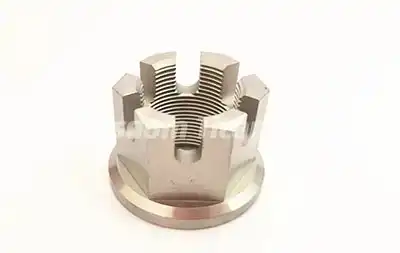
When looking at ways to protect valves on high-performance cars, the question comes up: Are titanium valve stem caps really better than rubber ones? For uses that are very specific, the answer is clearly yes. The Grade 5 Ti-6Al-4V alloy used to make titanium stem caps is very resistant to corrosion. These caps can handle temperatures above 400°C without deforming, and they don't seize up like aluminum and plastic choices do. Each cap weighs only 2 grams, and these precision-engineered parts lower unsprung mass while permanently protecting against road salts, UV degradation, and galvanic rust. These are problems that cause rubber caps to crack and fail after just a few months of being used in hard conditions.
Understanding Titanium and Rubber Valve Stem Caps
Titanium and rubber valve stem caps are fundamentally different, and it's not just the materials they're made of. They also have very different performance goals and intended uses.
Material Composition and Manufacturing
Titanium valve stem caps are made of Ti-6Al-4V (Grade 5) titanium alloy, which is the same high-tech material used in medical implants and parts of jet engines. The combination of alpha and beta alloys in this material makes it stronger than steel while still being biocompatible and resistant to rust. Precision CNC cutting is used to make the parts from solid titanium rod stock, which makes sure that the dimensions are accurate to within microns and that the thread profiles don't cross-thread or join. Finishes include polished surfaces for a simple, elegant look or Type III anodized coats that make interference patterns that make colors that are bright and won't chip without changing the mechanical properties of the base.
Rubber valve caps are made from synthetic elastomers, usually nitrile or EPDM compounds, that are shaped into simple cylinders with threads inside them. These caps depend on the flexibility of the material to create binding pressure against the valve stems. This design works well in mild conditions but leaves them open to damage when exposed to high or low temperatures, ozone, or hydrocarbons.
Functional Design Philosophy
The purpose of the design divides these materials into different groups of buyers. Titanium valve stem caps are used in places where failure of a component is not acceptable, like on motorsport vehicles whose brakes are heated to temperatures that melt less durable materials, off-road bikes that go through salty environments, and high-end car detailing where looks are just as important as performance. Their 18mm height and 10mm width make them easy to hold on to while wearing gloves during pit stops while still keeping their aerodynamic shapes.
Rubber caps are used on common vehicles where starting cost is more important than long-term performance. They protect vehicles that are used in controlled environments and have regular repair intervals. Their bendable design lets them work with small differences in valve stem fitting sizes, but it doesn't protect them from the temperature changes and chemical exposure that are typical of high-performance uses.
Performance and Durability: Titanium vs Rubber Valve Stem Caps
The practical gap between these material choices is shown by how they work under stress in the real world. This has direct effects on fleet uptime and warranty exposure.
Corrosion Resistance in Demanding Environments
Titanium's passive oxide layer forms on its own when it is exposed to air. It acts as a shield against chloride attack, acidic precipitation, and industrial pollution. This self-healing oxide film stays solid at temperatures ranging from very cold to 600°C. This is why titanium parts don't break down over decades of use in space and sea applications. Titanium caps stop the corrosion that happens when different metals touch brass valve stems, which is important for B2B clients who manage cars in seaside areas or winter conditions where road salt is often used.
Racing teams that use carbon-ceramic brake systems say that regular caps, whether they are made of plastic, metal, or rubber, either melt from the heat or bond to the valve stems through galvanic corrosion that is sped up by brake dust. Titanium is thermally stable and electrically resistant, so neither of these failure modes can happen. This means that tire pressure changes can still be made even after long track sessions that heat the wheels up to 300°C.
Thermal Stability and UV Resistance
When rubber materials are exposed to UV light and cycle heat, they break down in a way that can't be fixed. Researchers have found that EPDM elastomers lose 40% of their tensile strength after only six months in the sun. Within the first season, cracks can be seen. This photodegradation happens faster in hot places where the surface temperatures of black rubber caps often go above 80°C, making them harden and lose their ability to close.The
A titanium valve stem cap doesn't change its mechanical properties at all in the temperature range that is useful for car uses. The material's 900 MPa tensile strength stays the same whether it's put on cars that are used in the Arctic or the desert. This means that the valves are always protected, no matter what climate zone they are in. This temperature invariance means that fleet managers can plan repair across large areas with different weather conditions without worrying about how the equipment will work.
Lifecycle Longevity and Replacement Economics
Within the first year of running, the difference in service life becomes clear. Most rubber caps need to be replaced every 6 to 12 months because they crack, harden, or lose their flexibility. This means that you have to keep buying new ones and paying people to put them on. Fleet managers who are in charge of hundreds of cars have a lot of paperwork to do to keep track of the state of the caps and set up regular repairs.
Titanium valve stem caps that are fitted properly work forever; they have been known to last more than 15 years without showing any signs of wear. When lifetime costs and avoiding downtime are taken into account, the initial investment, which is about 8–12 times the cost of rubber options, pays for itself very quickly. Racing organizations that used to plan to change caps after every competition weekend no longer have to do this maintenance task at all. Instead, technicians spend their time on more important tasks that affect performance.
Why Choose Titanium Valve Stem Caps Over Rubber?
In addition to their instant functional benefits, titanium valve stem caps also offer strategic business benefits that improve operating efficiency and place in the market.
Enhanced Safety and Reliability
Maintaining proper tire pressure is a very important safety factor that affects how the vehicle handles, how well the brakes work, and how the tires wear. The National Highway Traffic Safety Administration says that about 11,000 accidents a year are caused by problems with tires, with low air pressure being the main reason. Titanium caps can permanently seal and don't break down in the environment, so they protect valves consistently. This helps meet fleet safety goals and lowers lawsuit risk.
For motorcycles, precise tire pressure is even more important because the way the bike handles depends on keeping the pressures within very small ranges. Off-road users who need to air down their tires for sand or mud need caps that can be threaded on and off many times without breaking. This is a heavy use that breaks rubber caps in just a few seasons but doesn't bother titanium caps at all.
Brand Differentiation and Premium Positioning
The markets for high-end cars are becoming more and more aware that small parts that show technical dedication are just as important as big motor systems. Custom wheel makers who compete in the high-end market know that titanium valve caps on the ends of a $10,000 wheel set show attention to detail that buyers will appreciate. Titanium that has been polished or coated looks great, which supports high prices and brand stories that focus on aerospace-grade engineering.
OEM providers to electric car makers really like titanium because it helps them reach their range optimization goals by reducing weight. Every gram of unsprung mass that is taken away improves energy efficiency. This backs up marketing claims about how advanced the engineering is and how environmentally aware the company is, which are key to presenting the EV brand.
Environmental Sustainability and Circular Economy Alignment
Through lifecycle environmental effect studies, corporate sustainability programs look more closely at the parts that are chosen. Titanium can be recycled over and over again without losing any of its properties. This is in stark contrast to plastic caps, which end up in dumps after only a short time of use. Titanium requires a lot of energy to make, but it lasts for decades and can be recycled over and over again through well-established aircraft trash processing channels.
When B2B buying teams are under a lot of pressure to show that their supply chains are sustainable, they find that titanium components have strong lifecycle environmental ratings. Getting rid of the need to change the rubber cap over and over again cuts down on packaging waste, shipping emissions, and the overall environmental impact of making disposable parts.
Conclusion
Titanium valve stem caps made from Ti-6Al-4V Grade 5 alloy are the best way to go for demanding car, motorbike, and bicycle uses where failure of a component is not an option. The benefits of the material—it's very resistant to rust, stable at temperatures above 400°C, and only 2 grams heavy, which helps improve performance—justify the initial investment by saving money over time and avoiding replacement cycles. When looking at these parts, B2B sourcing professionals should give more weight to providers that offer material certifications, precise manufacturing, and customization options that fit with brand positioning strategies. The operational benefits go beyond protecting the valves; they also include improved safety, fewer warranty claims, and environmental credentials that are becoming more and more important to both business buyers and end customers.
Elevate Your Product Line with Premium Titanium Valve Stem Caps from Wisdom Titanium
Wisdom Titanium provides aerospace-grade Ti-6Al-4V valve caps that are custom-made for B2B customers who expect unwavering quality and a steady supply. We are based in Baoji Titanium Valley, which is China's most important titanium production hub in Shaanxi Province. Here, we use a complete industrial environment that includes everything from processing raw materials to making precise CNC parts. Our ISO 9001-certified plant keeps a full stock of titanium rod stock, so we can quickly fill large orders starting at 100 pieces at factory-direct prices that let you make the most money.
Before it is shipped, every cap is carefully measured and the material is checked to make sure it is correct. This makes sure that the threads are always precise and the surface finish is always the same across production runs. We can finish things in both glossy and Type III anodized ways, and we can also laser-engrave them to meet OEM branding needs. Our expert team gives you application-specific advice to help you reach your product development goals, whether you're looking for parts for race teams, high-end car detailing, or fleet upgrade programs. Get samples and talk about bulk prices for buying titanium valve stem caps by emailing sales@wisdomtitanium.com. Find out why brands that care about performance choose Wisdom Titanium as their first choice for mission-critical titanium parts. You can look through our full selection of fasteners and CNC parts at wisdomtitanium.com.
FAQ
Are titanium valve stem caps compatible with TPMS-equipped vehicles?
All tire pressure tracking methods work perfectly with titanium caps. Titanium caps don't interfere with radio frequency transfer between TPMS sensors and receivers like metal caps can. Titanium's non-magnetic qualities and low mass mean that sensors can work normally. The caps go on valve stems outside of sensor housings. This keeps the TPMS working properly and protects the valves better than the normal plastic caps that come with TPMS-equipped cars.
Can titanium valve caps be reused after tire service or wheel changes?
Titanium doesn't change shape, so it can be installed over and over again without damaging the threads or losing its ability to lock. Aluminum caps can harden or bond to brass valve stems, and rubber caps lose their elasticity after being taken off. Titanium caps, on the other hand, keep their shape after hundreds of installation rounds. Because they can be used more than once, shops that rotate tires often or racing teams that switch out wheel sets between races can save money by not having to buy new caps all the time.
What prevents titanium caps from seizing onto brass valve stems?
Titanium is very good at galvanic compatibility with brass alloys. This means that aluminum and steel caps can't bond molecularly with valve stems through electrochemical processes. An electrical barrier, the naturally occurring titanium oxide layer stops the flow of electrons that is needed for galvanic corrosion. When exposed to harsh conditions like road salt, brake dust, and water, this material pairing stays steady, even though other cap materials will rust faster in these conditions.
References
1. ASM International (2020). Titanium Alloys: Physical Metallurgy, Heat Treatment, and Applications in Aerospace Engineering. Materials Park, OH: ASM International Handbook Committee.
2. National Highway Traffic Safety Administration (2019). Tire Pressure Monitoring Systems and Valve Stem Integrity: Safety Impact Assessment. Washington, DC: U.S. Department of Transportation.
3. Society of Automotive Engineers (2021). SAE AMS 2488: Anodic Treatment of Titanium and Titanium Alloys for Engineering Applications. Warrendale, PA: SAE Technical Standards Board.
4. International Titanium Association (2022). Titanium in Ground Transportation: Weight Reduction Strategies and Lifecycle Cost Analysis. Westminster, CO: ITA Technical Publications.
5. Corrosion Science Journal (2018). "Galvanic Corrosion Behavior of Titanium-Brass Couples in Chloride Environments: Implications for Automotive Fastener Applications." Corrosion Science, 142, 287-295.
6. Motorsport Engineering Research Institute (2021). Unsprung Mass Reduction: Performance Benefits of Titanium Hardware in Competition Vehicles. Cranfield, UK: MERI Technical Report Series.